Forget the daytime fashion shows-Milan comes alive after sunset
Most visitors think of Milan as a city of runways and luxury boutiques, but if you’re here after 9 p.m., you’ll find something totally different. The streets buzz with laughter, bass pulses through alleyways, and wine bars spill onto sidewalks where locals debate football and art until sunrise. This isn’t just a city that sleeps-it’s one that reinvents itself when the sun goes down.
Navigli: The Canal District That Never Quits
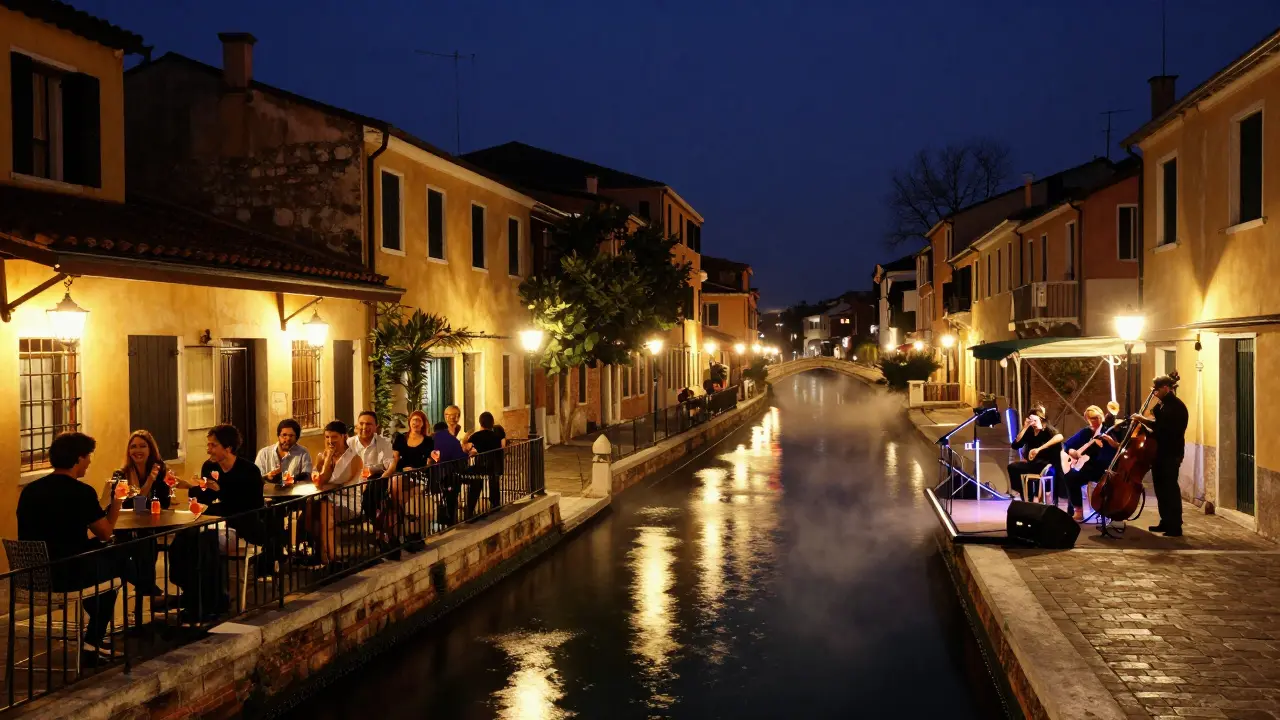
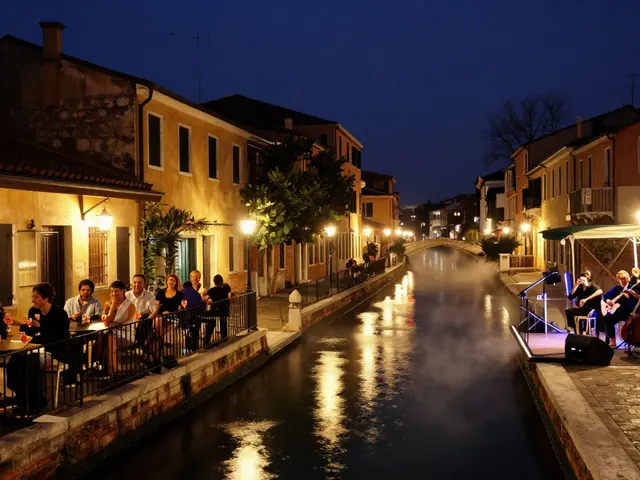
If you want to feel like you’ve stumbled into a Milanese version of Paris’s Left Bank, head to Navigli. The two canals-Naviglio Grande and Naviglio Pavese-are lined with lantern-lit terraces, live jazz bands, and craft beer taps that change weekly. Don’t expect club music here; this is where friends gather for aperitivo, a pre-dinner ritual that’s more about conversation than cocktails.
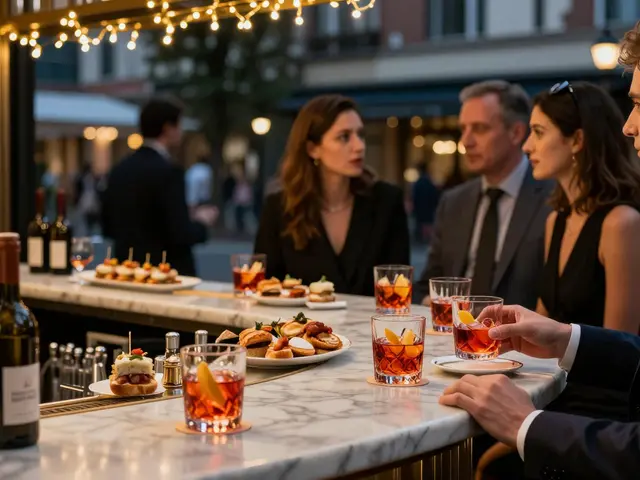
Start at Bar Basso, where the Negroni was invented in 1945. Order one with a side of crostini, then walk south along the water until you hit La Zanzara, a retro-chic bar with vinyl records spinning and a crowd that’s all ages. By midnight, the canals are packed with people holding Aperol spritzes, dancing barefoot on cobblestones, and laughing like they’ve got all night.
Brera: Where Art Meets After-Hours
Brera is Milan’s bohemian heart. Narrow streets, old bookshops, and hidden courtyards make it feel like a village inside the city. By 10 p.m., the area transforms. The galleries close, but the bars open wider.
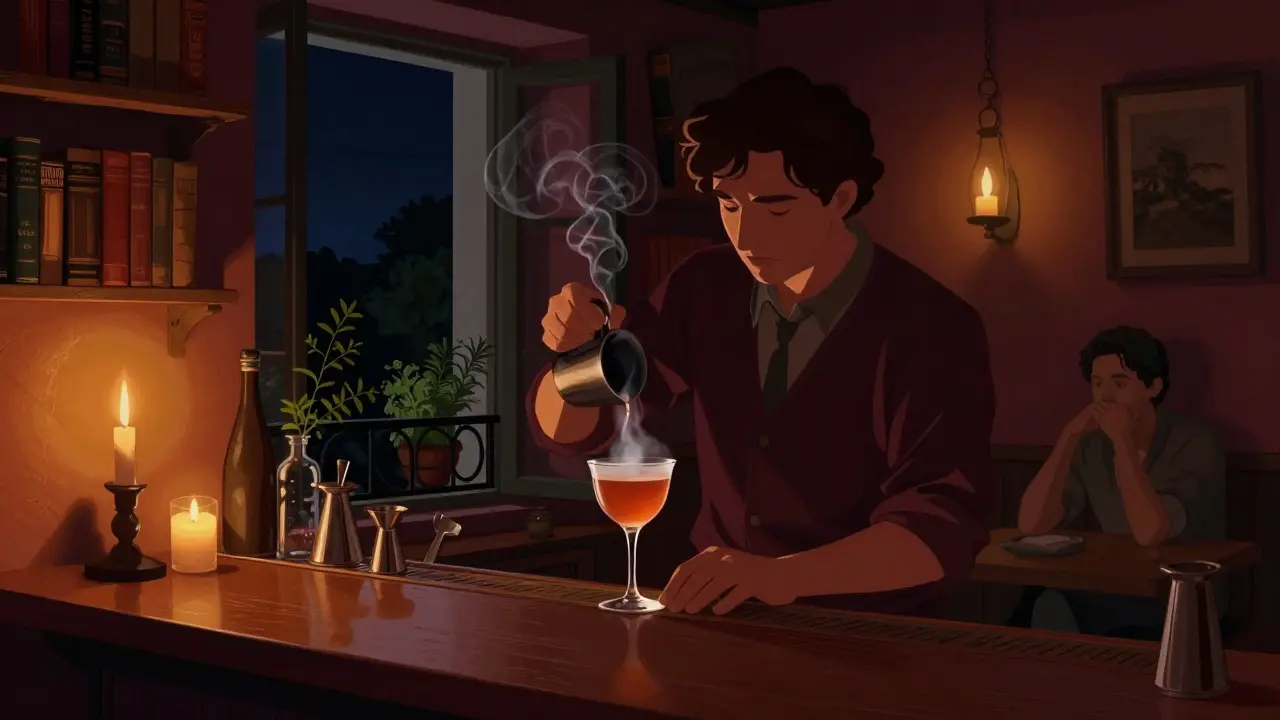
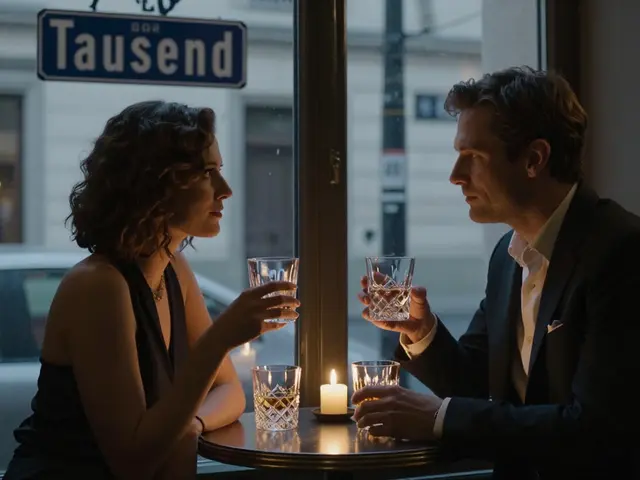
Bar Basso has a sibling here-Bar Basso Brera-but the real gem is Il Salumiere. It’s not a club, not a lounge. It’s a tiny, candlelit space where the bartender makes cocktails with herbs from his own balcony. He doesn’t have a menu. He asks what mood you’re in, then crafts something you’ve never tasted. Try the ‘Milk & Smoke’-a gin-based drink with smoked black tea and honey. It’s the kind of thing you remember for years.
Walk a few blocks to La Cucina di Brera, open until 3 a.m. It’s a no-frills trattoria where chefs serve handmade pasta and grilled meats to people still in their work clothes. No reservations. No tablecloths. Just great food and a vibe that says, ‘You’re welcome here.’
Porta Venezia: The Underground Scene
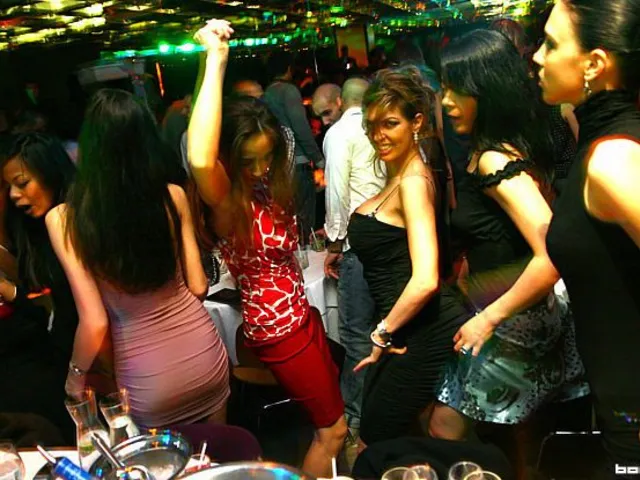
If you’re looking for something raw, loud, and totally unpolished, head to Porta Venezia. This neighborhood doesn’t care about your designer shoes. It’s where underground DJs, queer collectives, and experimental artists throw parties in warehouses and former factories.
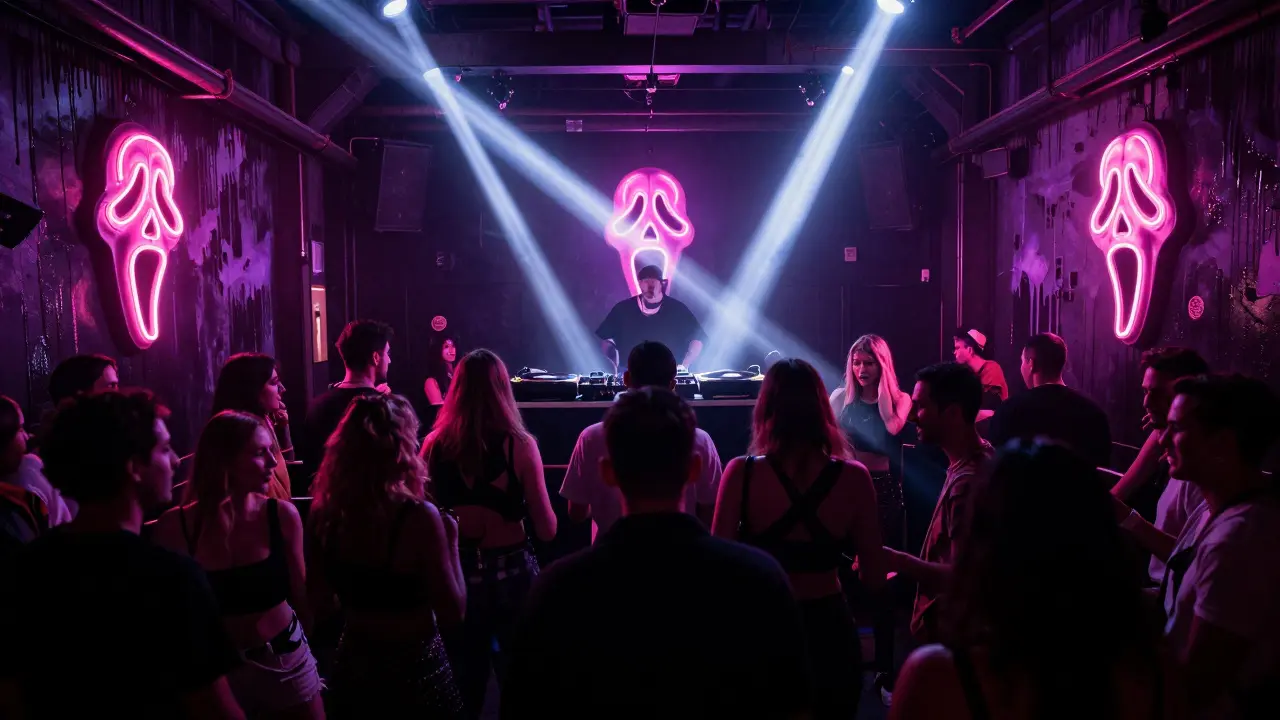
Teatro degli Orrori is a cult favorite. It’s not a theater. It’s not a club. It’s a space where performance art meets techno, and the crowd dances under neon lights shaped like screaming faces. Entry is €8, and the playlist changes every night-sometimes it’s industrial, sometimes it’s disco remixes of Italian opera.
Across the street, La Soffitta is a hidden bar above a vintage shop. You need to know the password. Text the owner on WhatsApp at 8 p.m. to get it. Inside, it’s dim, cozy, and smells like old books and incense. The bartender makes cocktails using Italian liqueurs you’ve never heard of. Ask for the ‘Bitter Almond Dream’-it’s made with amaretto, violet syrup, and a splash of lemon verbena.
Corso Como: The Glamour Spot
For those who want Milan’s nightlife with a side of celebrity sightings, Corso Como is your spot. This isn’t about dancing until dawn-it’s about being seen. The bar here is Corso Como 10, a sleek, minimalist lounge with velvet couches, curated art, and a sound system that plays rare vinyl from the ’70s and ’80s.
It’s not cheap. A cocktail costs €22. But you’re not just paying for the drink-you’re paying for the atmosphere. The crowd is a mix of Italian designers, international models, and art collectors. You won’t find a DJ spinning trap here. Instead, you’ll hear Nina Simone or a live pianist playing Morricone. It’s quiet. It’s elegant. And if you’re lucky, you might catch a surprise guest-like a former Prada designer dropping by for a glass of Prosecco.
San Siro and the Hidden Clubs
Most tourists skip San Siro, thinking it’s just a stadium. But after 11 p.m., the area wakes up. The clubs here are underground, no signs, no websites. You need a local to get in.
Club 33 is one of them. It’s tucked into a basement under a parking garage. The entrance is marked by a red door with no name. The music? Deep house with a heavy Italian touch. The crowd? Mostly locals in their 30s and 40s who’ve been coming here for 15 years. No VIP section. No bottle service. Just good beats and a vibe that feels like a secret you’re not supposed to share.
Another spot: La Grotta, a cave-style club under the old city walls. It’s humid, dark, and the walls drip with condensation. The DJ plays only Italian disco from the ’80s-think ‘Sapore di Sale’ and ‘Balla Balla’ remixes. You’ll dance until your feet hurt. And you’ll leave smiling.
What to Eat After Midnight
Milan doesn’t shut down when the clubs close. The city feeds its night owls. Here are the spots that stay open until 5 a.m.:
- Trattoria da Vittorio (near Porta Venezia): Open 24/7. Their risotto alla milanese is the best in the city, and they serve it with a side of garlic bread soaked in butter.
- Panetteria del Naviglio: A bakery that turns into a sandwich joint after midnight. Try the ‘Burrata & Fig’ on sourdough. It’s simple. It’s perfect.
- Bar Pasticceria Cova: Famous for its pastries, but at 2 a.m., they serve espresso with a shot of grappa. It’s the Italian way to end a night.
When to Go and What to Wear
Weekends are packed. If you want space, go on a Thursday or Friday. The real party starts at 11 p.m. and doesn’t peak until 2 a.m.
Dress code? It varies. In Navigli, jeans and a nice shirt are fine. In Corso Como, skip the sneakers. In Porta Venezia, the weirder, the better-think neon socks or a vintage blazer. No one cares what you wear as long as you’re having fun.
How to Get Around After Dark
Milan’s metro runs until 1:30 a.m. on weekends. After that, take a taxi. Uber isn’t reliable here-stick to official black cabs. You can hail them on the street or use the FreeNow app. A ride across town costs about €15. Avoid walking alone in industrial zones after midnight. Stick to the main arteries: Navigli, Brera, Corso Como, and Porta Venezia.
What Not to Do
- Don’t ask for a ‘mojito’ at a Milanese bar. They don’t make them the way you expect. Stick to Aperol, Negroni, or Spritz.
- Don’t try to force your way into a club without a reservation if it’s listed as ‘by invitation only.’ They’ll turn you away-and you’ll look like a tourist.
- Don’t assume all nightlife is loud. Some of the best spots are quiet, intimate, and require patience to find.
Final Tip: Talk to the Bartenders
The best nights in Milan aren’t planned. They’re discovered. Ask the bartender, ‘Where do you go when you’re off duty?’ Nine times out of ten, they’ll point you to a place you won’t find on Google Maps. That’s where the real magic happens.
Is Milan nightlife safe at night?
Yes, Milan’s main nightlife areas-Navigli, Brera, Porta Venezia, and Corso Como-are generally safe, especially on weekends. Stick to well-lit streets, avoid isolated alleys after 2 a.m., and use official taxis. Petty theft is rare, but always keep your bag zipped and your phone secure.
What’s the best night to visit Milan for nightlife?
Friday and Saturday nights are the busiest, with the most parties and live music. But if you want a more local, relaxed vibe, go on a Thursday. Many bars have special events-live jazz, vinyl nights, or themed aperitivo-without the crowds.
Do I need to make reservations for clubs in Milan?
For popular spots like Corso Como 10 or Teatro degli Orrori, yes. Book a table online or call ahead. For underground clubs like Club 33 or La Grotta, no reservations are needed-but you’ll need to arrive early. Lines form by 11:30 p.m.
How much should I budget for a night out in Milan?
A casual night with aperitivo and a drink costs €15-€25. If you’re hitting a few bars and a late dinner, plan for €50-€70. For upscale spots like Corso Como, expect €100+ if you’re ordering cocktails and snacks. Most places accept cards, but always carry some cash for small bars and underground clubs.
Are there any nightlife events or festivals in Milan?
Yes. Every February, the city hosts ‘Milano Notte,’ a one-night event where dozens of bars, galleries, and clubs stay open until sunrise with free entry and live performances. In summer, the Navigli district hosts open-air cinema nights and jazz festivals. Check local listings on Extralife or Milanese Events for updates.


Write a comment