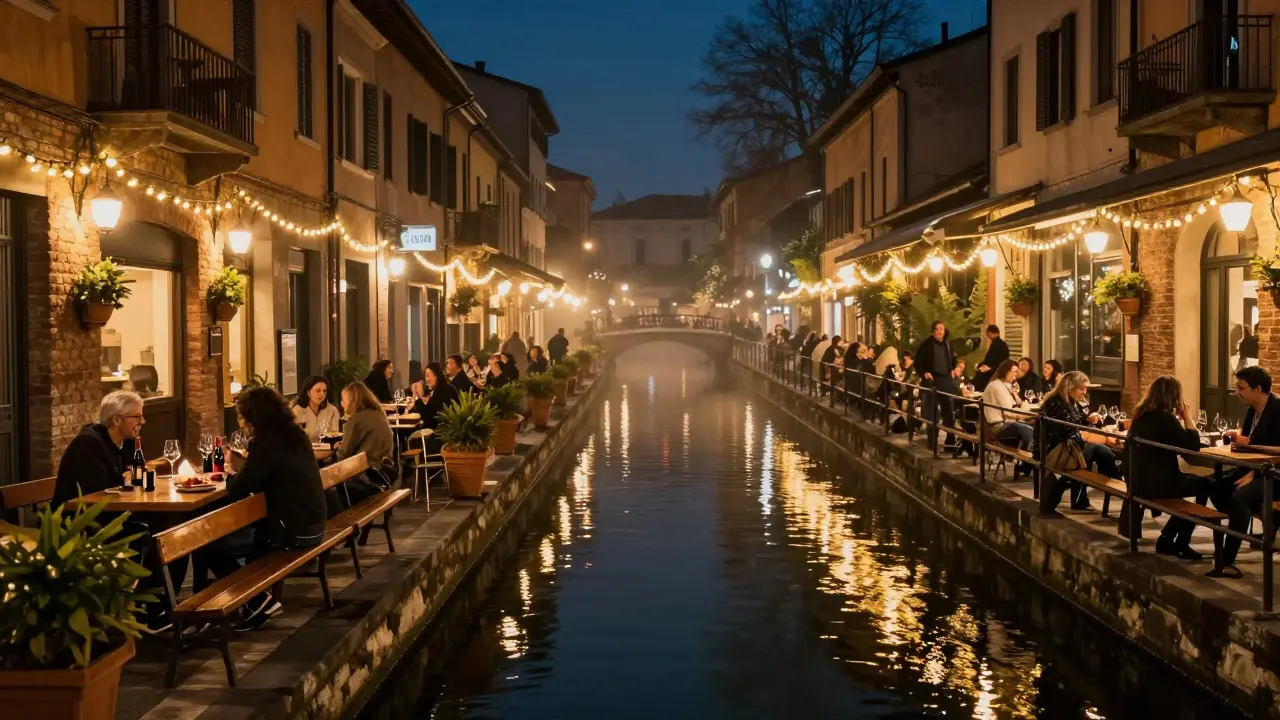
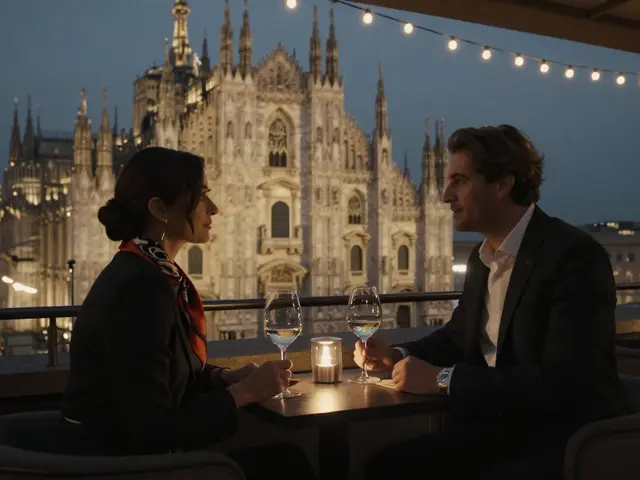
When the sun sets, Milan doesn’t sleep - it transforms.
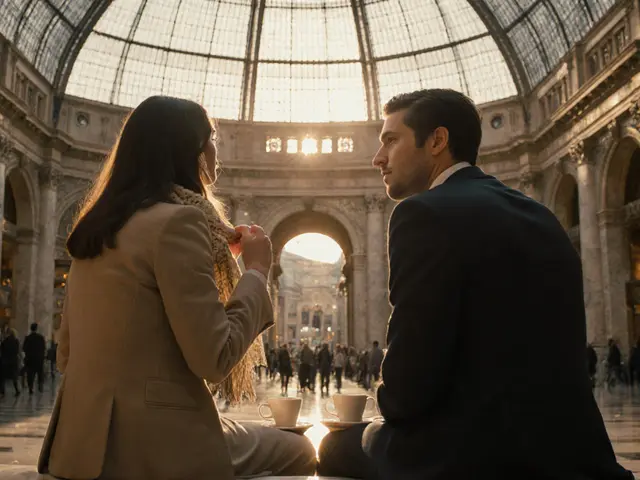
Most visitors think of Milan as a city of fashion shows and marble floors. But once the designer boutiques close and the lights dim in the Galleria, something else kicks in. The real Milan wakes up. It’s not just about drinking cocktails in a trendy spot - it’s about finding the hidden courtyards where locals sip Aperol, the basement jazz clubs that don’t appear on Google Maps, and the 3 a.m. pizzerias that serve slices so good you’ll forget you’re still in your heels.
Start in Navigli - where the canals become dance floors
Forget the crowded tourist traps near Duomo. If you want to feel like a local after dark, head to Navigli. The two canals - Naviglio Grande and Naviglio Pavese - come alive after 8 p.m. with string lights, open-air bars, and people lounging on wooden benches with wine in hand. This isn’t a club scene. It’s a slow, easy vibe where friends gather, music drifts from open windows, and the only rule is: no rush.
Try Bar Luce on Via Tortona. It’s unassuming from the outside, but inside, it’s all exposed brick, vintage posters, and cocktails made with local amaro. The bartender knows your name by the second round. Walk a few steps to La Bitta, where they pour over 100 types of Italian wine by the glass. Order a glass of Franciacorta - it’s the local sparkler, and it’s better than Prosecco.
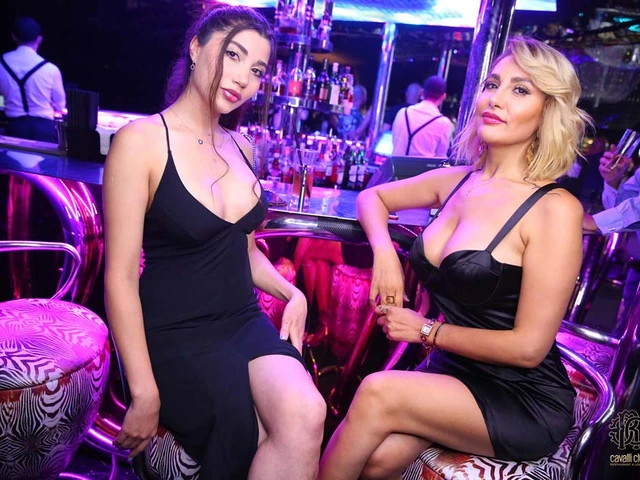
Find the clubs that locals actually go to
If you’re looking for beats, bass, and bodies, Milan has clubs that rival Berlin or Ibiza. But they’re not in the center. They’re tucked into old industrial buildings on the edge of the city.
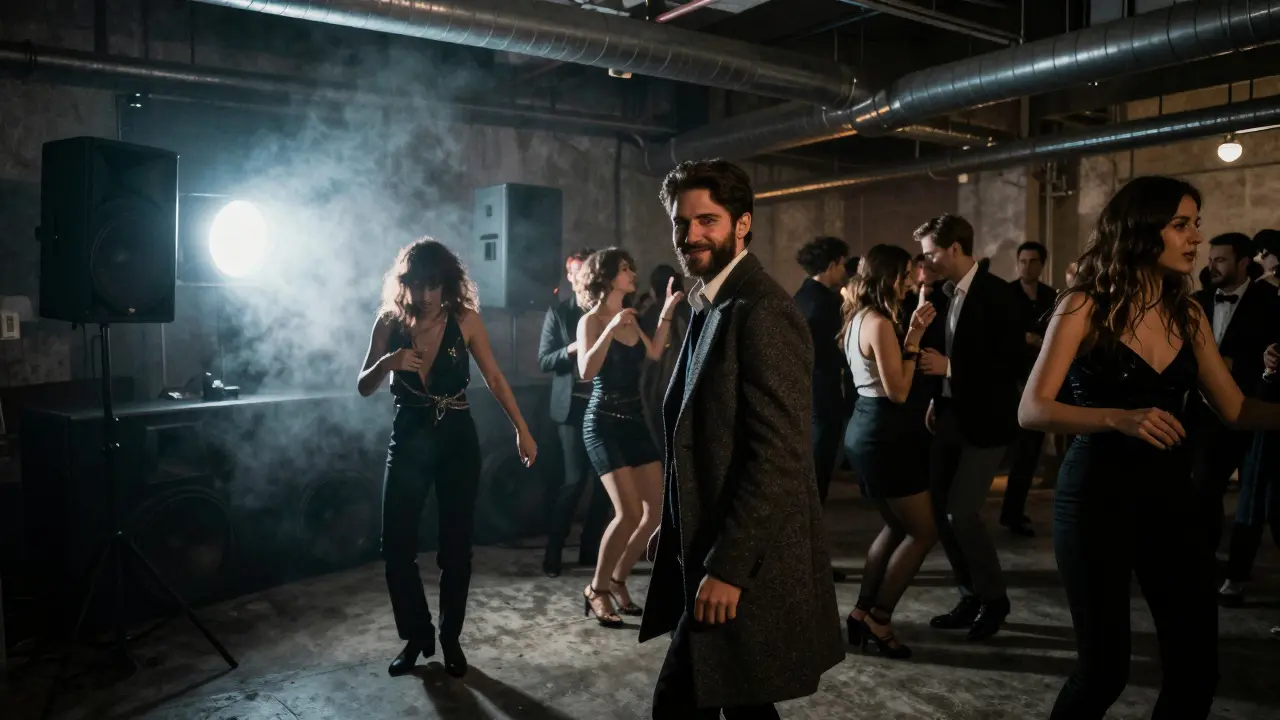
La Scala Club isn’t the opera house - it’s a warehouse in the Porta Genova district. The door is unmarked. You’ll need to text a number for the code. Inside, it’s dark, loud, and packed with Milan’s creative class: designers, DJs, and artists who’ve been coming here since 2018. They play deep house and techno, no top 40. The crowd doesn’t care who’s playing - they care that the sound system is tuned by a guy who used to work at Berghain.
For something more experimental, try Officine Grandi Riparazioni (OGR). It’s a former train repair shop turned cultural hub. On weekends, it hosts underground parties with live electronic acts and visual projections. Entry is €15, but you get a free drink and access to a rooftop with views of the city skyline.
Don’t skip the aperitivo - it’s the soul of Milanese nightlife
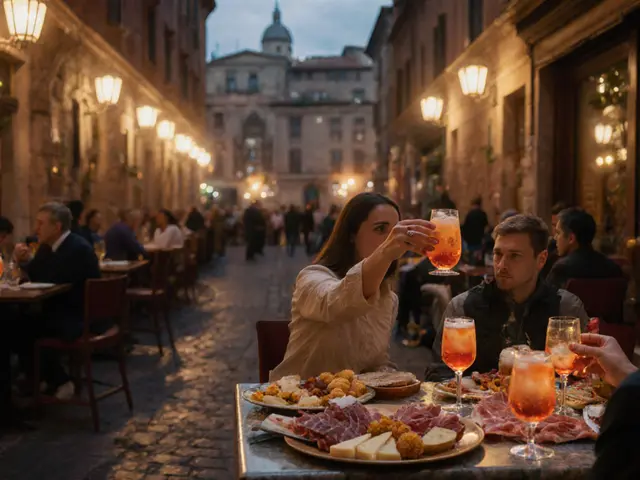
Aperitivo isn’t just a drink. It’s a ritual. Between 6 p.m. and 9 p.m., bars across Milan turn into buffet tables. Pay €12-€18 for a drink - usually a spritz, negroni, or gin and tonic - and you get unlimited snacks. We’re talking truffle arancini, smoked salmon crostini, mini lasagna, and fresh focaccia. It’s not just cheap food. It’s social glue.
Happy Hour at Pasticceria Marchesi on Via Manzoni is a quiet favorite. No loud music, no crowds. Just excellent wine and delicate pastries. Bar Basso - where the Negroni Sbagliato was invented - is worth the wait. Lines form at 7 p.m. But if you’re patient, you’ll taste history in a glass.
Where to go after midnight - when the clubs close
Most clubs shut down by 2 a.m. But Milan doesn’t end there. The real night owls head to the pizzerias.
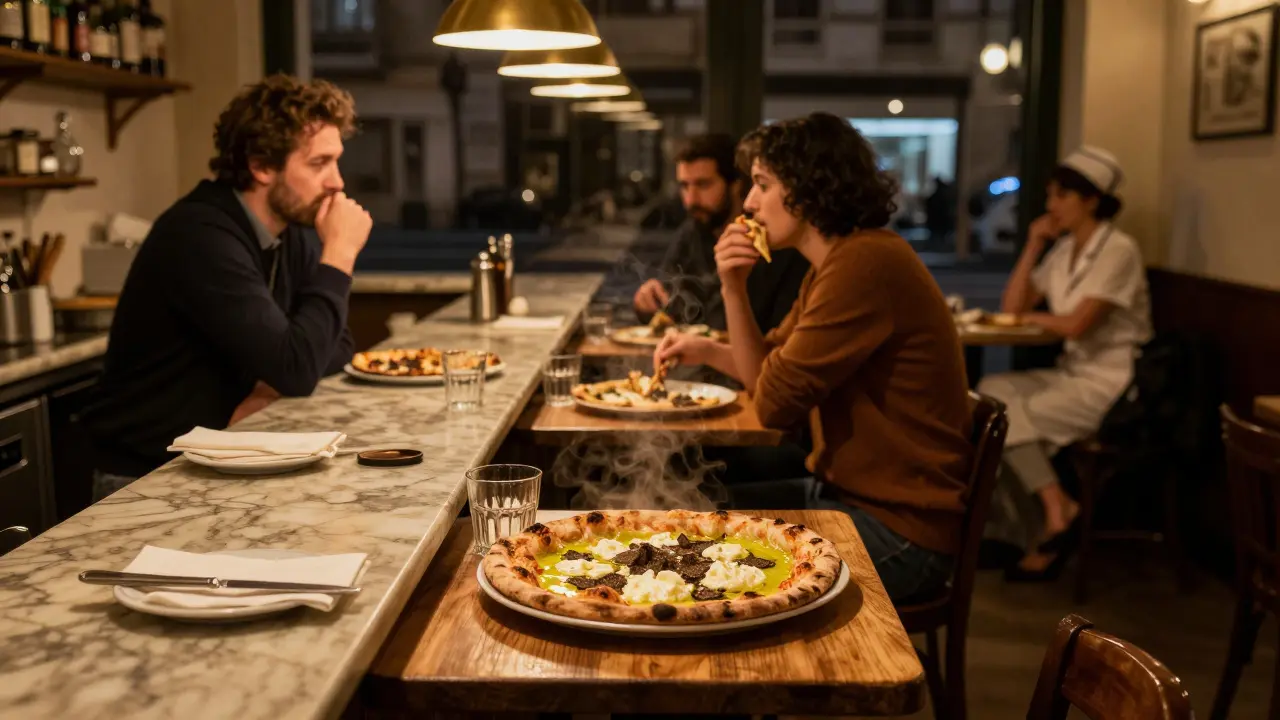
Pizzeria La Maschera in Brera is open until 5 a.m. Their thin-crust pizza with stracciatella and truffle oil is legendary. You’ll find bankers, artists, and night-shift nurses all eating side by side. No one talks about their day. They just nod, pass the salt, and eat.
For something different, try Bar Basso’s late-night snack counter. After midnight, they serve tiny sandwiches called panini al latte - soft bread, butter, and prosciutto. It’s simple. It’s perfect. And it’s the only thing that’ll settle your stomach after three cocktails.
What not to do - and where to avoid
Don’t go to Area 17 unless you want to pay €40 for a plastic cup of soda and dance to a DJ playing Ed Sheeran remixes. It’s the kind of place tourists get dragged to by hotel concierges. The same goes for any bar with “Milan” in its name and a neon sign. If it looks like a club from a movie, it’s probably not real.
Avoid the area around Piazza del Duomo after 10 p.m. It’s filled with overpriced cocktail bars that target visitors. The drinks are €20, the music is too loud, and the vibe is forced. Walk five minutes to Via Torino instead. You’ll find better drinks, cheaper prices, and real conversation.
How to dress - and why it matters
Milanese nightlife isn’t about flashy logos. It’s about quiet confidence. You don’t need to wear Gucci to fit in. But you do need to look intentional.
Men: dark jeans, a tailored shirt (no logos), and clean sneakers or loafers. A leather jacket helps. Women: a little black dress or tailored trousers with a silk top. Heels are fine, but not stilettos - you’ll be walking on cobblestones. No baseball caps. No flip-flops. No tank tops. If you look like you just got off a plane, you’ll stand out - and not in a good way.
Locals notice details. A well-fitted coat. A watch that isn’t a Rolex knockoff. A bag that looks like it’s been used, not bought yesterday. It’s not about being rich. It’s about being present.
When to go - timing is everything
Milan doesn’t rush. Dinner starts at 9 p.m. Aperitivo ends at 9:30. Clubs don’t fill up until 11. And the real energy doesn’t hit until 1 a.m.
Weekends are packed, but Fridays are the best. The city feels alive. Tuesdays and Wednesdays are quiet - perfect if you want to explore without crowds. And don’t forget: most places are closed on Mondays. Even the best pizzerias shut down. Plan ahead.
Final tip: Talk to the bartenders
The best night in Milan doesn’t come from a guidebook. It comes from a bartender who says, “You like jazz? Come with me.”
At Bar Campari in the Brera district, the owner keeps a list of secret gigs - underground jazz sessions in old libraries or rooftop sets above bookshops. Ask for “the real Milan.” He’ll smile, nod, and hand you a card with an address and a time. No name. No website. Just a door. And that’s where the magic happens.



Write a comment