Paris doesn’t sleep when the sun goes down - it just changes menus.
Most visitors think of Paris as croissants at dawn, museum visits at noon, and candlelit dinners at 8 p.m. But the real magic happens later. After the last tour group leaves the Eiffel Tower and the cafes close their shutters, a different kind of Paris wakes up. This is where the locals eat, drink, and linger - not for photos, but for flavor. The city’s nighttime food scene isn’t just about fancy restaurants. It’s about warm baguettes at 2 a.m., steaming bowls of ramen in Montmartre, and wine poured straight from the barrel in hidden cellars.
You don’t need a reservation or a Michelin star to taste the soul of Paris after dark. You just need to know where to look.
Where the locals go after midnight
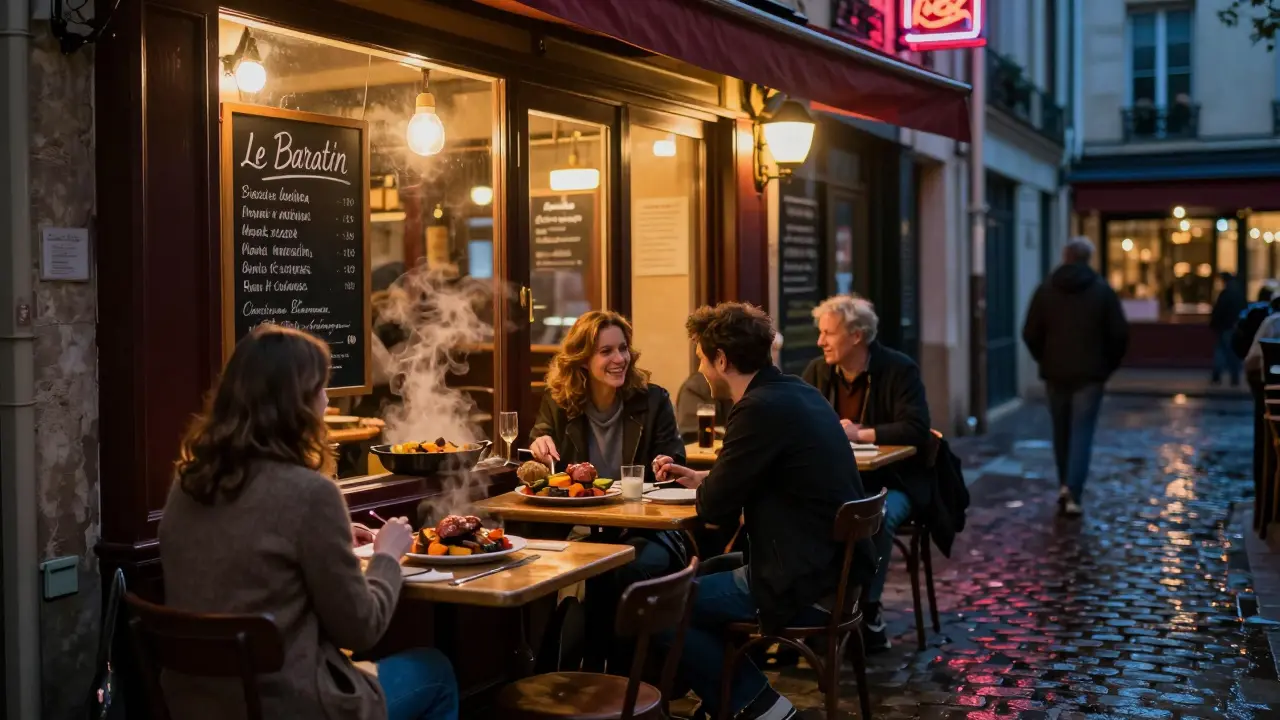
Forget the tourist traps around Notre-Dame. If you want real Parisian night eats, head to Belleville. This neighborhood, once known for its immigrant communities, is now the heartbeat of late-night food in Paris. At 1 a.m., you’ll find lines outside Le Baratin, a tiny bistro where chefs serve duck confit, roasted vegetables, and natural wines to a crowd that includes artists, musicians, and chefs off duty. The menu changes daily, written on a chalkboard behind the bar. No photos. No menus. Just food that tastes like it was made for someone who’s been up since sunrise.
Just a few blocks away, Le Comptoir du Relais stays open until 3 a.m. on weekends. It’s not fancy. The tables are sticky. The chairs creak. But the steak frites? Perfectly charred, buttery, and served with a side of garlic fries that crisp up just right. Locals come here after clubs, after shows, after midnight subway rides. They don’t come for the ambiance. They come because this is the only place in Paris where you can get a real, honest, no-pretense meal at 2 a.m. - and no one will rush you out.
The secret world of Parisian bistros that never close
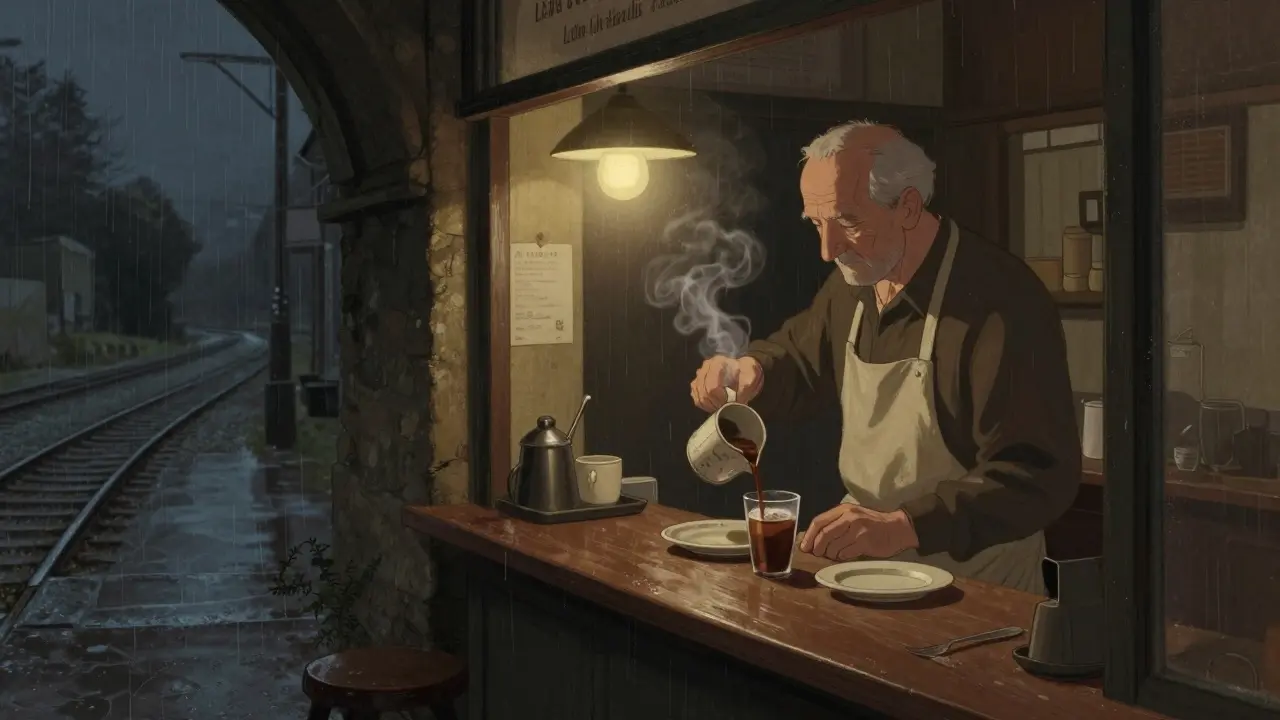
Some places in Paris operate on a different clock. Le Petit Châtelet, tucked under a railway arch near Gare du Nord, has been open 24 hours since 1978. It’s not a tourist spot. You won’t find it on Instagram. But if you’ve ever woken up at 4 a.m. in Paris with hunger gnawing at you, this is where you go. The menu is simple: omelets, grilled cheese, hot chocolate, and coffee that tastes like it was brewed in a pot that’s seen a hundred shifts. The owner, a retired taxi driver named Jean, still pours the coffee himself. He doesn’t speak much English. But he knows exactly how you like it - even if you didn’t say.
Down in the 13th arrondissement, Le Chinois serves pho until 5 a.m. Every night. It’s not a trendy fusion spot. It’s a family-run kitchen that’s been feeding night workers, students, and insomniacs for over 40 years. The broth simmers for 18 hours. The herbs are fresh. The beef is sliced thin. And the price? €8.50. That’s less than a bottle of water in some tourist restaurants. People come here after clubbing, after shifts at the hospital, after long train rides. It’s not about the view. It’s about the warmth.
Wine bars that feel like your friend’s kitchen
Paris isn’t just about wine. It’s about drinking wine like you’re sitting in your best friend’s kitchen - barefoot, laughing, with a plate of cheese and charcuterie in front of you. In Le Marais, Le Verre Volé is one of the first natural wine bars in the city. They don’t have a wine list. Instead, they have a board with names like “Petite Fleur” from the Loire or “Grenache Noir, unfiltered”. The staff pours you a taste. If you like it, they’ll bring you a full glass. If you don’t, they’ll swap it out without asking. No pressure. No snobbery. Just wine that tastes like the soil it came from.
Across the river in Saint-Germain-des-Prés, Bar à Vins does the same thing - but with more jazz. The owner, a former jazz drummer, plays vinyl on weekends. The wine is all organic. The cheese comes from a farm in Auvergne. And the bread? Baked in-house every morning, then toasted at night. You can sit here for three hours. No one will blink. They’ll refill your glass. They’ll bring you another slice of camembert. They’ll tell you about the vineyard owner who grew the grapes. And you’ll leave feeling like you’ve made a friend.
Midnight snacks you can’t find anywhere else
Parisians don’t wait for dinner to be served. They snack. And the best midnight snacks aren’t in restaurants - they’re in alleyways, train stations, and tiny carts.
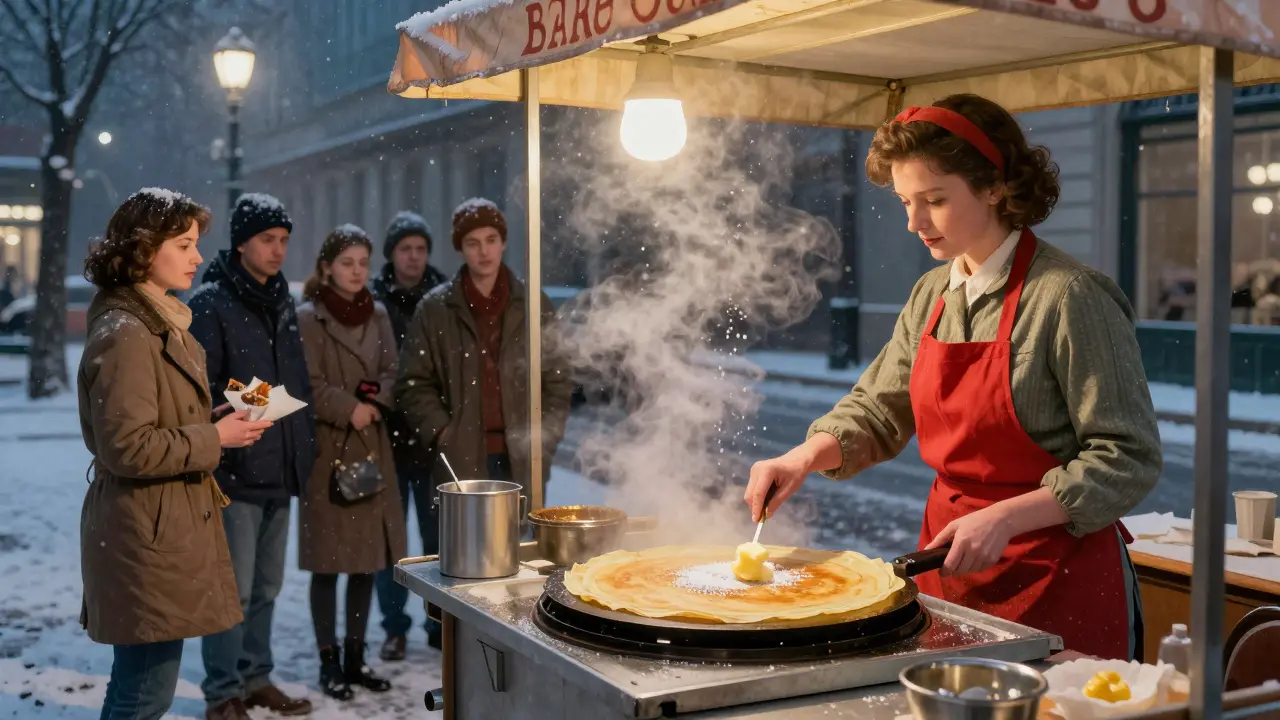
At La Crêperie de la Gare, just outside Gare du Nord, a woman in a red apron flips crêpes until 4 a.m. Her batter is made with buckwheat. Her fillings are simple: salted butter, sugar, or ham and cheese. She doesn’t take cards. She doesn’t have a website. But every night, 20 people wait in line. The crêpes are thin, crisp, and warm. You eat them standing up. You don’t need a fork. You just hold them and bite. It’s the kind of food that makes you forget you’re in a city.
Then there’s the churros at Churros & Co in the 10th arrondissement. They’re not Spanish. They’re Parisian. The dough is fried fresh, dipped in dark chocolate, and sprinkled with sea salt. You can get them at 1 a.m. for €3.50. They’re messy. They’re sticky. And they’re the only thing that makes sense after three glasses of wine.
What to skip - and why
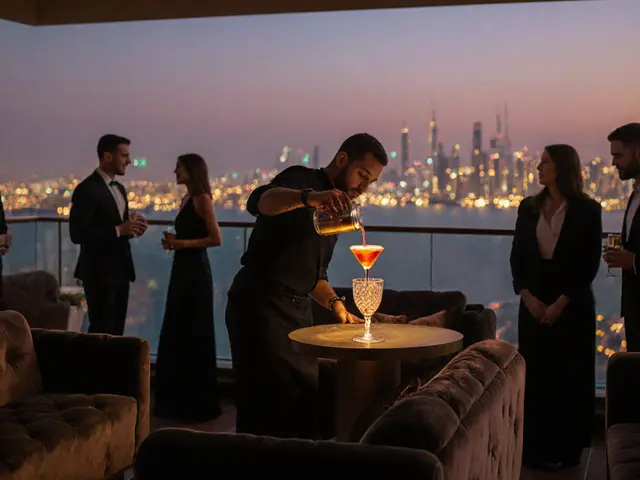
Not every place that glows after dark is worth your time. Avoid the restaurants near the Champs-Élysées that have “Parisian Cuisine” in neon letters. They’re expensive. They’re overcooked. And they’re packed with tourists who’ve never been here before. The same goes for the “romantic” rooftop bars that charge €25 for a glass of sparkling water. You’re not here to impress. You’re here to eat.
Also skip the places that ask for reservations after 10 p.m. If a restaurant requires you to book a table at midnight, it’s probably not where the locals go. Real late-night spots don’t need reservations. They just need hunger.
How to navigate Paris after dark - safely and smartly
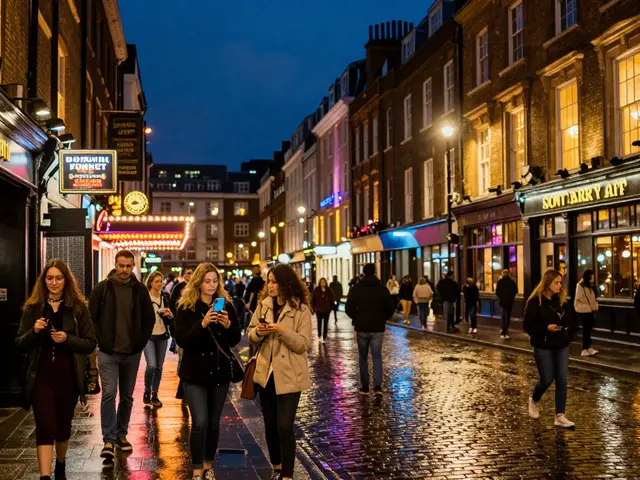
You don’t need a guidebook. You just need to walk. Paris is safe at night, especially in the central arrondissements. Stick to well-lit streets. Avoid empty alleys near the Seine after 2 a.m. But don’t be afraid to wander. The best food discoveries happen when you turn down a street you didn’t plan to take.
Use the metro. The last trains run until around 1:15 a.m. on weekdays and 2:15 a.m. on weekends. If you miss it, take a taxi. Uber is fine, but local taxi apps like G7 are cheaper and more reliable. And always carry a small bag of cash. Many late-night spots don’t take cards.
And if you’re lost? Ask someone. Parisians are polite. They might not speak English. But they’ll point you in the right direction. And if you say “Je suis perdu, j’aimerais manger” - “I’m lost, I want to eat” - they’ll probably invite you to join them.
What to drink when you’re not in the mood for wine
Wine is great. But Paris has more.
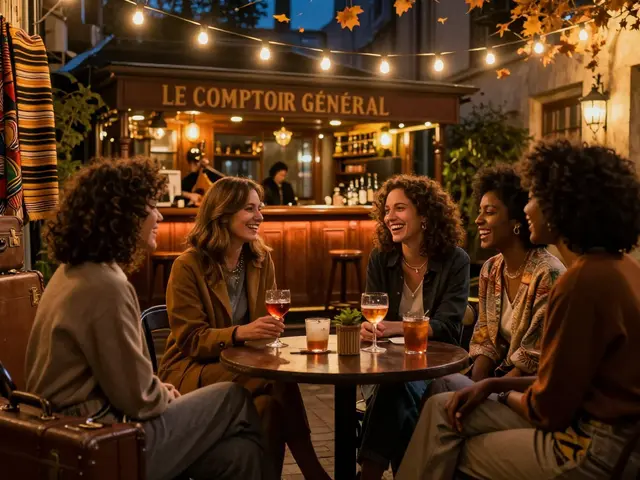
Try vermouth at Le Baratin - it’s served cold, with an olive and a twist of orange. Or head to Le Comptoir Général in the 10th, where they serve craft cocktails made with local herbs and spices. Their “Parisian Old Fashioned” uses cognac, orange peel, and a touch of rosemary. It’s not sweet. It’s not loud. It’s quiet, like the city at 3 a.m.
For something lighter, try cidre brut - a dry, sparkling apple cider from Normandy. It’s served in a pint glass. It’s fizzy. It’s refreshing. And it pairs perfectly with fried potatoes or cheese.
And if you’re still awake at 5 a.m.? Go to a boulangerie. Buy a pain au chocolat. Sit on a bench. Watch the sunrise. Eat it slowly. This is Paris at its most real.
Final tip: Eat like a local, not a tourist
The best thing you can do in Paris at night? Stop looking for the perfect photo. Stop checking your phone. Stop trying to find the “most famous” place.
Instead, walk. Look for the place with the most people standing outside. Look for the one with the worn-out chairs. Look for the one where the staff smiles when you walk in - even if you don’t speak French.
That’s where the real food is.
Is Paris safe to explore at night for food?
Yes, especially in central areas like Le Marais, Saint-Germain, and Belleville. The city is well-lit and patrolled. Avoid isolated streets near the Seine after 2 a.m., and stick to busy neighborhoods. Most late-night eateries are in areas with high foot traffic, making them safe even late.
What time do most restaurants close in Paris?
Most regular restaurants close by midnight, but many bistros and bars stay open until 2 a.m. or later. Places like Le Petit Châtelet and Le Chinois serve food until 4 or 5 a.m. on weekends. If you’re looking for late eats, aim for neighborhoods like Belleville, the 10th, or the 13th arrondissement.
Do I need to make reservations for late-night dining in Paris?
Almost never. The best late-night spots don’t take reservations. They operate on a first-come, first-served basis. If a place requires a booking after 10 p.m., it’s likely aimed at tourists. Skip it. Go where the locals are waiting in line.
Can I pay with a credit card at late-night spots in Paris?
Many don’t. Small bistrots, food carts, and family-run kitchens often only accept cash. Always carry €20-€50 in euros, especially if you plan to eat after midnight. ATMs are available, but they’re less common in quiet streets after hours.
What’s the best way to get around Paris at night for food?
The metro runs until about 1:15 a.m. on weekdays and 2:15 a.m. on weekends. After that, use G7 taxis - they’re cheaper than Uber and more reliable. Walking is also safe and common in central districts. Many food spots are clustered in neighborhoods, so you can easily hop from one to another on foot.


Write a comment