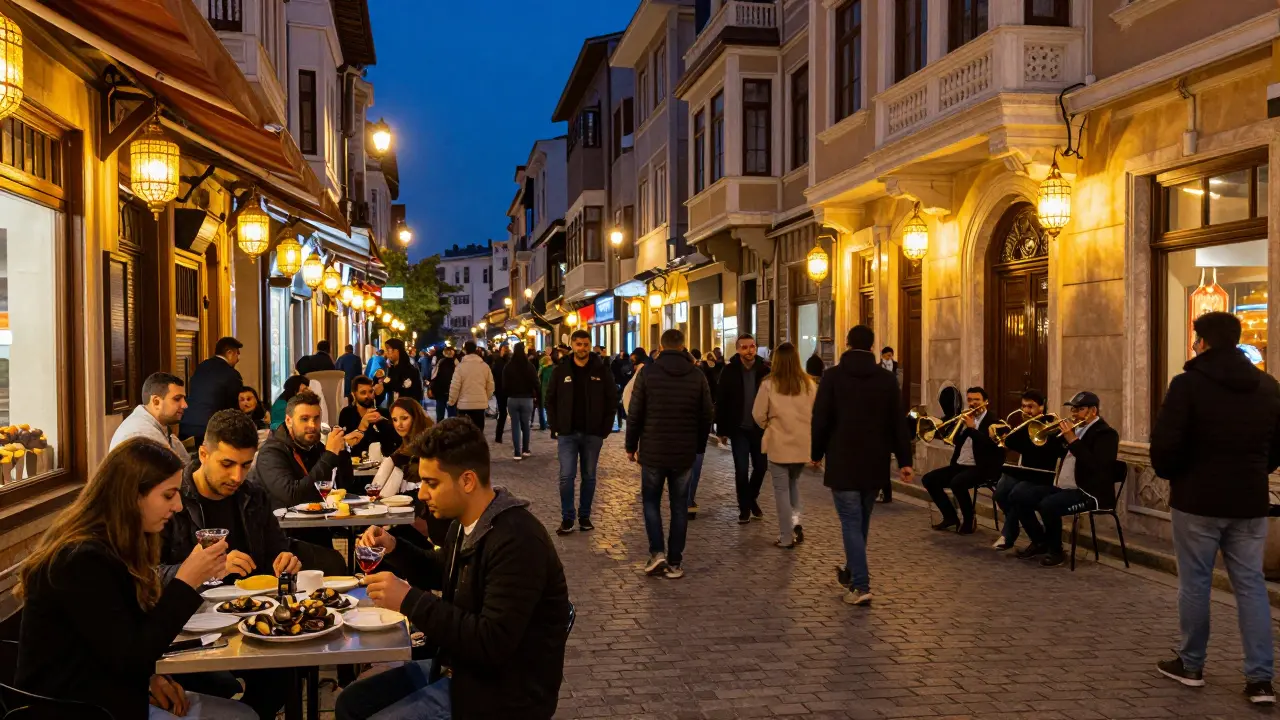
When the sun sets over the Bosphorus, Istanbul doesn’t sleep-it wakes up. This isn’t just a city with bars and clubs. It’s a place where Ottoman-era alleyways turn into jazz lounges, rooftop terraces glow with lantern light, and traditional meyhane taverns hum with live ney flutes and laughter that lasts until dawn. Nightlife here isn’t about chasing trends. It’s about soaking in layers of culture, history, and rhythm that only this city can serve.
Where the City Comes Alive: Beyoğlu and Karaköy
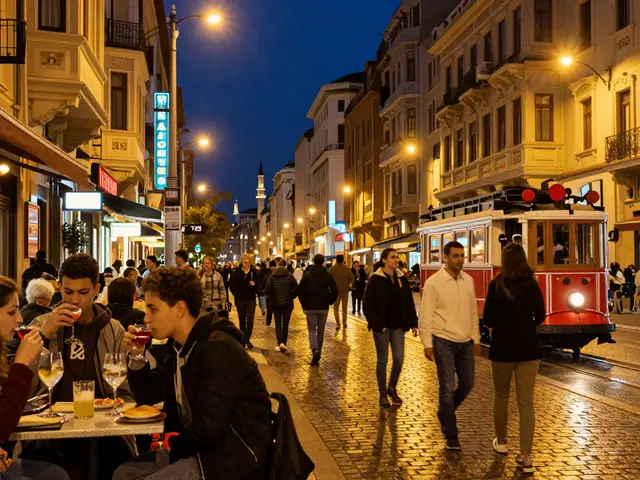
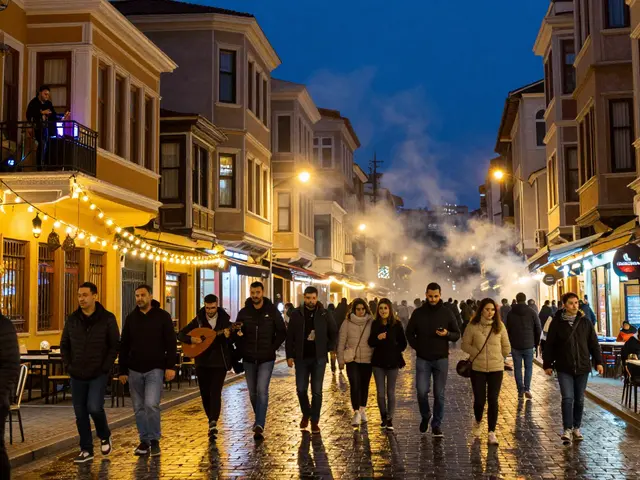
Start in Beyoğlu, the beating heart of Istanbul’s night. Walk down İstiklal Caddesi, the pedestrian street that never truly closes. By 9 p.m., it’s packed with locals and visitors alike-students sipping raki, couples sharing midye dolma (stuffed mussels), and street musicians playing everything from Turkish pop to Balkan brass. But the real magic happens in the side streets.
Take a left onto Çiçek Pasajı, a 19th-century arcade turned bar strip. It’s got old-school charm: velvet booths, copper taps, and waiters who know your name by the third drink. Just down the block, Bar 1927 serves cocktails in vintage glassware, with walls lined in antique maps of the Ottoman Empire. It’s not loud. It’s not flashy. It’s the kind of place where you end up talking to a retired Turkish diplomat about how the city changed after 2000.
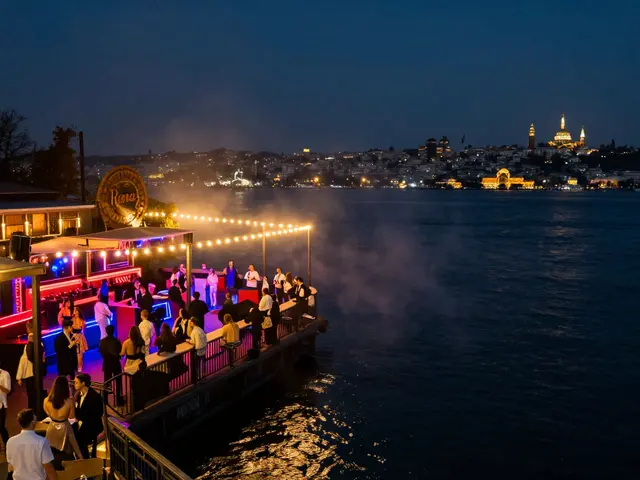
Head to Karaköy next. This former port district is now a playground for creatives. Bar Bosphorus on the waterfront has one of the best views of the Golden Horn, and their çay (tea) with a twist-a single drop of rosewater-feels like a secret passed down for generations. The music here is more intimate: acoustic sets, spoken word nights, and the occasional oud player who doesn’t charge but asks you to leave a book instead.
The Mehane Experience: More Than Just Drinking
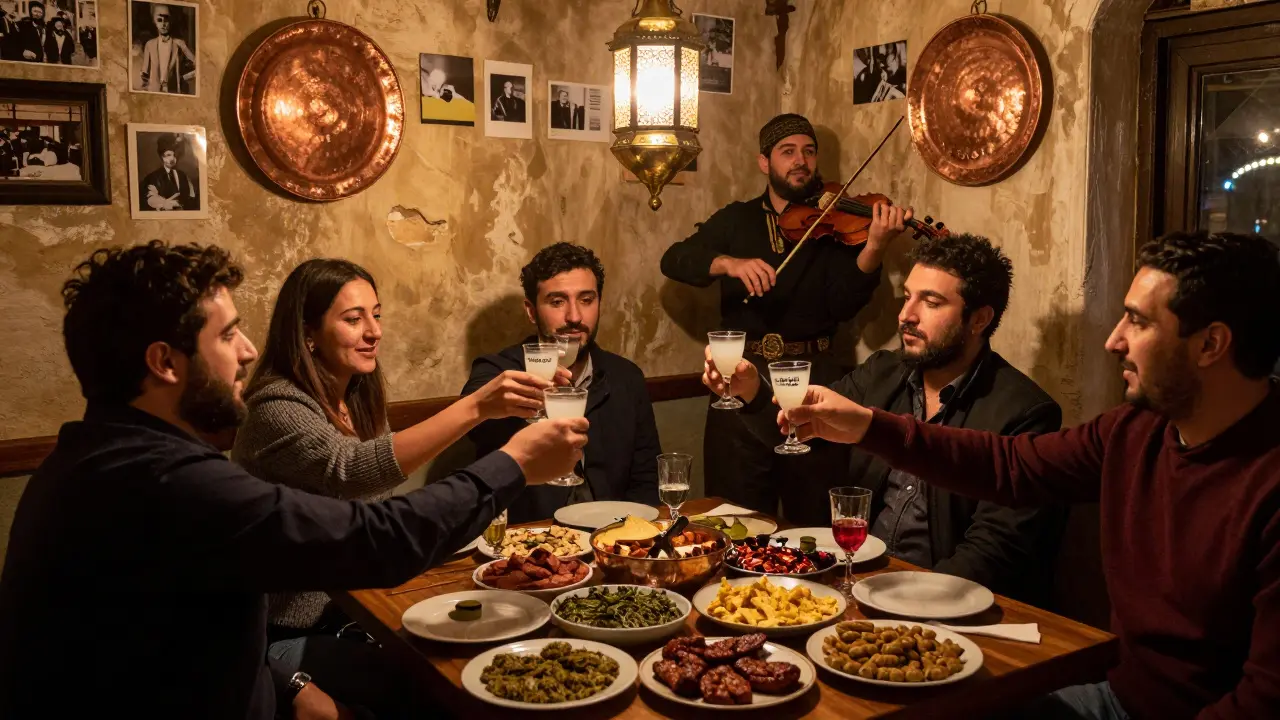
If you think nightlife means loud bass and flashing lights, you haven’t been to a real meyhane. These aren’t bars. They’re social institutions. Picture wooden tables, dim lanterns, and plates of haydari (yogurt dip), sucuk (spicy sausage), and höşmerim (cheese dessert) spread out like a feast. The drinks? Raki, of course. But not just any raki. In Istanbul, it’s served with ice and water, turning cloudy white-a ritual called aslan sütü, or lion’s milk.
At Asitane in Galata, the raki flows with live gypsy violin music. The owner, Mehmet, has been running this place since 1987. He’ll tell you that in the 90s, this was where poets and politicians met after midnight. Today, it’s still the same. No one checks IDs. No one rushes you. You drink, you eat, you listen. And when the music slows, someone will start singing an old Turkish folk song. Everyone joins in-even tourists.
Rooftops, Jazz, and Hidden Speakeasies
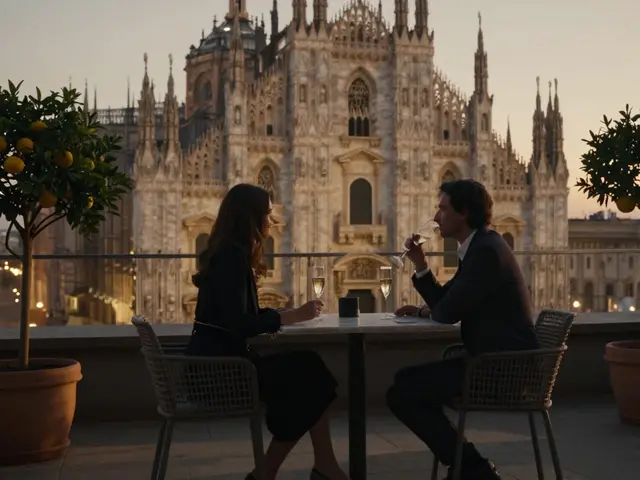
For something quieter but just as memorable, head to the rooftops. 7th Heaven on the 7th floor of a building in Nişantaşı has no sign. You find it by the scent of smoked tobacco and the sound of a saxophone drifting over the city. The cocktails are named after Turkish poets: Orhan Veli, Nazım Hikmet. Each one comes with a small card explaining the poet’s life. It’s not gimmicky. It’s respectful.
Down in Kadıköy, on the Asian side, Barbakan is a basement jazz club that’s been running since 1995. No cover charge. No reservations. Just a small stage, a few chairs, and a crowd that knows when to clap and when to stay silent. The owner, Aylin, used to be a classical violinist. Now she books local jazz musicians who play everything from bebop to Turkish fusion. One night, you might hear a trumpet solo that blends with a darbuka drumbeat. It’s haunting. It’s beautiful.
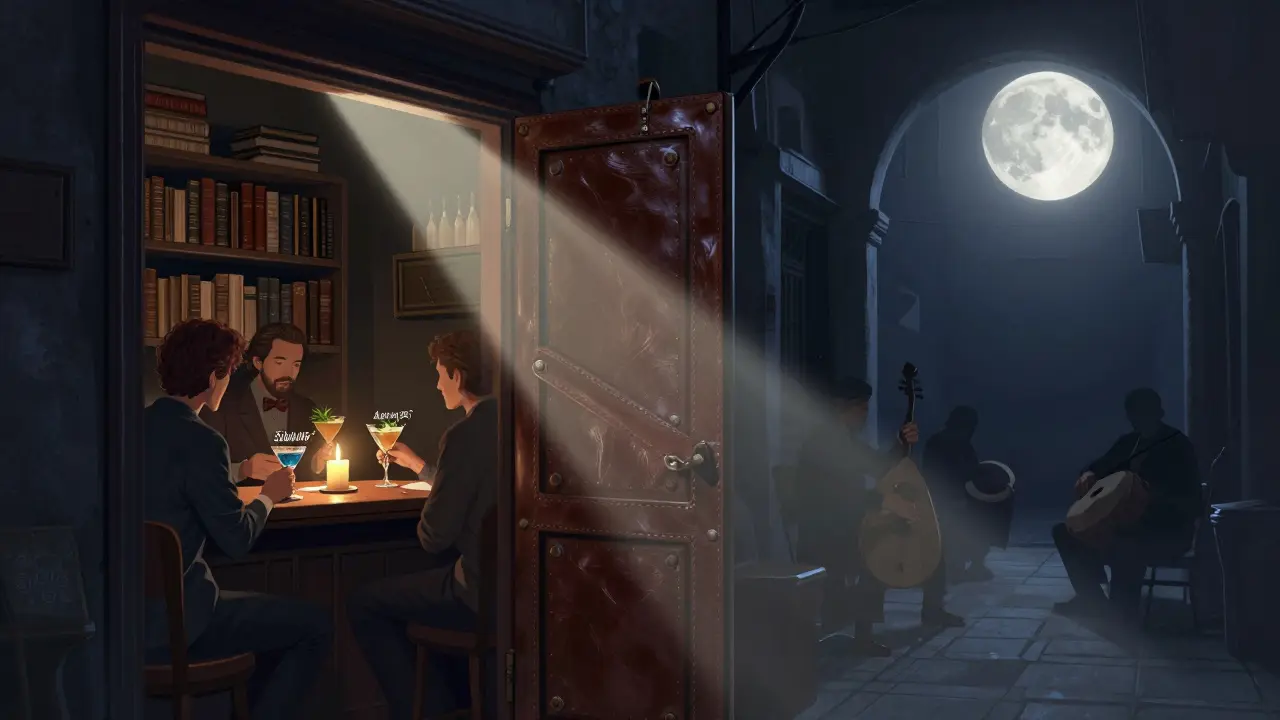
And then there are the speakeasies. Hidden in a back alley near Taksim, you need a password to get in. It changes weekly. Ask at the meyhane next door-they’ll whisper it to you. Inside, it’s all dim lighting, leather-bound books, and cocktails made with herbs from the Black Sea coast. One drink, called Çamlıca, uses juniper berries picked near the hills where Ottoman sultans once hunted. You won’t find it on any menu. You have to ask for it.
When to Go and What to Expect
Istanbul’s nightlife doesn’t follow European hours. Bars don’t fill up until 11 p.m. Clubs don’t get busy until 1 a.m. And if you leave before 4 a.m., you’re missing the real party. Locals don’t go out to party-they go out to connect. You’ll see families sharing dessert at midnight. Grandparents playing backgammon in corner cafés. Young artists debating philosophy over Turkish coffee.
Friday and Saturday nights are busiest, but Wednesday and Thursday have their own magic. That’s when the university crowd shows up, and the music gets more experimental. You might stumble into a poetry slam in a converted mosque basement, or a Kurdish folk band playing in a basement near Üsküdar.
Don’t expect neon signs or bottle service. Istanbul doesn’t do flashy. It does soul. The best nights aren’t the ones you Instagram. They’re the ones you remember because you laughed too hard, stayed too late, and left with a new friend who gave you their number on a napkin.
What to Wear, How to Pay, and What to Avoid
Dress smart-casual. No shorts. No flip-flops. Even in summer, people dress up a little. It’s not about wealth-it’s about respect. You don’t need to spend much. A raki and meze costs about 80 Turkish lira (under $3). A cocktail at a rooftop? Around 150 lira. Most places take cash, but cards are accepted in tourist-heavy spots.
Avoid the so-called "tourist clubs" on İstiklal. They’re loud, overpriced, and staffed by people who don’t speak Turkish. Skip the ones with "Istanbul Nightlife" in their name. The real scene isn’t advertised. It’s whispered.
And never refuse a toast. If someone says Şerefe (to honor), raise your glass. It’s not a custom-it’s a bond.
The Real Secret of Istanbul Nightlife
The secret isn’t the music, the drinks, or even the view. It’s the rhythm. Istanbul’s night moves slower than other cities. It doesn’t rush. It doesn’t demand. It invites. You don’t find the best spot-you let it find you.
Walk without a map. Let the smell of grilled lamb lead you. Let the sound of a distant ney pull you into a courtyard you didn’t know existed. Talk to strangers. Ask where they go after midnight. You’ll hear stories about secret gardens, underground poetry circles, and rooftop weddings that last until sunrise.
This isn’t nightlife as you know it. It’s a living culture. And if you’re lucky, you’ll leave with more than memories. You’ll leave with a piece of Istanbul’s soul.
Is Istanbul nightlife safe for tourists?
Yes, Istanbul’s nightlife is generally safe for tourists, especially in areas like Beyoğlu, Karaköy, and Kadıköy. These neighborhoods are well-lit, patrolled, and filled with locals who are used to visitors. Avoid isolated alleys after 2 a.m., and stick to places where people are gathered. Most bars and clubs have security, and police presence is common near major streets. As always, keep your belongings secure and avoid flashing valuables.
What’s the best time to visit Istanbul for nightlife?
The best months are April to June and September to October. The weather is mild, and the city feels alive without being overwhelming. Summer (July-August) is hot and crowded, but the rooftop scenes are unforgettable. Winter nights are quieter but offer cozy meyhanes and intimate jazz spots. Avoid Ramadan if you want full nightlife-many places close earlier, and alcohol service is limited.
Do I need to speak Turkish to enjoy Istanbul’s nightlife?
Not at all. English is widely spoken in bars and clubs in tourist areas. But learning a few phrases like Teşekkür ederim (thank you), Şerefe (to your health), or Bir raki lütfen (one raki, please) goes a long way. Locals appreciate the effort-and often reward it with extra meze or a free drink.
Can I find vegan or vegetarian options in Istanbul nightspots?
Absolutely. Traditional Turkish meze is naturally plant-based: hummus, eggplant salad, stuffed grape leaves, and grilled vegetables. Many meyhanes and newer bars now label vegan options. Places like Green House in Karaköy and Plant in Beyoğlu specialize in vegan Turkish cuisine. Even traditional spots will adjust dishes if you ask.
Are there any dress codes for Istanbul nightclubs?
Most upscale bars and clubs enforce a smart-casual dress code. Men should avoid shorts, tank tops, or flip-flops. Women aren’t required to cover up, but modest attire is appreciated. Rooftop lounges and jazz clubs are more relaxed. The key is to look put-together without being overdressed. If you’re unsure, ask ahead-many places list their dress code online.

Write a comment