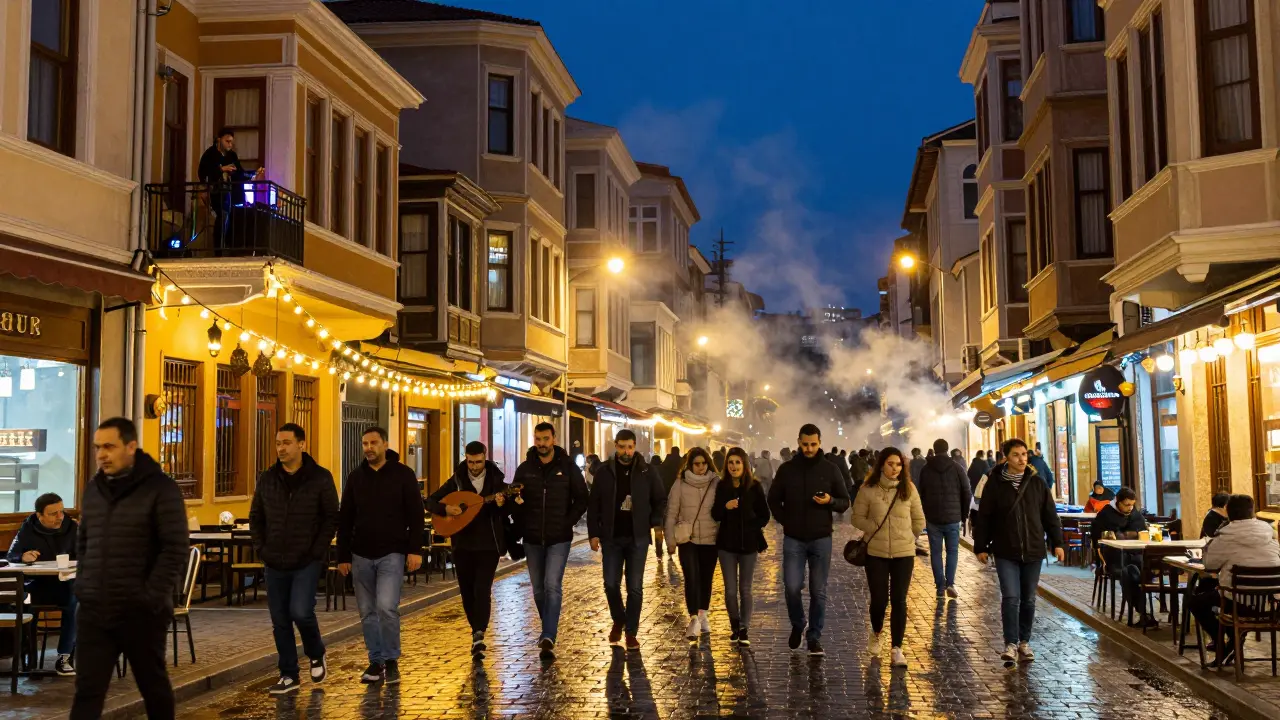
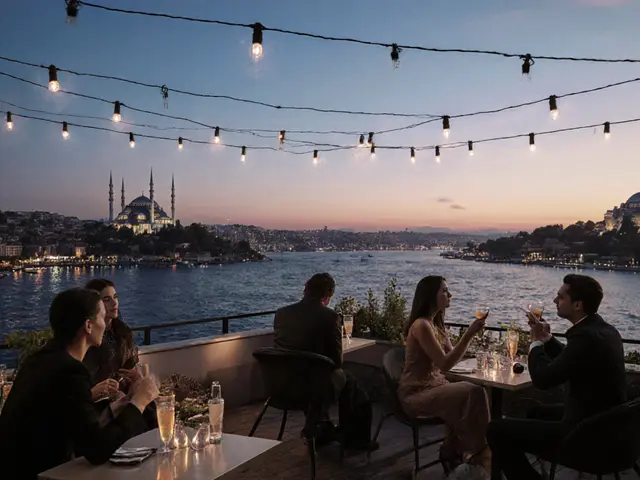
When the sun sets over the Bosphorus, Istanbul doesn’t sleep-it transforms. The city’s nightlife isn’t just about drinking or dancing. It’s a living mosaic of centuries: Ottoman tea houses whispering secrets next to underground techno clubs, rooftop lounges with views of minarets, and hidden wine cellars where jazz plays over centuries-old stone walls. This isn’t a tourist brochure version of nightlife. This is what happens when a city that once ruled empires learns how to party in the 21st century.
The Soul of Beyoğlu: Where Night Begins
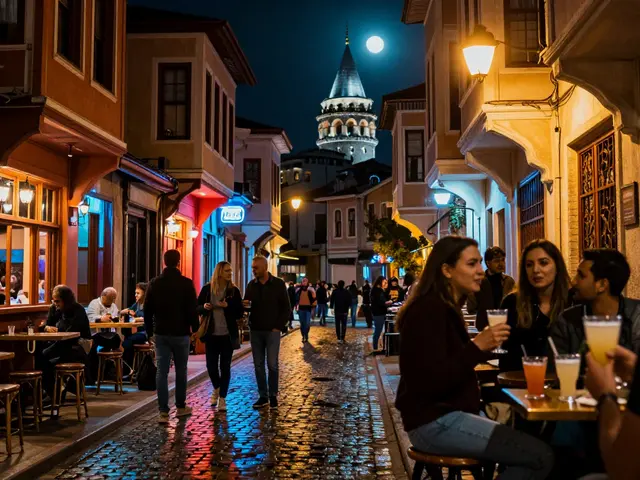
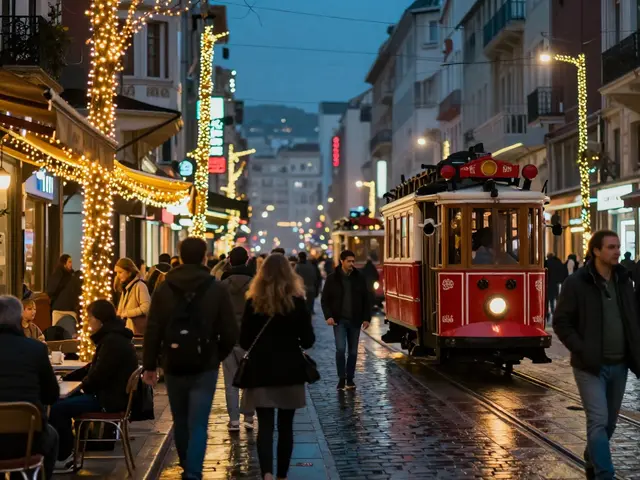
Beyoğlu is the heartbeat of Istanbul after dark. Walk down İstiklal Avenue at 9 p.m., and you’ll feel the pulse. Street musicians play Turkish folk tunes beside DJs spinning house music from hidden balconies. The sidewalks are packed-not just with tourists, but with locals in their 20s and 30s who’ve been coming here since they were teenagers. This isn’t a place you visit. It’s a place you live in for a night.
Start at Asmali Mescit, a narrow alley turned cultural hub. Here, you’ll find gözleme stalls next to bars serving raki with pomegranate syrup. The air smells like grilled meat, tobacco, and oud perfume. By midnight, the crowd shifts from families eating dinner to couples dancing under string lights. No one checks IDs here. You know you’re in the right place when the bartender asks if you want your raki with water or without-and you nod like you’ve done it a hundred times before.
From Ottoman Harems to Underground Clubs
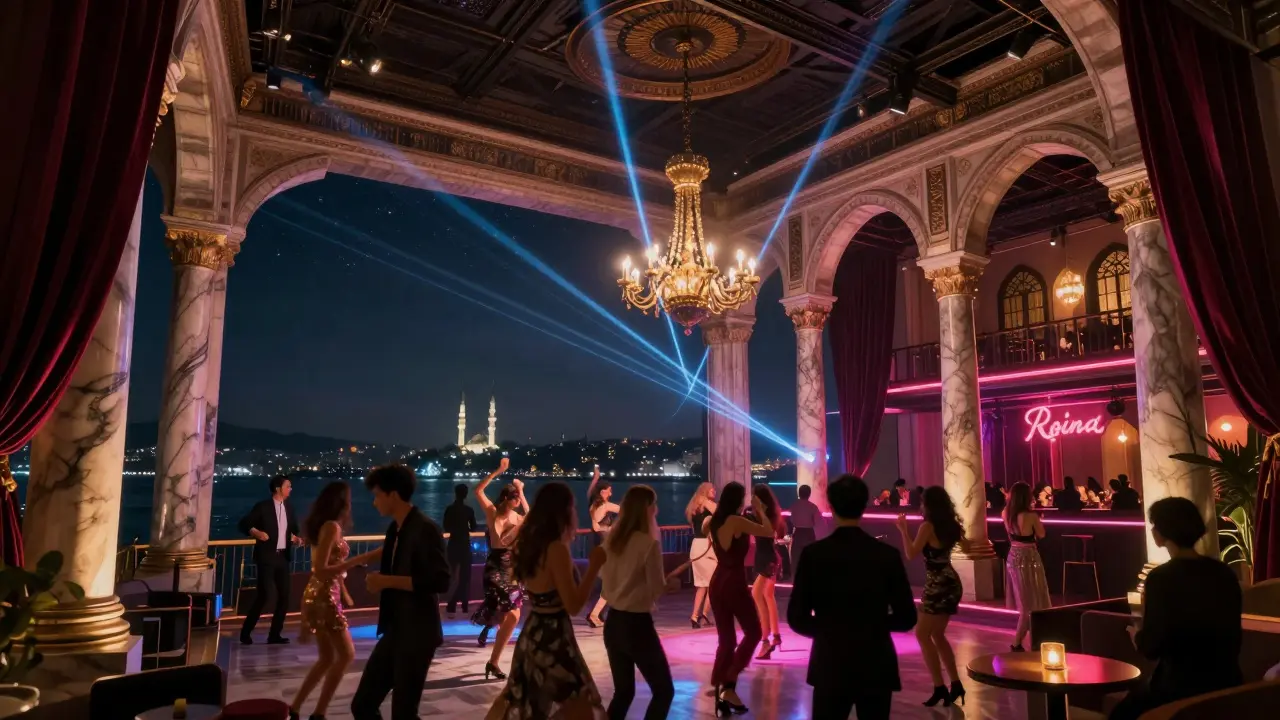
Istanbul’s nightlife has roots deeper than most cities dare to admit. In the 1800s, elite men gathered in harem lounges to drink wine, listen to ney flutes, and recite poetry. Those spaces didn’t vanish-they evolved. Today, you can find their spirit in places like Reina on the Asian side. Built on the ruins of a 19th-century Ottoman mansion, Reina still has its original marble columns. But now, they’re illuminated by laser lights and surrounded by people in designer clothes dancing to international DJs.
For something grittier, head to Karaköy. The old warehouses along the waterfront have been turned into industrial-style clubs. Bar 1919 opened in 2018 and quickly became the go-to spot for underground techno. The walls are raw brick. The sound system is imported from Berlin. And the crowd? Mostly locals who’ve been coming since the club’s first week. You won’t find a bottle service menu here. Just a small bar, a few stools, and a DJ who plays tracks no one else in the city dares to spin.
The Wine Revolution: Hidden Cellars and Local Grapes
Most people think Turkey is a dry country. They’re wrong. Turkey produces over 1.2 million tons of wine grapes every year-and most of it never leaves the country. In the last decade, a quiet wine revolution has taken root in Istanbul’s back alleys.
Çiçek Pasajı, once a 19th-century flower market, now houses Wine Bar 1897. The owner, a former sommelier from Izmir, sources grapes from Thrace and Anatolia. Try the Öküzgözü-a bold red with notes of black cherry and leather-or the Kalecik Karası, light and floral, perfect for sipping under the chandeliers. The menu doesn’t list prices. You just tell the server what you’re in the mood for, and they bring you three small glasses to taste.
Down in Kadıköy, Elma Bar serves wine from small family vineyards in the Black Sea region. No imported bottles. No branding. Just 12 bottles on the shelf, all from growers who still harvest by hand. The owner, Emine, doesn’t speak English. But she’ll pour you a glass, point to the wall, and say, “This is my uncle’s vineyard.” You’ll leave with a bottle tucked under your arm and a story you won’t forget.
Music That Moves the City
Music is the thread that ties Istanbul’s nightlife together. You can hear it in the call to prayer echoing over bass drops, in the oud blending with electronic beats, in the spontaneous drum circles that pop up near Galata Tower after midnight.
Asitane in Fatih offers live Sufi music every Friday. The room is dim, the air thick with incense. The performers wear traditional robes. The audience sits cross-legged on cushions. It’s not a show-it’s a ritual. People come to pray, to meditate, to feel something real.
On the other end of the spectrum, Boğaziçi Jazz Club in Beşiktaş draws jazz lovers from across Europe. The club opened in 1994 and still uses the same vintage microphones from the 1960s. Local musicians play original compositions that mix Turkish scales with Miles Davis-style improvisation. The crowd? Mostly students, artists, and expats who’ve been coming for 20 years. No cover charge. Just a single glass of tea at the bar.
Where the Locals Go When Tourists Leave
If you want to see Istanbul’s real nightlife, you have to leave the well-trodden paths. Tourists flock to Istiklal. Locals head to Karaköy’s backstreets or the quiet corners of Moda on the Asian side.
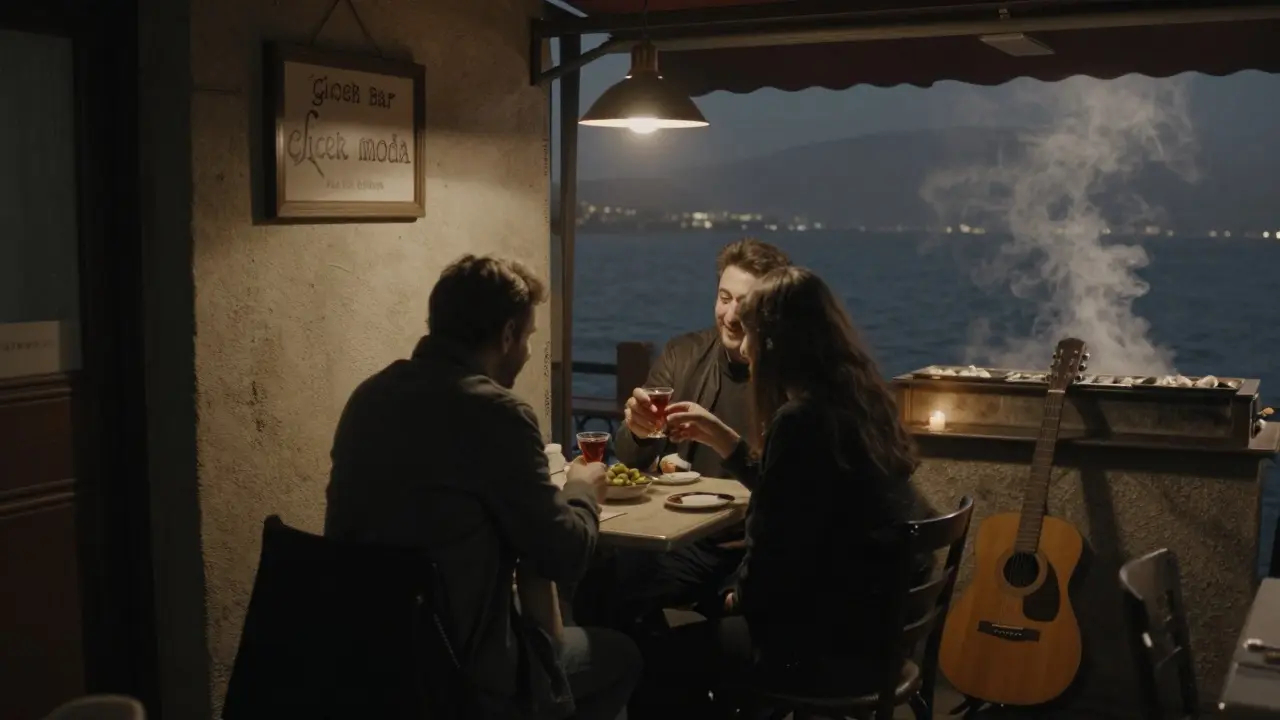
Çiçek Bar in Moda is a tiny, unmarked spot with no sign. You find it by the smell of grilled sardines and the sound of a single acoustic guitar. The owner, Mehmet, has been running it since 1987. He doesn’t take cards. He doesn’t have a website. He just nods when you walk in and says, “Same as always?” You say yes. He brings you a glass of raki and a plate of olives. You talk about the weather, the traffic, the new bridge. You don’t leave until 3 a.m.
In the same neighborhood, Bar 1922 is a speakeasy hidden behind a bookshelf. You need a password. You get it from a friend. Or you wait outside until someone lets you in. Inside, it’s all velvet curtains, leather armchairs, and whiskey aged in oak barrels from the Caucasus. The bartender knows your name by the third visit.
What to Expect: Rules, Risks, and Realities
Istanbul’s nightlife is welcoming-but it’s not Disneyland. Here’s what you need to know:
- Drinking is legal, but public intoxication is frowned upon. Don’t stumble down the street drunk. You’ll get ignored, not helped.
- Most clubs close by 3 a.m. Police start clearing the streets around 4 a.m. Don’t expect all-night parties like in Berlin or Ibiza.
- Women are safe in most venues, especially in Beyoğlu and Karaköy. But avoid unlit alleys after midnight. Stick to well-lit, busy areas.
- Cash is king. Many small bars don’t take cards. Keep Turkish lira on you-even if you’re paying for a drink that costs 500 TL.
- Respect the call to prayer. Even in clubs, music often lowers during the five daily calls. It’s not a disruption-it’s a moment of shared quiet.
When to Go: Seasons That Shape the Night
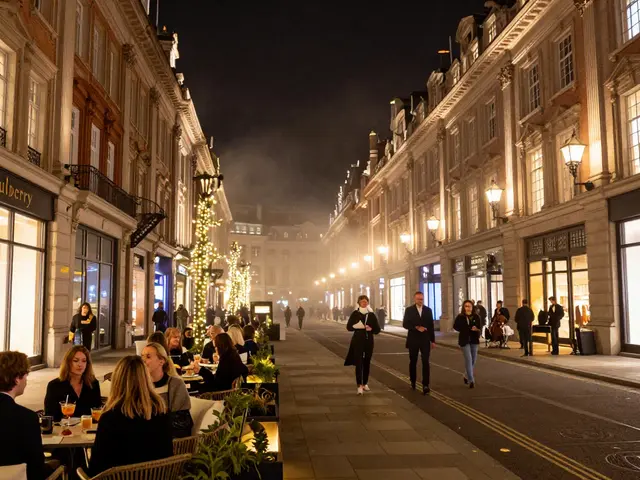
Winter in Istanbul is wet, cold, and surprisingly alive. From November to March, the city feels more intimate. Tourists are gone. The locals are still out. Bars are cozier. Music feels louder. The Bosphorus glows under foggy streetlights.
Summer? It’s packed. Reina and other outdoor venues fill up fast. If you want a table, book weeks ahead. But the real magic happens in spring and fall-when the air is crisp, the crowds are thin, and the city remembers how to breathe.
Plan your trip for April or October. You’ll get the best of both worlds: warm nights, fewer people, and the full spectrum of Istanbul’s nightlife-from rooftop cocktails to basement jazz.
Final Thought: It’s Not About the Night. It’s About the People.
Istanbul’s nightlife doesn’t live in the neon signs or the VIP sections. It lives in the way a stranger buys you a drink because you looked lost. In the old man who plays the ney for free outside the mosque. In the woman who smiles and says, “You’re still awake? Come, have more tea.”
This city doesn’t just host nightlife. It breathes it. And if you let it, it will change how you see the night forever.
Is Istanbul nightlife safe for solo travelers?
Yes, Istanbul’s nightlife is generally safe for solo travelers, especially in popular areas like Beyoğlu, Karaköy, and Moda. Stick to well-lit streets, avoid isolated alleys after midnight, and trust your instincts. Most locals are welcoming, and bars often look out for regulars. Women traveling alone report feeling safe in clubs and bars, but it’s wise to avoid overly crowded or unregulated venues.
What’s the best time to visit Istanbul for nightlife?
April to June and September to October are ideal. The weather is mild, tourist crowds are thinner, and the energy of the city feels more authentic. Summer (July-August) is lively but packed, while winter (December-February) offers a quieter, cozier vibe with fewer tourists and more local-only spots.
Can I drink alcohol in Istanbul?
Yes, alcohol is legal and widely available in Istanbul. You’ll find bars, pubs, and restaurants serving beer, wine, and raki throughout the city. While Turkey is a majority-Muslim country, Istanbul is secular and cosmopolitan. Drinking in moderation is normal, but public intoxication is discouraged and can attract unwanted attention.
Do I need to dress a certain way for Istanbul clubs?
Most clubs in Istanbul have no strict dress code. Casual chic works everywhere-from jeans and a nice shirt in Karaköy to cocktail dresses at Reina. Avoid sportswear or flip-flops in upscale venues. In traditional or cultural spots like Asitane, modest clothing is appreciated but not required. The key is to blend in: look put-together without trying too hard.
Are there any nightlife spots that are only for locals?
Yes. Places like Çiçek Bar in Moda, Bar 1922 behind the bookshelf, and small wine bars in Kadıköy rarely see tourists. These spots rely on word-of-mouth, cash payments, and regulars. You won’t find them on Google Maps. Ask a local bartender for a recommendation-or just wander the side streets after 11 p.m. If you see a crowd laughing and drinking on a quiet corner, you’ve found one.


Write a comment