Moving Past Dinner to Pure Appreciation
Most tourists assume a night out in London means crowded clubs or pub crawls. If you are a serious wine drinker, those venues miss the point entirely. You want texture, terroir, and atmosphere without the thumping bass drowning out the conversation. As we move through 2026, the capital has evolved. There is no longer a shortage of places dedicated purely to the liquid gold in the bottle. Some function as late-night libraries of flavor, while others operate like speakeasies for enthusiasts who care more about tannins than DJs.
The challenge isn’t finding a bar; it’s finding a venue that stays open when your flight home lands, or where the sommelier is still pouring rare vintages past midnight. A true connoisseur knows that the best glass after 11 PM comes wrapped in specific lighting conditions and corkscrew expertise. We aren’t talking about a quick pint of pinot before bed. We are talking about a destination experience where the pour is as precise as the timing.
West End Elegance: The Traditional Route
If your idea of a perfect night involves dimming lights and velvet upholstery, the West End delivers. This area is home to established establishments that treat wine with the same reverence as art galleries.
The Cellar Master Experience
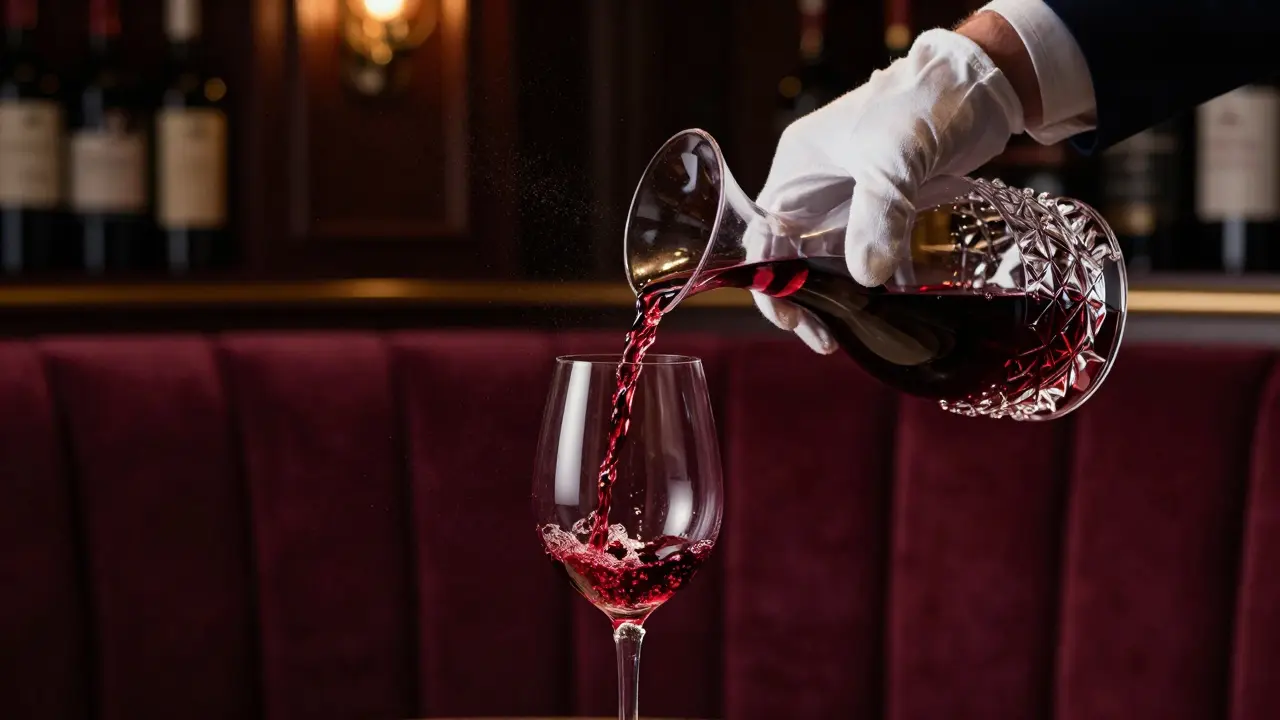
In Mayfair, several bars maintain cellars stocked with rare Bordeaux. One standout offers a “Vertical Tasting Hour” starting at 11:30 PM. They lay out three different years of the same vineyard. Imagine sitting there with a group, sipping through the aging process of a Saint-Estèphe from 2010 to 2015. The staff here wear white gloves and provide tasting cards explaining how the decanting changed the nose of the wine. It feels less like a bar and more like a private members’ club, but reservations usually require booking two weeks in advance.
This environment suits business deals. If you need privacy and discretion, Mayfair’s high-end bars offer soundproof booths where you can discuss sensitive topics while enjoying a Grand Cru Classé. Prices naturally reflect this exclusivity. A glass here isn’t just a drink; it’s a status symbol. Service is impeccable, though expect a bill that reflects the curated selection.
East End Revolutions: Natural and Organic Focus
Cross the river to Shoreditch or Soho, and the vibe shifts dramatically. Here, the focus turns toward the Natural Wine Movement. These bars emerged around 2020 and exploded by 2026. They prioritize biodynamic farming, organic practices, and unfiltered pours.
The Weekend Market Vibe
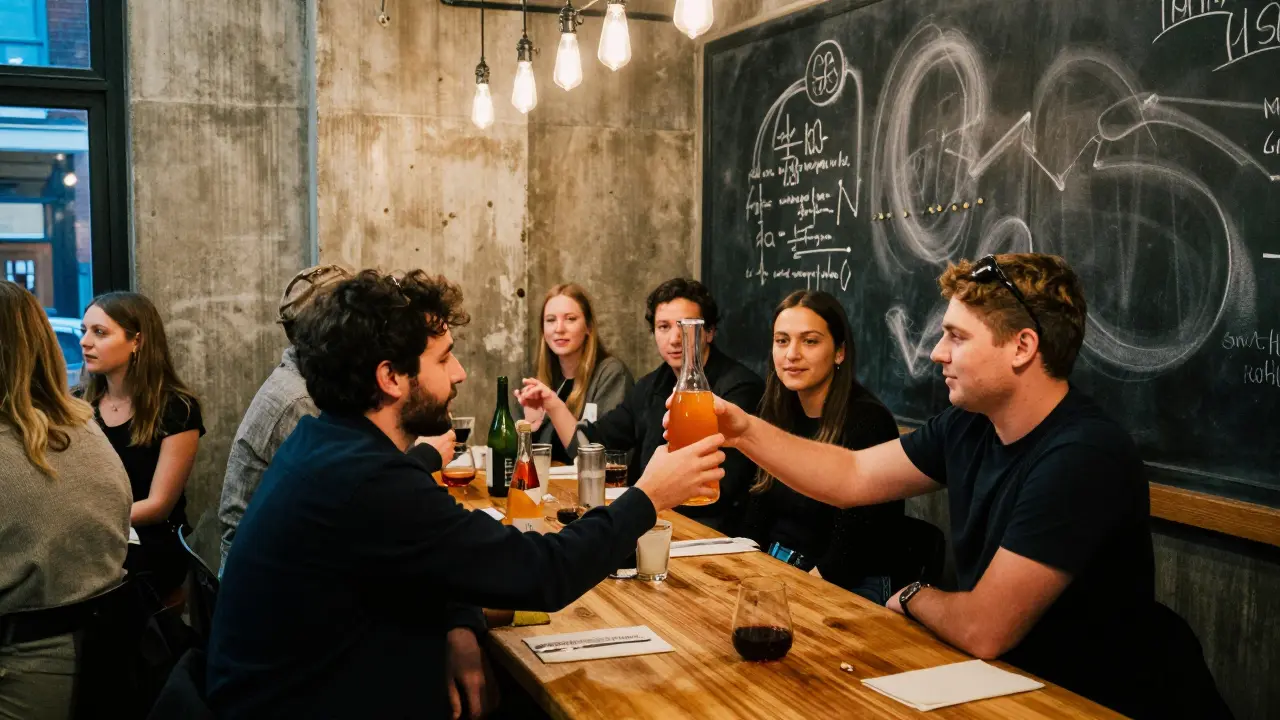
Unlike the stiff atmosphere of the West, East London wine spots feel alive. You might find concrete floors, industrial lights, and chalkboards listing producers by region rather than brand. The owners here are often the buyers themselves. Ask about the grapes, and the staff will tell you which hillside in Sicily the harvest came from. It’s educational drinking.
These venues often stay open until 2 AM on weekends. They focus on lesser-known regions like Georgia Qvevri wines or Slovenian orange wines. You won’t see many people ordering champagne flutes here; instead, groups share carafes of skin-contact whites. It’s communal, messy, and incredibly fun. It attracts young professionals who reject the pretension of traditional oenology.
The Hidden Cellar: Private Rooms and Secret Locations
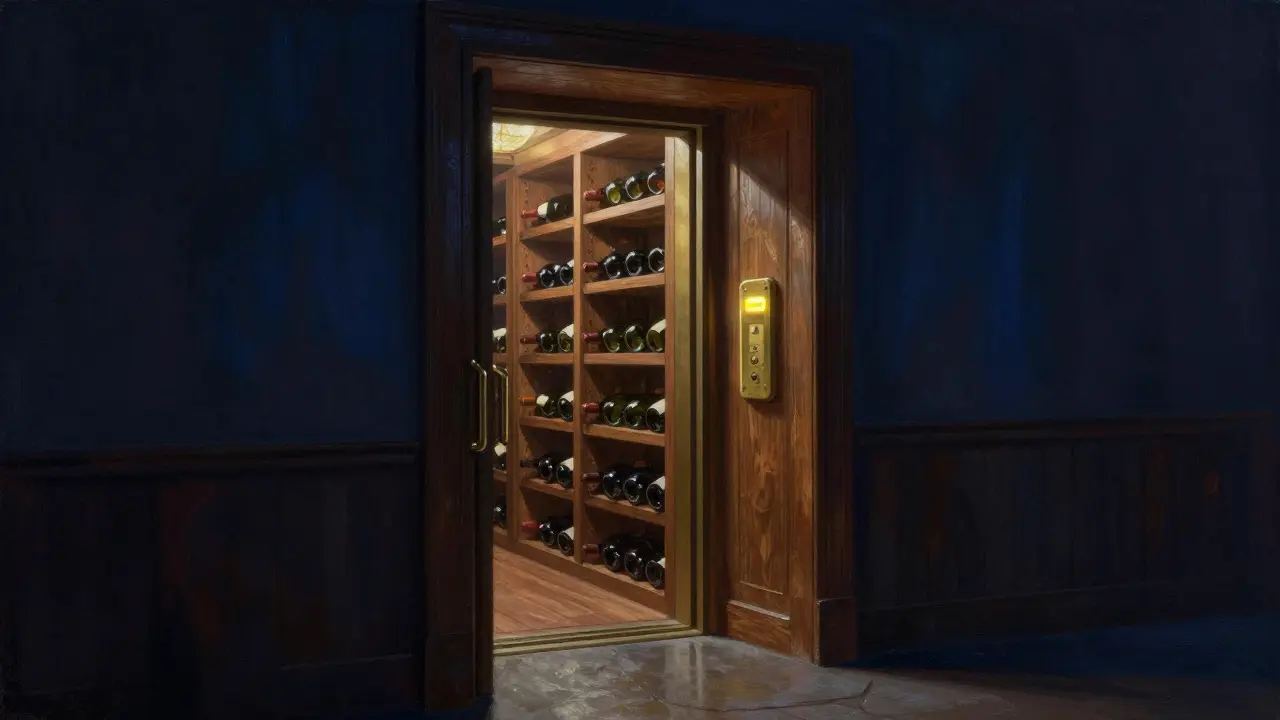
Some of the most exclusive options aren’t listed on Google Maps. In Knightsbridge and Clerkenwell, private wine lounges exist inside restaurants but operate independently at night. You access them via a discreet elevator behind a restaurant kitchen door.
Why Go Underground?
These spaces cater to collectors. They stock wines that are too delicate for general public storage. Think limited release Barolo Riserva or pre-phylloxera ports. The temperature control here is museum-grade. Access requires a membership or a referral code provided by a concierge. Once inside, you get a sommelier-led flight. It’s a quiet night away from the chaos, focusing entirely on the palate.
Pricing and Value Structure
Navigating costs requires understanding the difference between “bottle service” and “glass sharing.” Many top-tier venues now offer “Sommelier Flights” for £35-50 per person. This includes three samples with professional guidance. While steep, it prevents waste and gives you access to bottles costing £300+ elsewhere. Conversely, natural wine bars sell half-bottles for £25-£40. It allows you to explore without commitment.
Venue Type
Avg Cost per Glass
Service Style
Vibe
West End Cellars
£30 - £80
Fine Dining Formal
Quiet, Elegant
East End Naturals
£15 - £35
Casual, Educational
Lively, Social
Private Members
Members Only
Personalized Sommelier
Exclusive, Silent
How to Navigate London Wine Culture Like a Pro
To maximize your night, book early. Even informal spots get crowded after 8 PM on Fridays. Don’t ask for a house wine; ask what the manager is drinking. That’s where the passion lies. Bring cash or Apple Pay for deposits if entering a member’s club. Finally, learn the basics of sensory analysis. Knowing the difference between oak-driven Malolactic Fermentation and fresh acidity shows staff you respect their craft, opening doors to reserved bottles.
Can I bring my own wine to these bars?
Generally, no. UK licensing laws are strict. Most venues do not allow corkage unless you are a member of a private club. Always call ahead to confirm policy.
What time do wine bars close in London?
Standard bars close by 11 PM, but licensed wine lounges often stay open until 1 AM on weekdays and 2 AM on weekends. Mayfair clubs may have extended hours for members.
Is reservation required for natural wine spots?
Weekday walk-ins are common. For Friday/Saturday nights, especially during vintage season (Oct-Dec), booking 3 days prior is highly recommended to avoid waiting.
Do they serve food with the wine flights?
Many specialized bars offer cheese boards and charcuterie pairings. Some partner with local bakeries for bread baskets, avoiding heavy meals that ruin the palate.
Are prices higher in 2026 compared to previous years?
Yes, due to import tariffs and inflation. Expect 10% higher rates than 2024, particularly for French imports. Spanish and Italian wines remain relatively stable in price.



Write a comment