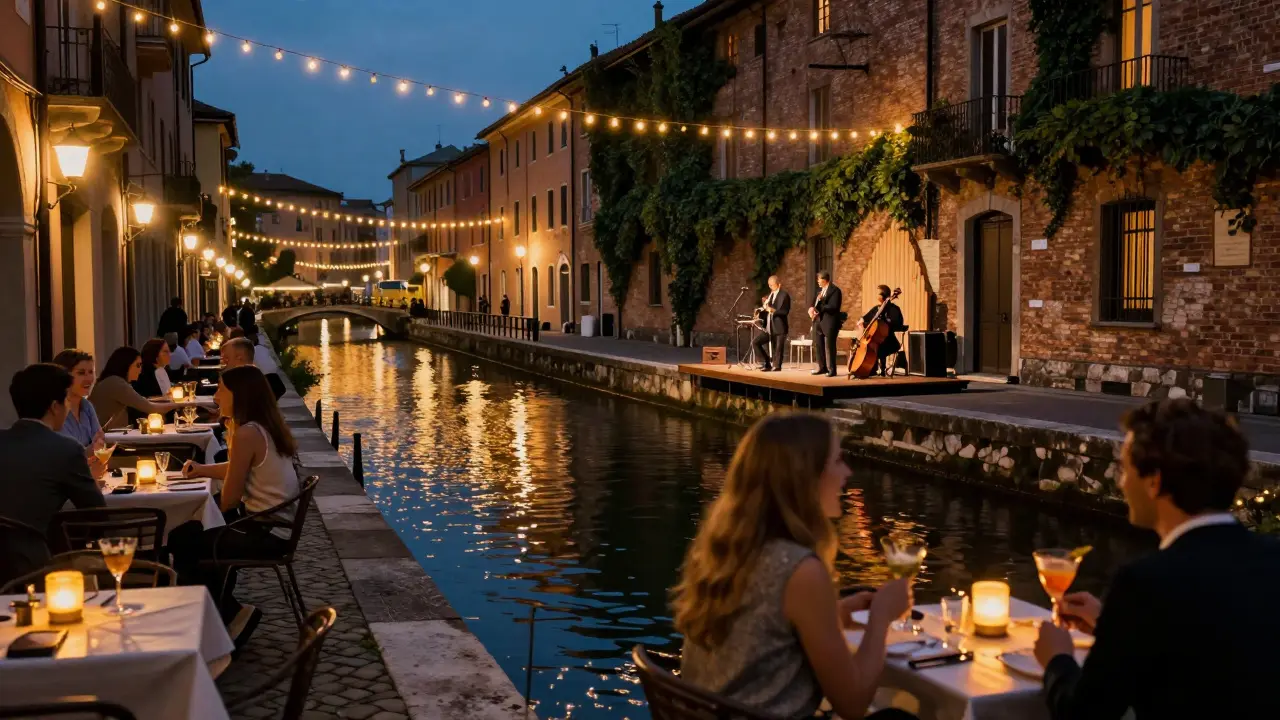
When the sun sets in Milan, the city doesn’t sleep-it transforms.
Forget the daytime rush of fashion shows and designer boutiques. After 10 p.m., Milan becomes a pulsing mix of hidden speakeasies, rooftop lounges, and legendary clubs that draw locals and visitors alike. This isn’t just about drinking. It’s about the rhythm of the city-the way the lights glint off the Duomo’s spires, the hum of Italian chatter over gin cocktails, the bass thumping through brick walls in Navigli. If you want to experience Milan after dark, you need to know where to go, when to show up, and what to expect.
Start in Navigli: Where the Canals Come Alive
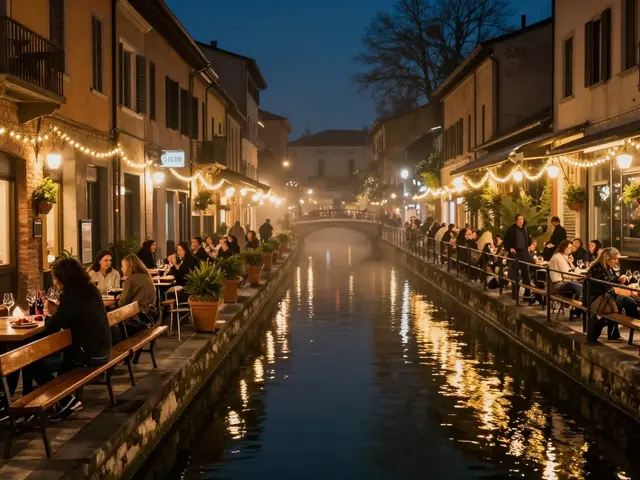
Head south to the Navigli district, where two canals meet and the nightlife spills onto cobblestone streets. This is where Milan’s creatives unwind after work. On Friday and Saturday nights, bars like La Zanzara and Bar Basso fill up by 10 p.m. La Zanzara serves craft cocktails in a converted 19th-century warehouse, with live jazz on weekends and a patio that overlooks the water. Bar Basso, a historic spot since 1956, is famous for inventing the Negroni Sbagliato-order one and watch the bartender mix it with precision.
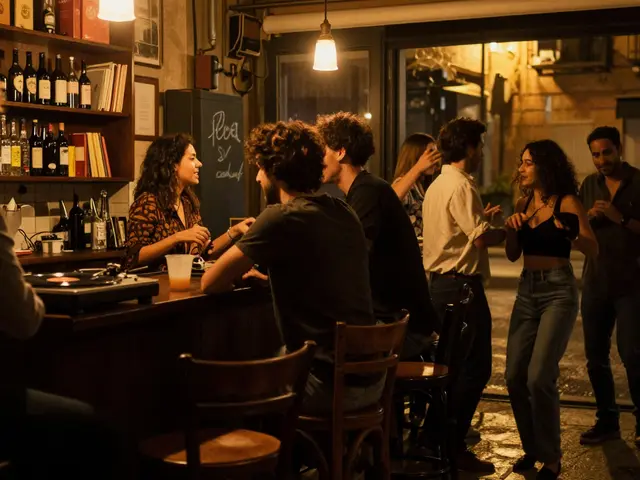
Don’t expect loud EDM here. Navigli is about conversation, slow sips, and people-watching. Locals bring their own snacks from the nearby market. If you want to keep the night going past midnight, walk toward Via Tortona-many bars here turn into informal dance floors by 1 a.m., with vinyl-only playlists and no cover charge.
Brera: Sophistication with a Side of Swagger
Brera is Milan’s answer to Paris’s Saint-Germain-des-Prés. Narrow streets, art galleries, and candlelit terraces define this neighborhood. The vibe here is polished but not pretentious. Bar Basso has a sister spot here called Bar del Teatro, where the cocktails are more experimental-think lavender-infused gin with smoked salt rims. It’s the kind of place where a 70-year-old professor might be next to a 25-year-old fashion designer, both debating the latest Biennale.
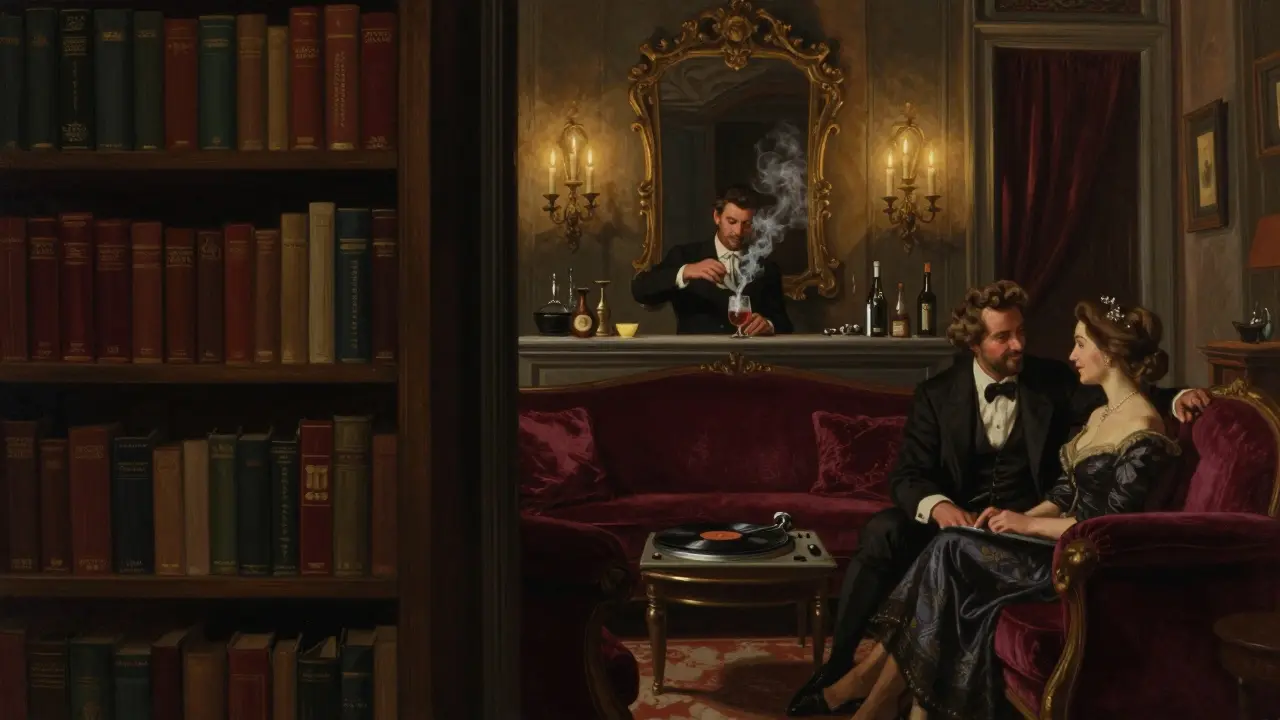
For something more intimate, try Il Salotto. It’s hidden behind a bookshelf in a 17th-century palazzo. You need a reservation, and the staff won’t tell you the password unless you’ve been there before. Once inside, you’ll find a dimly lit room with velvet couches, old vinyl records, and a mixologist who asks what mood you’re in before crafting your drink. No menu. Just trust them.
Porta Venezia: The Wild Card
Don’t skip Porta Venezia if you want diversity. This neighborhood is where Milan’s LGBTQ+ scene, expats, and underground music lovers collide. Bar Basso isn’t the only icon here-La Bussola has been a queer-friendly staple since 1983. It’s small, loud, and full of energy. On Thursday nights, they host drag bingo. On Saturday, DJs spin disco, house, and Italo-dance from the 80s and 90s.
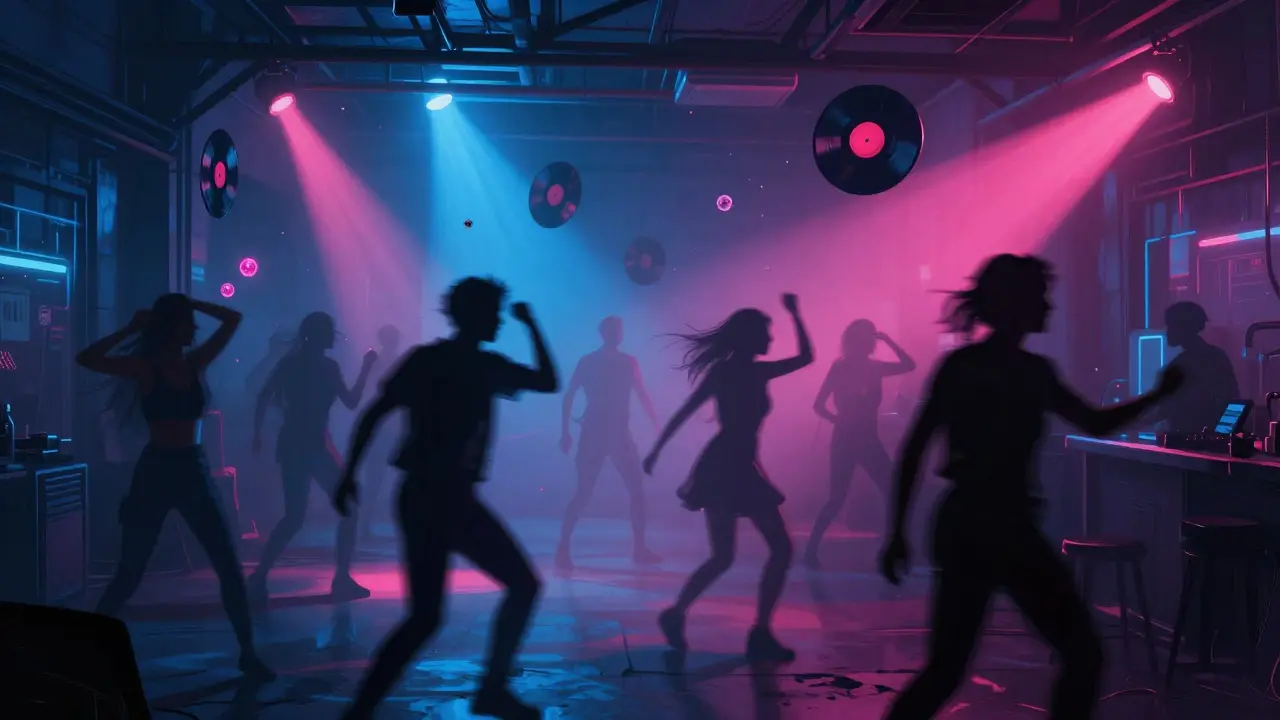
For a more recent addition, check out Club 100. It’s not a traditional club. It’s a warehouse with no sign, just a single red light. You find it by asking someone who’s been there. Inside, it’s all neon lights, fog machines, and DJs who play rare vinyl from Berlin and Tokyo. No VIP section. No bottle service. Just music, sweat, and strangers becoming friends by 3 a.m.
San Babila and the Club Scene: Where the Elite Dance
If you’re looking for the kind of clubbing that makes headlines, head to San Babila. This is where the fashion crowd and international visitors go when they want to see-and be seen. Le Clan is the most exclusive. It’s in a former bank building, with velvet ropes, velvet couches, and a dress code that’s strictly enforced. No sneakers. No hoodies. No tourists with cameras. The bouncer checks your outfit before you even step inside.
Inside, it’s all low lighting and slow beats. The music is curated by DJs from London and Ibiza. You won’t hear Top 40 hits. You’ll hear deep house, techno, and ambient electronica. The crowd? Mostly Italian models, designers, and collectors from Milan’s art world. It’s not cheap-cocktails start at €18, and a table reservation can cost €300 minimum. But if you want to feel like you’re in a Giorgio Armani ad, this is the place.
For a slightly more accessible option, try Magazzini Generali. It’s a converted industrial space with three rooms: one for jazz, one for electronic, and one for live bands. It’s open until 5 a.m. and doesn’t require a reservation. You’ll find students, architects, and retired opera singers all dancing side by side.
What to Know Before You Go
- Timing matters. Most bars don’t fill up until after 10 p.m. Clubs rarely get busy before midnight. Show up too early, and you’ll be the only one there.
- Dress code is real. Even in casual spots like Navigli, avoid flip-flops and athletic wear. Italians notice. In San Babila, you’ll be turned away if you’re not dressed to impress.
- Cash is still king. Many smaller bars and clubs don’t take cards. Carry €20-€50 in cash, especially if you’re heading to Porta Venezia or hidden spots.
- Language isn’t a barrier. English is widely spoken in nightlife areas, but learning a few Italian phrases-“Un bicchiere di vino rosso, per favore”-gets you better service.
- Don’t expect late-night food. Most places close their kitchens by 1 a.m. Grab dinner before you go, or head to Trattoria Milanese near Piazza Duomo-they stay open until 2 a.m. for pasta and ossobuco.
Where to Go Based on Your Vibe
Not everyone wants the same kind of night out. Here’s how to pick your path:
- For romance: Bar Basso (Navigli) or Il Salotto (Brera). Quiet, intimate, with great drinks.
- For dancing: Club 100 (Porta Venezia) or Magazzini Generali. Music-first, no pretense.
- For people-watching: La Zanzara (Navigli) or Le Clan (San Babila). You’ll see Milan’s elite, creatives, and tourists all in one place.
- For something unexpected: Ask a bartender where they go after their shift. The best spots aren’t on Google Maps.
Seasonal Shifts: What’s Different in Winter?
Winter in Milan is cold, but the nightlife doesn’t slow down. In fact, it gets more intimate. Rooftop bars like Terrazza Aperol on the top of the La Rinascente department store turn on heaters and string lights. They serve mulled wine and hot chocolate with grappa. The crowds are smaller, so it’s easier to get a table.
Some clubs close in January for maintenance, but others open pop-ups. Look out for Winter Sound, a monthly underground event in a disused train station near Lambrate. It’s free to enter, runs until dawn, and features DJs from across Europe. No flyers. Just word of mouth.
Final Tip: The Real Secret
The best night in Milan isn’t the one you plan. It’s the one you stumble into. Maybe you follow a group of locals laughing outside a bar you didn’t notice. Maybe you get lost walking from Navigli to Brera and end up in a basement jazz club with no name. That’s when you’ll taste the real Milan-where the music is live, the drinks are strong, and the night feels like it was made just for you.
What’s the best time to visit Milan for nightlife?
Late spring through early fall (May to September) is peak season-outdoor bars are open, and the energy is high. But winter nights (November to February) are quieter and more authentic. Many locals prefer them because the crowds are smaller and the vibe is cozier. Clubs like Magazzini Generali and Club 100 stay open year-round.
Are Milan clubs safe for tourists?
Yes, Milan’s nightlife areas are generally safe. Stick to well-known districts like Navigli, Brera, and San Babila. Avoid poorly lit side streets after 2 a.m. Pickpocketing is rare, but always keep your phone and wallet secure. Most clubs have security, and bouncers are trained to handle trouble. If something feels off, leave and call a taxi-there are plenty of reliable ones like Free Now or MyTaxi.
Do I need to make reservations for bars or clubs in Milan?
For most bars in Navigli and Brera, no-just show up. But for exclusive spots like Le Clan or Il Salotto, reservations are required. Book through their websites or call ahead. Some clubs like Magazzini Generali don’t take reservations at all. If you’re visiting on a weekend, arrive before midnight to avoid long lines.
How much should I budget for a night out in Milan?
A casual night out-three drinks and a snack-will cost around €40-€60. If you’re going to a high-end club like Le Clan, expect €100-€200, especially if you’re buying drinks or a table. Cocktails in trendy bars run €15-€22. Beer is €6-€9. Skip the tourist traps near the Duomo-they overcharge.
Is there a dress code for Milan nightlife?
Yes, and it’s taken seriously. In Brera and San Babila, smart casual is the rule: no shorts, no sneakers, no hoodies. In Navigli and Porta Venezia, it’s more relaxed, but still avoid gym clothes. Italians dress with intention-even if it’s just a nice shirt and dark jeans. When in doubt, dress one level up from what you think is appropriate.

Write a comment