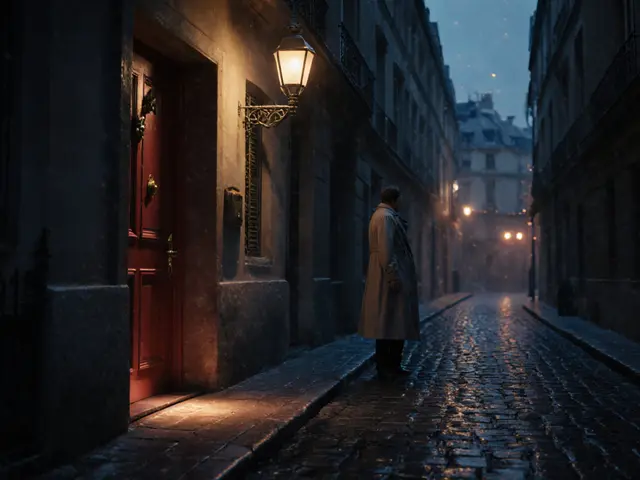
Paris doesn’t shut down when the sun goes down-it transforms.
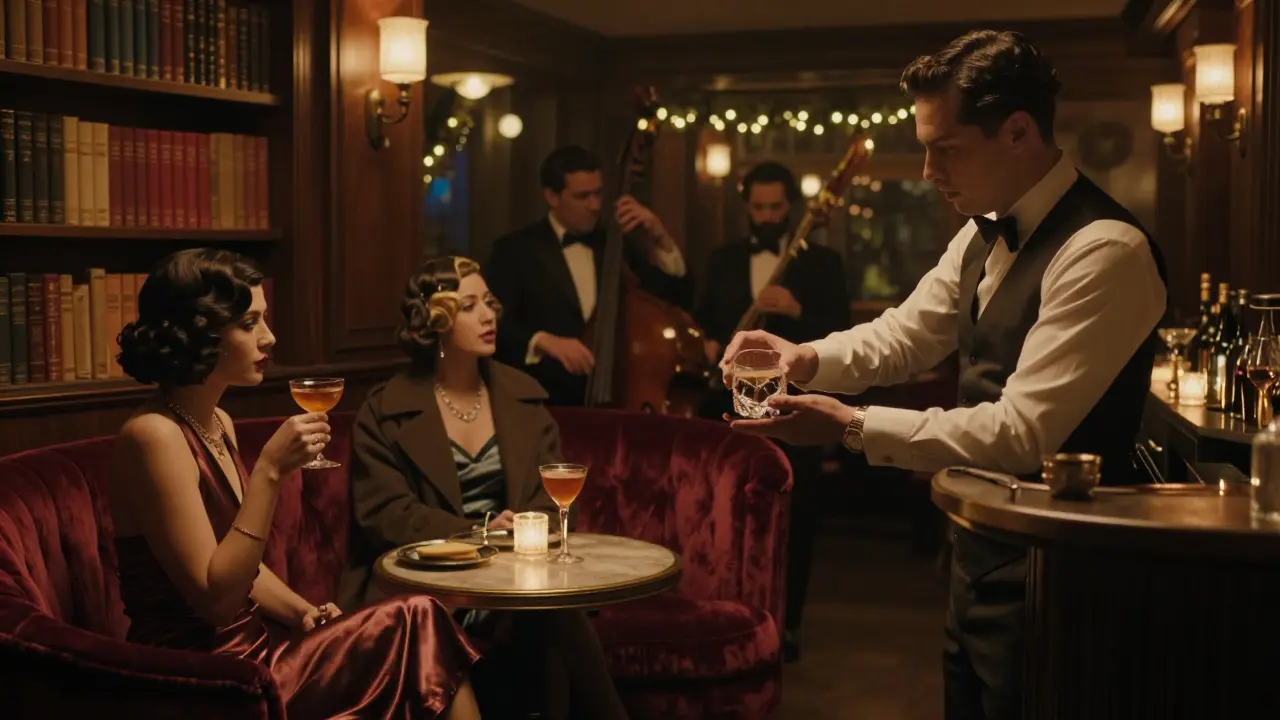
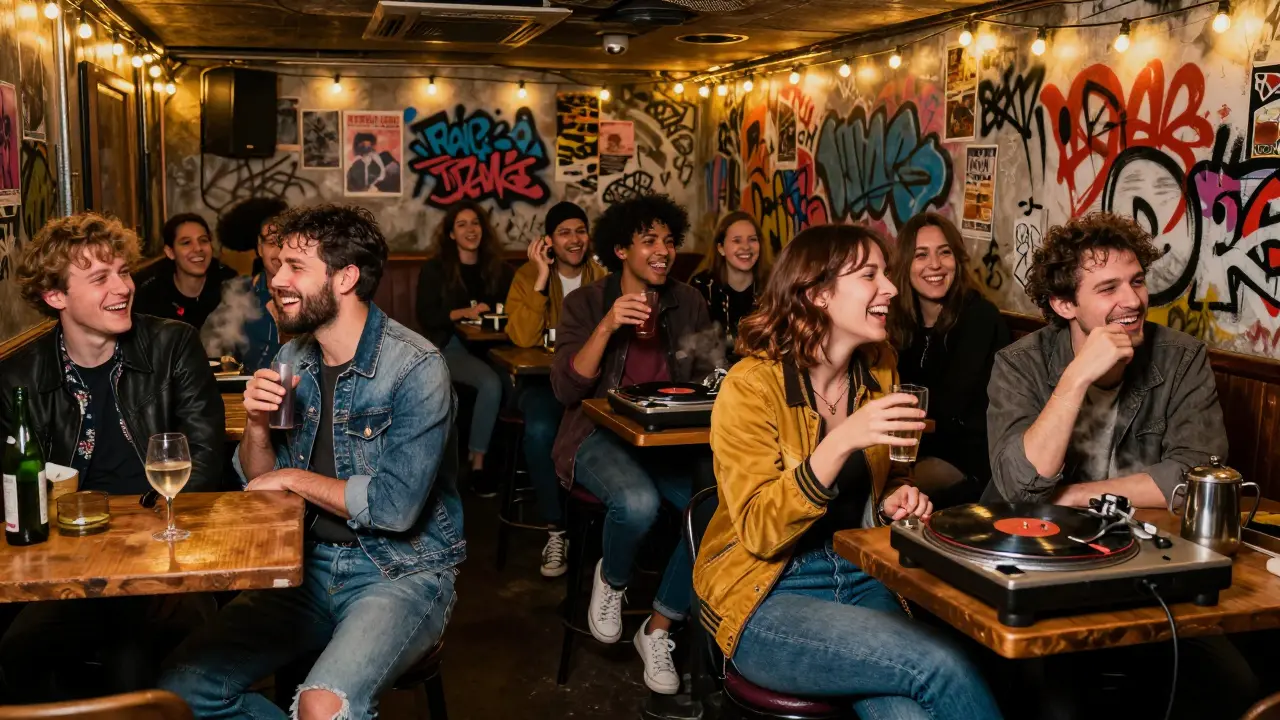
One night you’re sipping champagne in a velvet-lined lounge where the music is soft and the crowd wears tailored coats. The next, you’re standing shoulder-to-shoulder in a basement bar in Belleville, laughing with strangers over cheap wine and vinyl records spinning at 4 a.m. That’s Paris nightlife: no single vibe, no single crowd, no single dress code. It’s layered, unpredictable, and deeply personal.
Where the elite still gather: the classic swanky spots
If you’re looking for the Paris that made headlines in the 1920s, head to Le Comptoir Général in the 10th arrondissement. It’s not a club, not a bar-it’s a curated experience. Think dim lighting, antique furniture, live jazz, and cocktails named after French poets. The crowd? Lawyers, artists, and expats who’ve been coming here for a decade. You won’t find bottle service here, but you will find a bartender who remembers your name and what you drank last time.
For something more formal, Le Baron in the 8th arrondissement still draws a glittering mix of fashion insiders, musicians, and international guests. Entry isn’t guaranteed-you might wait 20 minutes just to get past the velvet rope. But once you’re in, the energy shifts. The bass hums through the floor. The lighting changes with each song. This isn’t just dancing-it’s performance art.
These places don’t advertise on Instagram. They don’t need to. Their reputation runs on word-of-mouth, exclusivity, and a strict door policy that feels less like gatekeeping and more like curation.
The hidden gems: where locals go when they’re done with the tourist traps
Head east, past the Seine, into the 11th and 12th arrondissements. Here, the nightlife is raw, real, and refreshingly unpretentious.
Le Dauphin in the 11th is a wine bar that turns into a dance party after 11 p.m. No bouncers. No cover charge. Just a small room, a DJ spinning French indie rock, and a crowd of 20-somethings in jeans and sneakers. The wine list? All natural, all organic, all under €10 a glass. You’ll find students, chefs, and retirees all sharing the same table.
Down the street, La Belle Hortense is a legendary jazz cellar. It’s been open since 1987. The walls are stained with decades of smoke and laughter. The owner, a retired saxophonist, still plays on Sundays. You don’t book a table here-you show up, grab a stool, and listen. No one rushes you. No one checks your shoes.
These spots don’t have Instagram accounts. They don’t have websites. But they’ve survived because they’re not trying to sell you an image. They’re just places where people come to be themselves.
Neighborhood shifts: how each arrondissement has its own rhythm
Paris isn’t one city after dark-it’s ten. Each neighborhood has its own pulse.
- Le Marais: Gay-friendly, artsy, and packed with rooftop bars. Think gin cocktails with edible flowers and DJs spinning disco remixes. The vibe is polished but playful.
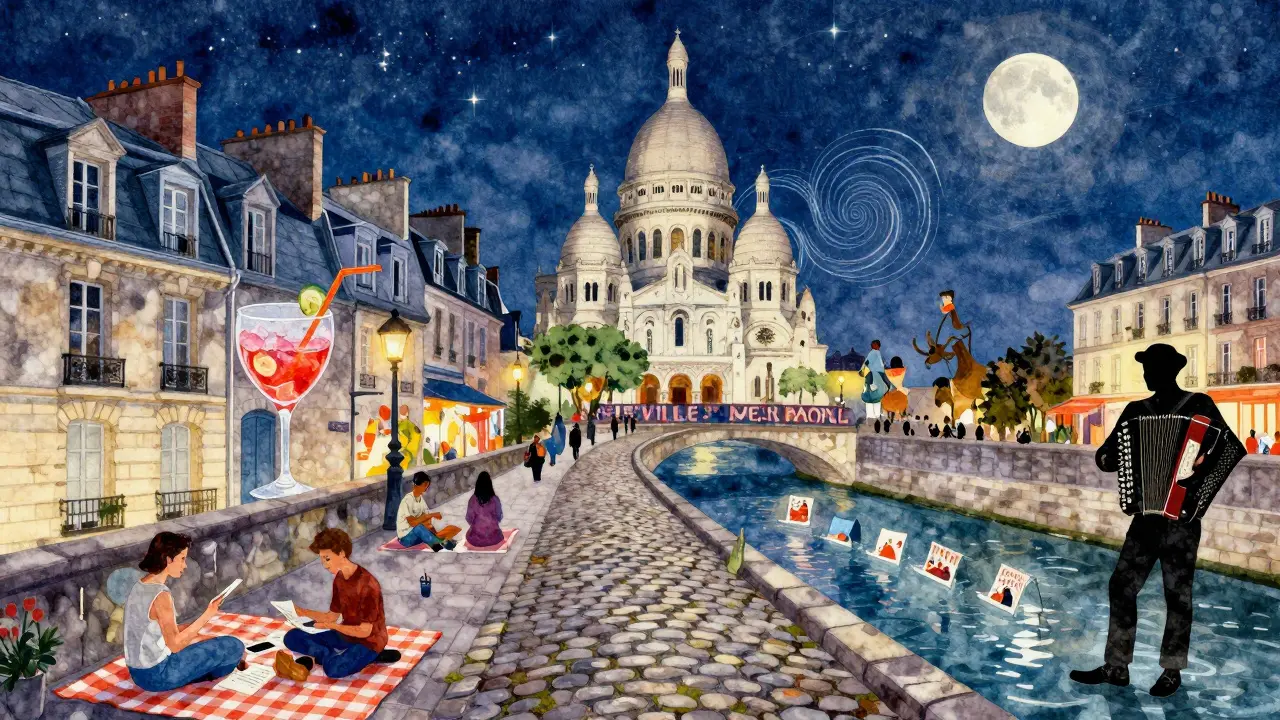
- Montmartre: Tourist-heavy by night, but if you wander up the side streets past 1 a.m., you’ll find tiny cabarets with live accordion music and locals singing along.
- Belleville: The most diverse. Ethiopian bars next to Vietnamese noodle shops that turn into karaoke dens. You’ll hear Korean pop, Senegalese drums, and French rap all in one block.
- Canal Saint-Martin: The chill zone. Picnic blankets on the banks, craft beer from local microbreweries, and people reading poetry under string lights. It’s the kind of place where you stay until sunrise without realizing it.
- 15th and 16th arrondissements: Quiet. Elegant. Think wine bars with candlelit tables and no music louder than a whisper. This is where Parisians go when they want to talk, not dance.
Dress code? It’s whatever you want it to be
You don’t need a designer suit to get into a Paris bar. You don’t need a sequin dress to dance at a club. The city has grown out of its old rules.
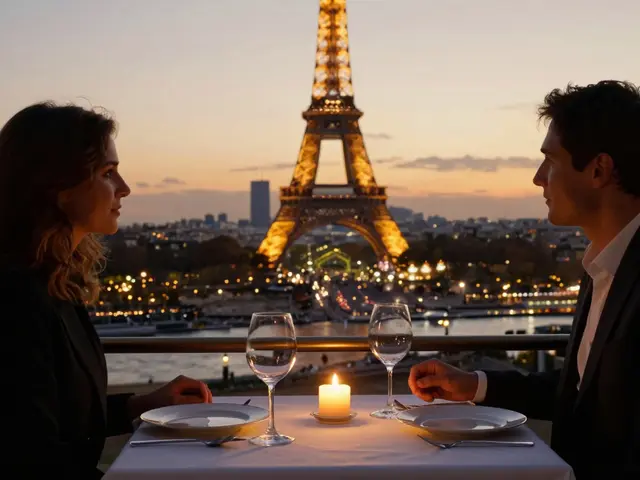
At Le Perchoir, a rooftop bar with panoramic views of the Eiffel Tower, you’ll see people in tailored blazers next to those in hoodies. The rule? Be clean, be respectful, and don’t show up in flip-flops. That’s it.
At La Machine du Moulin Rouge, a modern cabaret in Pigalle, the dress code is playful: think vintage glam or avant-garde streetwear. No one checks your shoes. But if you show up in pajamas? You’ll get a smile and a free cocktail for effort.
The truth? Parisians care more about how you carry yourself than what’s on your back. Confidence matters more than labels. A well-fitted thrift store jacket beats a logo-heavy outfit any night.
What’s changed since 2020
Paris nightlife didn’t just bounce back after the pandemic-it evolved.
Bars that used to close at 2 a.m. now stay open until 4 or 5, especially in the 11th and 19th arrondissements. Why? Because people want to stay out longer. They want to eat after midnight. They want to dance without rushing.
Many venues now host “slow nights”-no DJs, no strobe lights, just ambient music and dim lighting. These are for people who want to talk, not just drink. You’ll find writers, therapists, and retirees sipping tea at 1 a.m. in places like La Chope des Puces.
And the drinks? Less sugar, more depth. Natural wines are everywhere. Craft gin distilleries have popped up in former laundromats. Zero-proof cocktails are no longer a niche-they’re the new standard.
How to navigate it all without feeling lost
You don’t need a guidebook. You don’t need a VIP list. You just need to move slowly and pay attention.
- Start early. Most places don’t get busy until after 10 p.m. Arrive at 9:30 and you’ll get the best seat.
- Walk. Paris is walkable. Skip the Uber. Let your feet lead you. You’ll stumble on places no app will ever recommend.
- Ask the bartender. Not for a recommendation. Ask what they’re drinking tonight. Their answer will tell you more than any review.
- Don’t chase the “most popular” spot. The best nights happen in the places no one talks about.
- Respect the rhythm. If a bar is quiet, don’t turn up the music. If it’s loud, don’t whisper. Match the energy.
Final thought: Paris nightlife isn’t a checklist
It’s not about ticking off the “top 10 clubs” or taking a photo in front of a neon sign. It’s about the person you become when you let go of expectations.
Maybe you’ll end up dancing with a retired opera singer in a 1970s-style disco in the 18th. Maybe you’ll share a bottle of wine with a local artist who’s just finished painting all night. Maybe you’ll sit in silence on a rooftop, watching the city lights flicker, and realize you haven’t checked your phone in three hours.
That’s the real Paris nightlife. It doesn’t perform for you. It lets you perform for yourself.
Is Paris nightlife safe at night?
Yes, most areas are safe if you stay aware. Stick to well-lit streets and avoid isolated alleys after 2 a.m. Tourist-heavy zones like Montmartre can get crowded and pickpocket-prone, but neighborhoods like Le Marais, Canal Saint-Martin, and the 11th are consistently calm. Trust your gut-if a place feels off, walk away. Parisians are generally helpful if you ask for directions or advice.
Do I need to book tables in advance?
Only for the biggest spots-Le Baron, Le Comptoir Général, or rooftop bars during weekends. Most local bars, wine cellars, and neighborhood joints don’t take reservations. Just show up. If it’s full, walk two blocks. There’s always another place open.
What’s the average cost for a night out in Paris?
You can have a full night for under €30. A glass of wine at a local bar costs €6-€8. A cocktail at a trendy spot? €12-€16. Cover charges are rare outside of clubs like Le Baron (€10-€20). Food after midnight? A croissant and coffee at 3 a.m. will run you €5. Skip the tourist traps and you’ll save big.
Are there any bars that are open 24 hours?
No true 24-hour bars exist in Paris, but some stay open until 5 or 6 a.m., especially in the 11th, 19th, and 20th arrondissements. Places like La Belle Hortense and Le 1000° are known for late-night hours. If you’re still out after 6 a.m., head to a boulangerie-many open at 5 a.m. with fresh bread and espresso.
What’s the best time to experience Paris nightlife?
Friday and Saturday nights are liveliest, but Tuesday to Thursday are where the real magic happens. Crowds are smaller, prices are lower, and the atmosphere is more relaxed. Locals often save their best nights for midweek. If you want to feel like you’re part of the city-not just visiting it-go midweek.
Can I go out alone in Paris at night?
Absolutely. Paris is one of the most solo-traveler-friendly cities in Europe. Many bars have single seats at the bar. Cafés encourage lingering. People are used to seeing solo diners and drinkers. You’ll be fine as long as you’re polite, aware, and not overly loud. Don’t be afraid to strike up a conversation-Parisians often do.
Next time you’re in Paris, skip the guidebook. Walk. Listen. Let the city show you its night. You’ll find more than a party-you’ll find a rhythm that stays with you long after you leave.



Write a comment