Millions of travelers visit Milan for fashion, food, and art-but the real magic happens after dark. This city doesn’t just turn on the lights at night; it explodes into a pulse of music, cocktails, and energy that lasts until sunrise. If you think Milan is all about designer boutiques and quiet cafés, you’re missing half the story. The nightlife here isn’t flashy like Ibiza or chaotic like Berlin. It’s sleek, stylish, and surprisingly diverse. Whether you want a quiet aperitivo under string lights or a dance floor packed with locals in designer tracksuits, Milan delivers.
Where the locals go after work
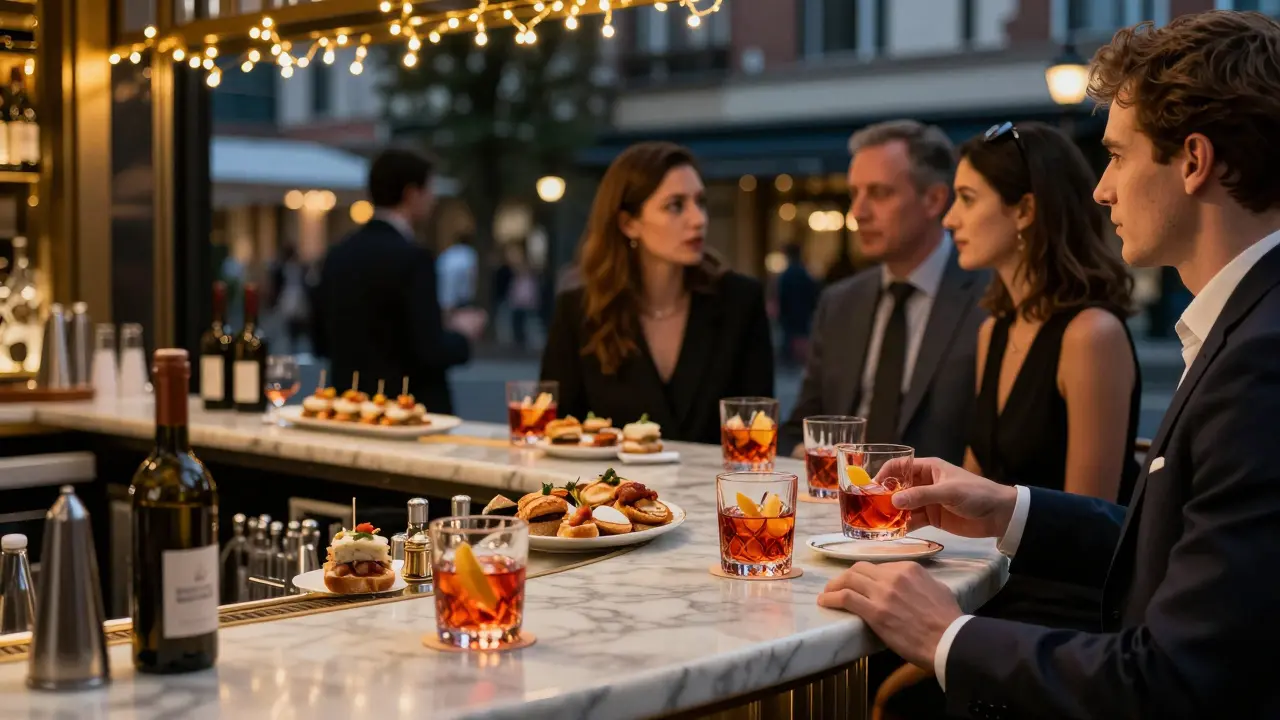
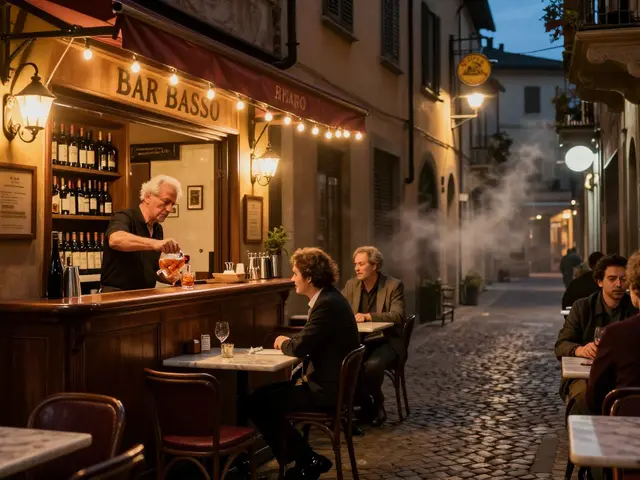
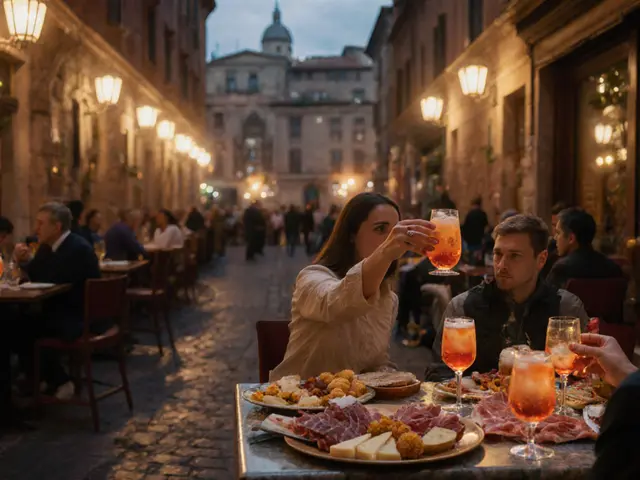
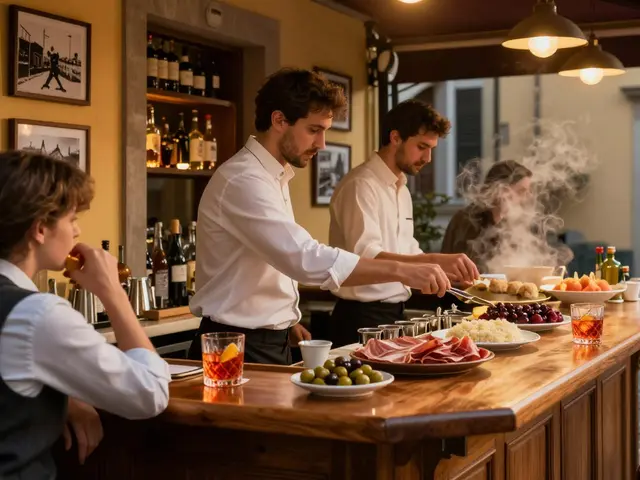
Most Milanese don’t start their night until 10 p.m. That’s when the aperitivo ritual kicks off. It’s not just a drink-it’s an experience. Head to Bar Basso in the Porta Nuova district, where the Negroni Sbagliato was invented. You pay around €12-18 for a cocktail, and the bar gives you a spread of snacks: crostini, mini sandwiches, salads, even hot pasta. It’s not a free buffet, but it’s close enough. The crowd? Young professionals, designers, and expats who know the rules: no loud voices, no flip-flops, and definitely no showing up before 9 p.m.
For something less touristy, try La Bicocca in the Navigli area. This place doesn’t have a sign. You find it by the line outside. The drinks are strong, the music is indie rock or deep house, and the vibe is pure Milanese cool. Locals come here after work to unwind, not to be seen. If you want to blend in, skip the branded hoodies. Wear dark jeans, a fitted jacket, and leave the selfie stick at the hotel.
Clubs that actually matter
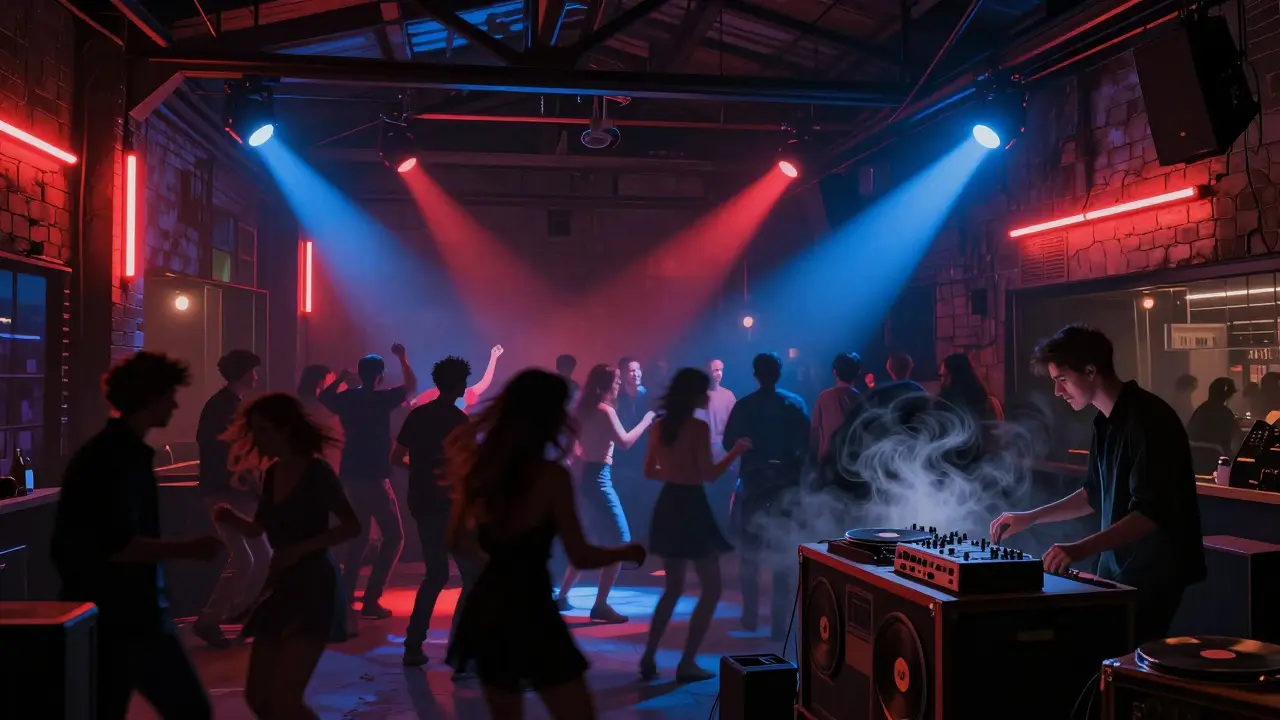
Milan’s club scene is split into two worlds: the underground and the elite. If you’re looking for real underground, Teatro degli Orrori is the place. It’s in a converted theater in the Lambrate neighborhood. No velvet ropes, no bouncers checking your ID twice. Just industrial lights, bass that vibrates your ribs, and a crowd that dances like no one’s watching. The DJs play techno, experimental electronica, and rare vinyl from the 90s. Entry is €10 after midnight. You won’t find this on Instagram.
For the high-end experience, Bocconi is the name. It’s not a club-it’s a membership-only space with a private bar, velvet booths, and a sound system that costs more than your car. You need to be on the guest list or know someone who is. The dress code? Tailored black. No sneakers. No hats. No exceptions. It’s not for everyone, but if you’ve ever wondered what a Milanese billionaire’s night out looks like, this is it.
Don’t skip Armani/Privé if you’re staying at a luxury hotel. It’s attached to the Armani Hotel and opens at 11 p.m. The music is smooth jazz, soul, and rare disco. The crowd is older-40s and up-but they know how to move. It’s quiet, classy, and feels like a secret. You don’t need to be rich to get in, but you do need to look like you belong.
Neighborhoods that come alive at night
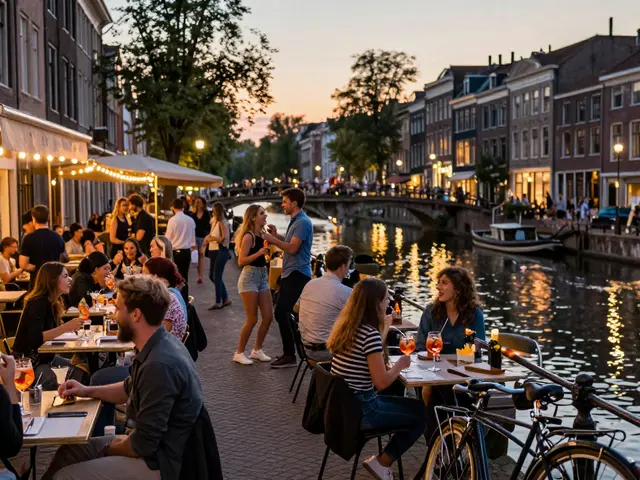
Navigli is the heart of Milan’s evening scene. The canals are lit with lanterns, and every bar spills onto the sidewalk. Start at Bar del Ghiaccio for a spritz and a plate of cured meats. Then wander down to La Pergola, where the terrace overlooks the water and the music is live acoustic. By 1 a.m., the crowd thins out, but the energy stays warm.
Brera is quieter but more romantic. The streets are narrow, the lights are dim, and the bars are tucked into old buildings. Bar Basso is here too, but so is Il Giardino di Brera, a hidden garden bar with a fireplace and a cocktail menu written on parchment. It’s perfect for a slow night with someone special.
Lambrate is where the real party starts. It’s not glamorous, but it’s authentic. This neighborhood used to be industrial. Now, it’s packed with pop-up bars, art galleries, and clubs that open on weekends. Spazio 900 is a warehouse turned nightclub with a rooftop and a DJ booth that doesn’t stop until 6 a.m. The crowd is young, diverse, and totally unbothered by trends. This is where you’ll find the future of Milan nightlife.
What to wear (and what to avoid)
Milan doesn’t have a strict dress code, but it has unspoken rules. You won’t get turned away for wearing jeans-but you might get side-eyed if they’re ripped or covered in logos. Shorts? Only if it’s summer and you’re at a beach bar. Sneakers? Fine if they’re clean and minimalist. But if they’re bulky, neon, or have a giant swoosh, you’re signaling you’re not from around here.
Men: A well-fitted jacket over a simple t-shirt works. No tank tops. No flip-flops. No baseball caps.
Women: A little black dress is safe. So are tailored trousers and a silk blouse. Heels? Optional, but they help you blend in. Avoid anything too flashy-no sequins, no animal prints, no oversized handbags.
The rule of thumb? Look like you could walk into a gallery opening. Not like you just got off a plane.
When to go out-and when to skip it
Weekends are packed. Friday and Saturday nights are the busiest. If you want to avoid crowds, go on Thursday. The clubs are still open, the music is better, and the lines are half the length. Sunday nights? Quiet. But if you’re in Lambrate, Spazio 900 sometimes has late-night jazz sets that go until dawn.
Summer (June-August) is when the city transforms. Outdoor terraces take over piazzas. Pop-up bars appear on rooftops. The Milano Summer Festival brings live music to public squares every night. This is the best time to experience the city’s nightlife in full swing.
Winter? Don’t write it off. The indoor clubs are better than ever. The crowds are smaller. The drinks are warmer. And the locals? They’re more relaxed, more real.
How to get around safely
Public transport runs until 1:30 a.m. on weekdays and 2:30 a.m. on weekends. After that, you’ll need a taxi or ride-share. Use the official FreeNow app-it’s cheaper than Uber here. Avoid unmarked cabs. The metro stops running early, but the night buses (N lines) cover most key areas. Know your stop. Lambrate, Porta Venezia, and Navigli are all well-served.
Never walk alone after 2 a.m. The city is safe, but the streets are dark, and the sidewalks are uneven. Stick to main roads. If you’re lost, ask a bartender. They’ll call you a cab.
What to drink
Start with an aperitivo: Aperol Spritz, Negroni, or Americano. All are served with ice, citrus, and a side of snacks. Move to wine after midnight-Milan has some of Italy’s best local labels. Try Franciacorta for sparkling, or Barolo if you’re feeling bold.
For cocktails, look for places that make their own syrups and use fresh herbs. Bar Basso, Il Salotto, and La Sera are top picks. Avoid places that list “signature cocktails” with names like “Milan Sunset” or “Fashion Queen.” Those are for tourists.
How to avoid tourist traps
Steer clear of bars with English menus, giant neon signs, or waiters shouting “Hey! Come in!” If it’s on a main tourist street like Via Torino or near the Duomo, it’s overpriced and underwhelming. The best spots are tucked away in side alleys, behind unmarked doors, or on the second floor of old buildings.
Check Instagram-but don’t follow influencers. Look for posts tagged #milannightlife with local usernames. If a bar has 500+ photos tagged and all of them are taken at 9 p.m., it’s probably a tourist trap. Real spots have photos taken after midnight, with blurry lights and real smiles.
And never pay more than €20 for a cocktail. If you do, you’re paying for the view, not the drink.
What to do after the clubs close
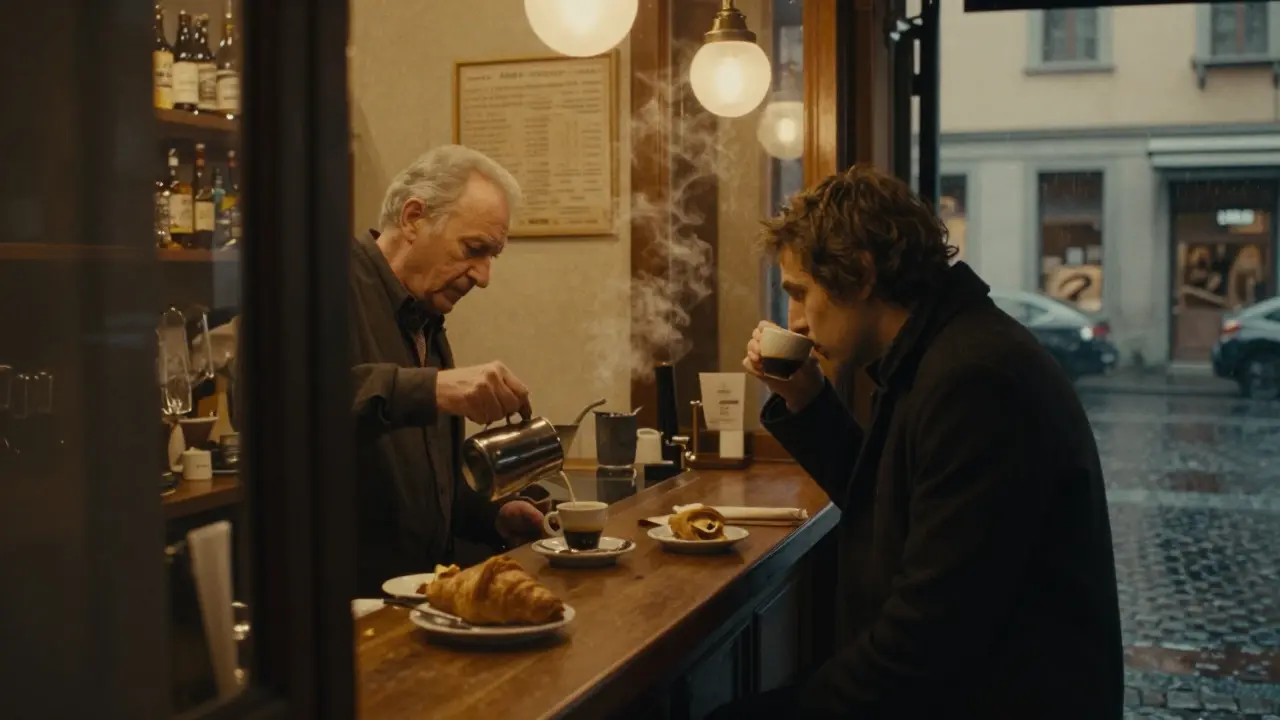
Some bars stay open all night. Bar Luce in the Brera district opens at 11 p.m. and serves espresso and cornetti until 6 a.m. It’s run by a 70-year-old man who doesn’t care if you’re drunk or sober. He just makes coffee and nods.
Or head to La Cucina di Nonna in Porta Romana. It’s a 24-hour trattoria with handmade pasta and red wine on tap. The staff doesn’t rush you. They’ll bring you a plate of ravioli and a glass of Chianti at 3 a.m. and ask if you’re ready to go home yet.
That’s Milan nightlife: it doesn’t end when the music stops. It just changes pace.
Is Milan nightlife safe for solo travelers?
Yes, Milan is one of the safest major cities in Europe for solo travelers at night. The streets are well-lit, police patrols are common in nightlife zones, and locals are generally respectful. Stick to main areas like Navigli, Brera, and Lambrate. Avoid poorly lit alleys after 2 a.m. and always use official ride-share apps if you’re not walking.
Do I need to book tables or get on guest lists?
For most bars and casual clubs, no. You can walk in. But for high-end spots like Armani/Privé or Bocconi, you’ll need a reservation or a guest list. If you’re staying at a luxury hotel, ask the concierge-they often have contacts. For underground clubs like Teatro degli Orrori, just show up after midnight. No lines, no fuss.
What’s the average cost of a night out in Milan?
You can have a full night out for €40-60. That includes two aperitivos (€15), one cocktail at a club (€12), a late-night snack (€10), and a taxi ride home (€10-15). If you’re splurging on a VIP table or high-end club, expect €100-200. But you don’t need to spend that much to have a great time.
Are there any age restrictions in Milan clubs?
Most clubs require you to be 18 or older. Some upscale venues, like Bocconi or Armani/Privé, enforce a 21+ rule. ID is always checked, even if you look older. Bring your passport or EU ID card. Non-EU travelers should carry their passport-it’s the only ID most bouncers accept.
When is the best time of year to experience Milan nightlife?
Late spring to early fall (May-September) is ideal. The weather is warm, outdoor terraces are open, and festivals like Milano Summer Festival bring live music to public spaces every night. But winter nights are quieter and more intimate. If you want to avoid crowds and still enjoy great music, November to February is surprisingly good.


Write a comment