Milan doesn’t shut down when the sun goes down-it wakes up. While the city is famous for fashion and design, its nightlife is just as sharp, diverse, and packed with character. Forget the clichés. This isn’t just about flashy clubs and overpriced cocktails. Milan’s after-dark scene is layered: hidden speakeasies, riverside bars with live jazz, underground techno dens, and cozy wine lounges where locals unwind without a camera in sight. If you want to experience it right, you need to know where to go-and when.
Start in Navigli: The River That Never Sleeps
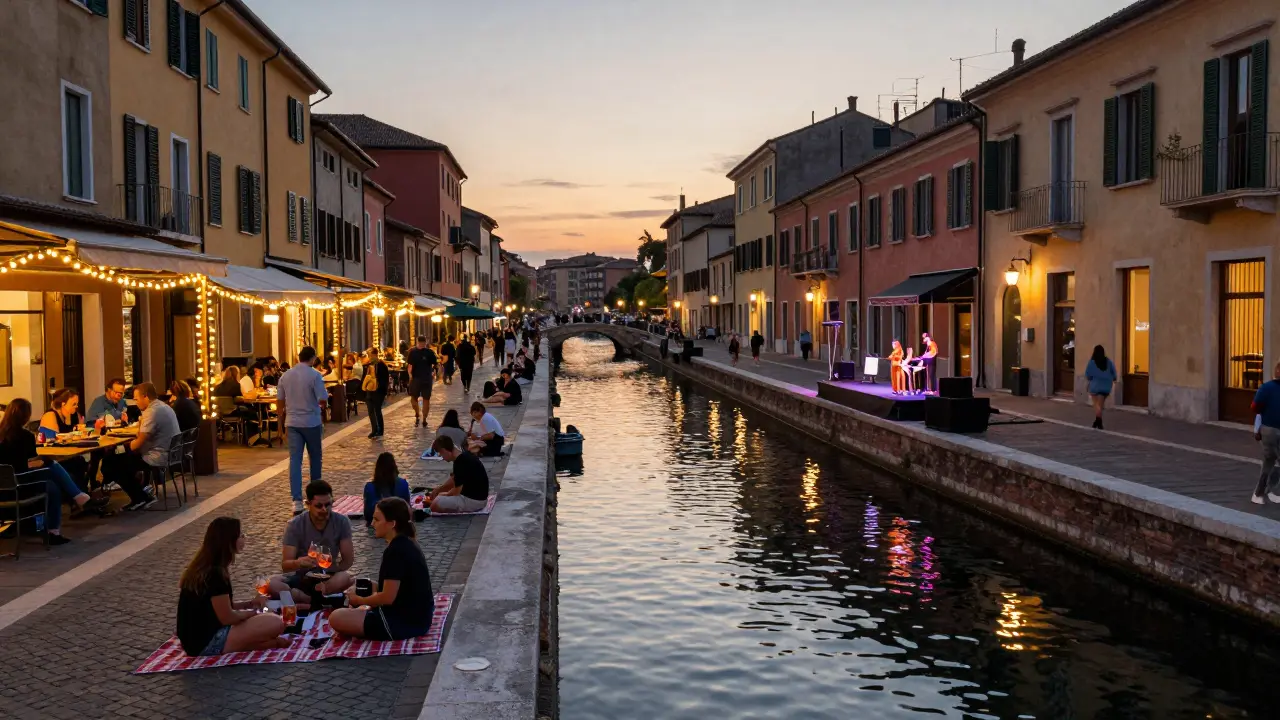
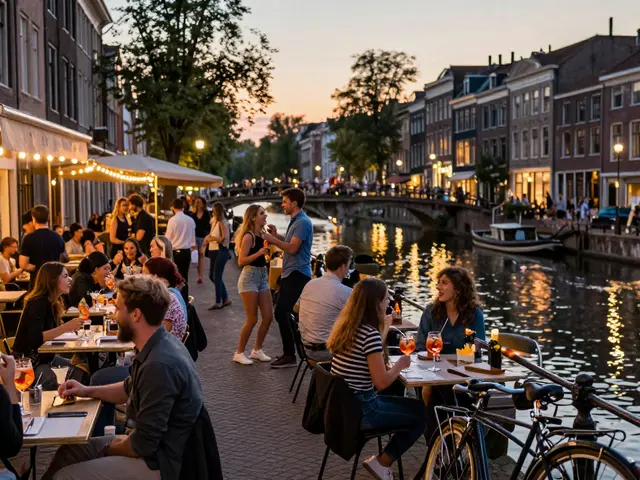
The Navigli district is where Milan’s nightlife began and still beats strongest. Two canals, lined with centuries-old brick warehouses, now house over 100 bars, restaurants, and music spots. On Friday and Saturday nights, the area turns into a flowing party. Locals bring picnic blankets, sip Aperol spritzes, and listen to acoustic sets from musicians perched on floating stages.
Don’t miss La Bicocca, a long-standing favorite tucked under a bridge. Their craft beer list changes weekly, and the outdoor terrace overlooks the water with string lights and vintage lanterns. If you’re into live music, head to Il Caffè della Musica-they host jazz and blues every night, no cover charge, and the crowd is mostly locals over 30. It’s not loud, but it’s real.
Pro tip: Come before 9 p.m. to grab a table. After that, it’s standing room only. And skip the tourist traps near Piazza Navona-those are overpriced and overhyped.
Brera: Where Art Meets Cocktails
Brera is Milan’s bohemian heart. Narrow cobblestone streets, Renaissance palaces, and art galleries by day turn into intimate wine bars and cocktail lounges by night. This is where professionals, artists, and expats come to talk, not to dance.
Bar Basso is the birthplace of the Negroni Sbagliato. Walk in, order one at the bar, and watch the bartender pour it with the same precision they’ve used since 1967. It’s not fancy, just perfect. If you want something more modern, try Bar del Fico-a tiny spot with a rotating cocktail menu based on seasonal ingredients. Their smoked apple and rosemary gin tonic is unforgettable.
Brera doesn’t have clubs. It has conversation. If you’re looking for a quiet night with good drinks and even better company, this is it.
Porta Ticinese: The City’s Most Authentic Party Zone
Just south of the city center, Porta Ticinese is where Milan’s youth culture thrives. This area blends grit and glamour-street art-covered walls, vintage record shops, and clubs that stay open until 6 a.m.
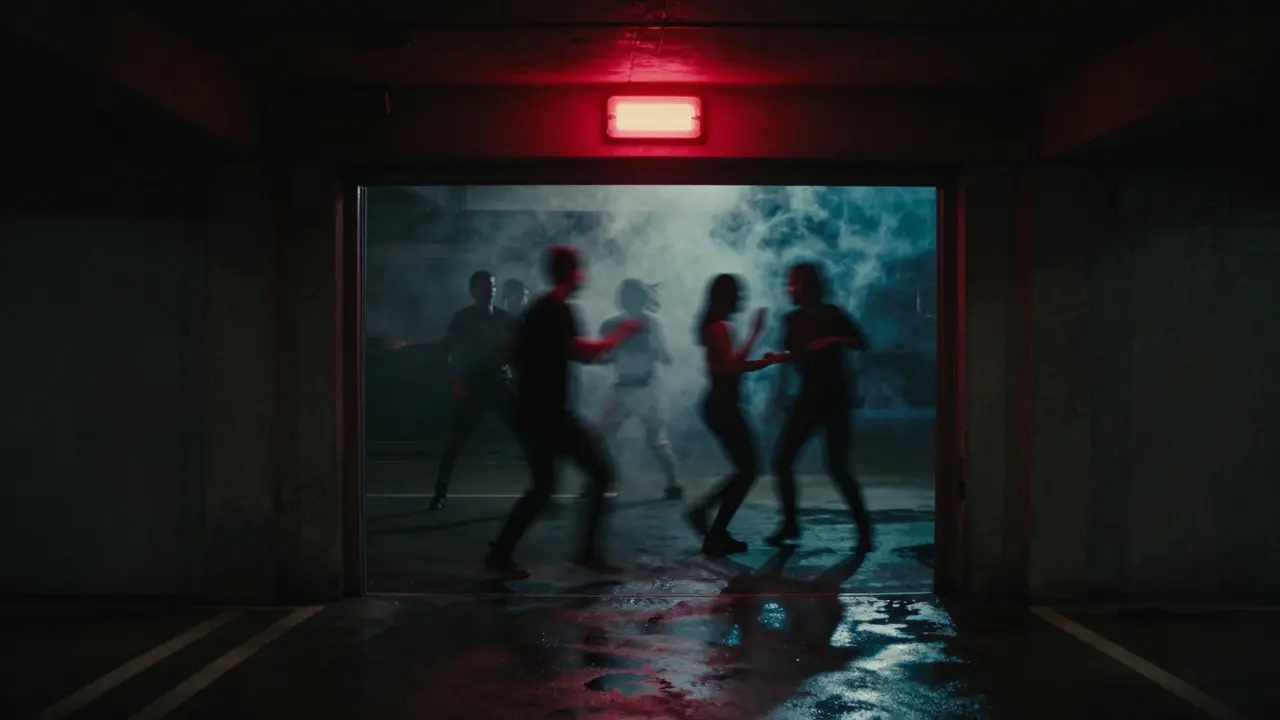
Officine Farneto is the go-to for underground electronic music. No sign on the door, just a red light. You need to know the password, or ask someone inside. It’s not for everyone, but if you like techno, house, or experimental beats, this is one of Europe’s best kept secrets. Tickets are €10, and the sound system is better than most clubs in Berlin.
For something more accessible, La Cova is a hybrid bar, record store, and live venue. They host indie bands on weekends and serve cheap craft beers. The vibe is casual, loud, and totally unpretentious. You’ll see students, designers, and older Milanese all dancing together.

Corso Como: The Glamour Side of Night
If you’re here for the luxury, the glamour, the Instagram moment-Corso Como is your spot. This stretch of the street is home to Corso Como 10, a members-only club that doubles as a design gallery and rooftop bar. It’s not open to the public, but if you know someone with access, or book a table in advance, you’ll get one of the best views in the city.
For the public, Bar Luce by Wes Anderson is a must. It’s a replica of a 1950s Milanese cafeteria, complete with Formica tables, pastel walls, and a jukebox playing Italian pop from the ’60s. Order a Campari soda and sit by the window. It’s not a club, but it’s a piece of cinematic history.
Corso Como is expensive. A cocktail here costs €18. But if you want to feel like you’re in a fashion magazine, this is where you do it.
Clubs That Actually Matter
Milan has more than 50 clubs, but only a handful are worth your time. Here are the three that consistently deliver:
- La Scala Club - Not the opera house. This is a legendary venue in the Porta Romana area. They play disco, funk, and soul on Friday nights. The crowd is mixed: tourists, locals, DJs from across Europe. The dance floor is small, but the energy is electric.
- Magazzini Generali - A massive warehouse space turned cultural center. They host big-name DJs every weekend, from underground techno to deep house. Entry is €15-25, depending on the act. The sound system is state-of-the-art, and the lighting is designed by artists, not technicians.
- Club 21 - A hidden gem under a parking garage. No website, no social media. Just a single door with a number on it. You need to text a number to get the password. Inside, it’s dark, sweaty, and packed with people who know exactly what they’re there for. It’s raw, real, and unforgettable.
Most clubs in Milan don’t open until midnight. Don’t show up at 10 p.m. expecting a party. The real energy starts after 1 a.m. and peaks around 3 a.m. That’s when the city truly comes alive.
What to Avoid
Not every place with a neon sign is worth it. Skip these traps:
- Tourist bars near Duomo - Overpriced drinks, fake “Italian” cocktails, and staff who don’t speak anything but English. You’re paying for the view, not the experience.
- Clubs with “VIP tables” on Instagram - These are designed to make you spend €300 on champagne just to sit in a corner. The music is often pre-recorded, and the crowd is mostly people taking selfies.
- Bars that charge cover before 11 p.m. - In Milan, if a place charges you to get in before midnight, it’s probably not the real deal.
Real nightlife doesn’t advertise. It whispers. You find it by asking the bartender, the shop owner, or the person next to you at the tram stop.
How to Get Around
Milan’s metro runs until 1:30 a.m. on weekdays and 2:30 a.m. on weekends. After that, you’ll need a taxi or rideshare. Uber is available, but local apps like Free Now and Ittaxi are cheaper and more reliable. A ride from Navigli to Porta Ticinese costs about €8-10.
Walking is fine if you’re staying in one district. But if you’re hopping between areas, don’t rely on your phone’s map. Many alleys and club entrances aren’t marked. Ask someone. Milanese people are friendly-if you say “Scusi, dove si va a ballare?” they’ll point you in the right direction.
Final Tip: Dress Like a Local
Milanese nightlife isn’t about flashy clothes. It’s about clean lines, good fabric, and confidence. Men wear dark jeans, a well-fitted shirt, and leather shoes. Women opt for tailored dresses or high-waisted pants with a silk top. No sneakers. No hoodies. No baseball caps.
You don’t need to spend a fortune. But you do need to look like you care. The bouncers notice. So do the people around you.
When to Go
Weekends are packed. If you want a quieter experience, go on a Thursday or Friday. The clubs are less crowded, the drinks are cheaper, and the vibe is more relaxed. Sunday nights are surprisingly good too-locals unwind with a drink after church, and the music is often more soulful.
Summer (June-August) is the peak season. The Navigli canals turn into open-air parties. Winter (December-February) is quieter, but the clubs are cozier, the crowds are smaller, and the music is deeper. If you’re here in December, don’t miss the Christmas markets that turn into night bars after 6 p.m.
What time do clubs in Milan usually open?
Most clubs in Milan don’t open until midnight. The real energy starts after 1 a.m., and the dance floors peak between 2 a.m. and 4 a.m. Arriving before midnight means you’ll be one of the first people there-and you’ll get better service.
Is Milan nightlife safe for tourists?
Yes, Milan is one of the safest major cities in Europe for nightlife. Violent crime is rare. But like any big city, watch your belongings in crowded areas. Pickpockets operate near tourist hotspots, especially around the Duomo and Navigli on weekends. Stick to well-lit streets, avoid flashing cash, and use a money belt if you’re carrying valuables.
Do I need to book tables in advance?
For popular spots like Magazzini Generali or La Scala Club, booking a table on weekends is smart-especially if you want to sit with a group. For smaller bars like Bar Basso or La Bicocca, walk-ins are fine. Never book a VIP table unless you know what you’re getting. Most are overpriced and not worth it.
What’s the average cost of a drink in Milan’s nightlife?
In Navigli or Brera, a cocktail or beer costs €8-12. In Corso Como or luxury clubs, expect €15-25. In underground venues like Club 21 or Officine Farneto, you’ll pay €6-10 for a drink. The best value? Go where the locals go.
Are there any dress codes I should know about?
Yes. Most clubs in Milan have a smart-casual dress code. No sneakers, no shorts, no tank tops for men. Women should avoid flip-flops and overly casual outfits. Bouncers at top venues check outfits at the door. If you look like you’re trying too hard, you might get turned away. If you look like you belong, you’ll walk right in.
Milan’s nightlife isn’t about being seen. It’s about being there. Whether you’re sipping a Negroni under the stars, dancing to a hidden techno beat, or laughing with strangers over cheap wine-you’ll leave with more than memories. You’ll leave with the rhythm of the city in your step.


Write a comment