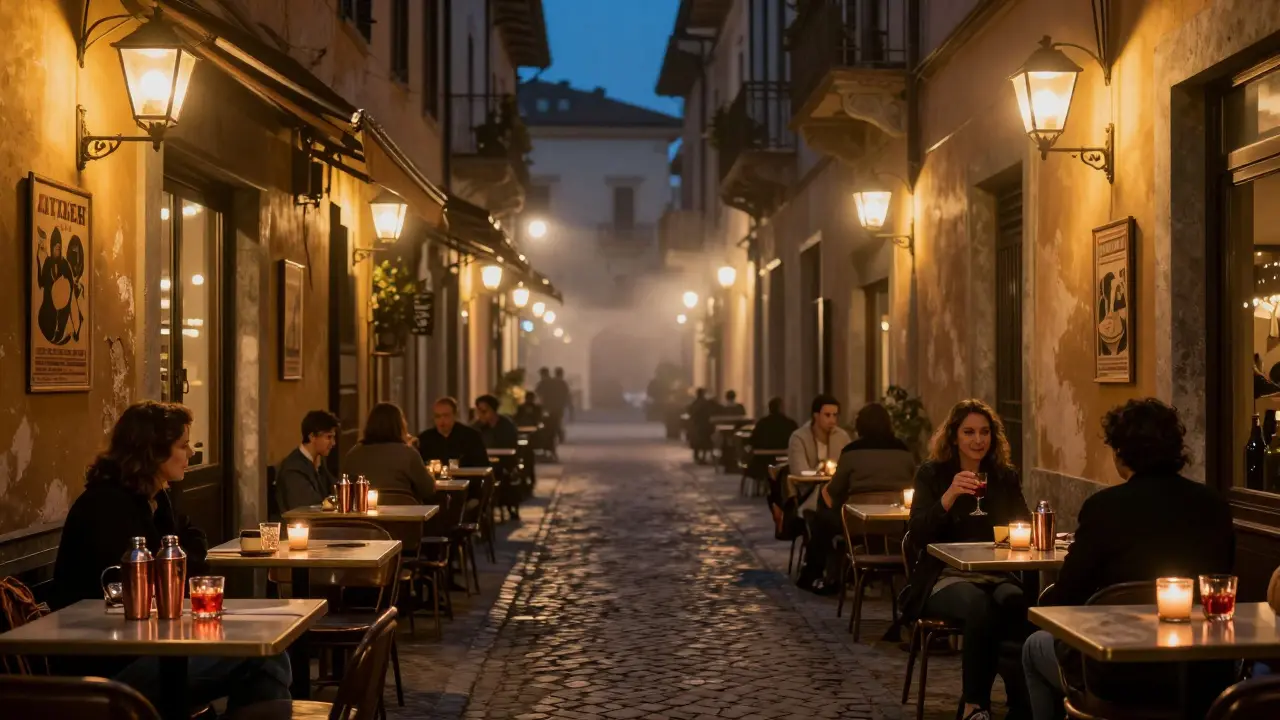
When the sun sets over Milan, the city doesn’t sleep-it switches gears. The same streets that buzz with fashion shows and designer boutiques by day transform into a pulsing maze of hidden cocktail lounges, rooftop bars, and underground clubs that stay open until dawn. This isn’t just a city that knows how to dress well; it’s a city that knows how to live well after dark.
Where to Start: Navigating Milan’s Night Zones
Milan’s nightlife isn’t one big party-it’s a collection of distinct scenes, each with its own vibe. If you’re new here, don’t just wander. Know where to go.
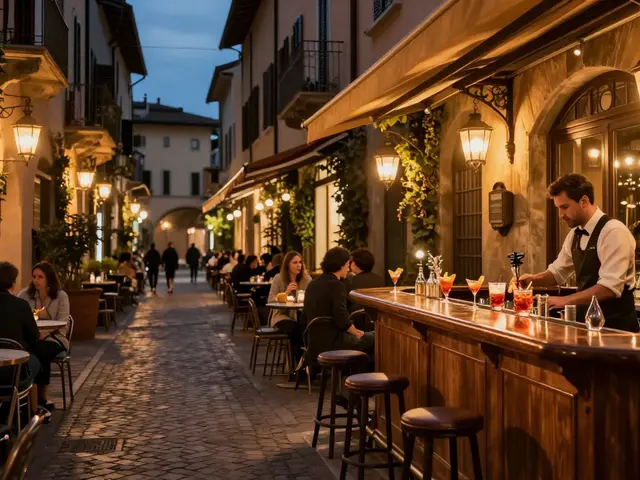
Brera is the quiet heart of Milan’s evening charm. Narrow cobblestone lanes, dim lighting, and intimate wine bars make this neighborhood ideal for slow sips and thoughtful conversation. Try Bar Basso for the original Negroni Sbagliato, a cocktail born right here in 1970 when a bartender accidentally swapped prosecco for gin. It’s still the best version in the city.
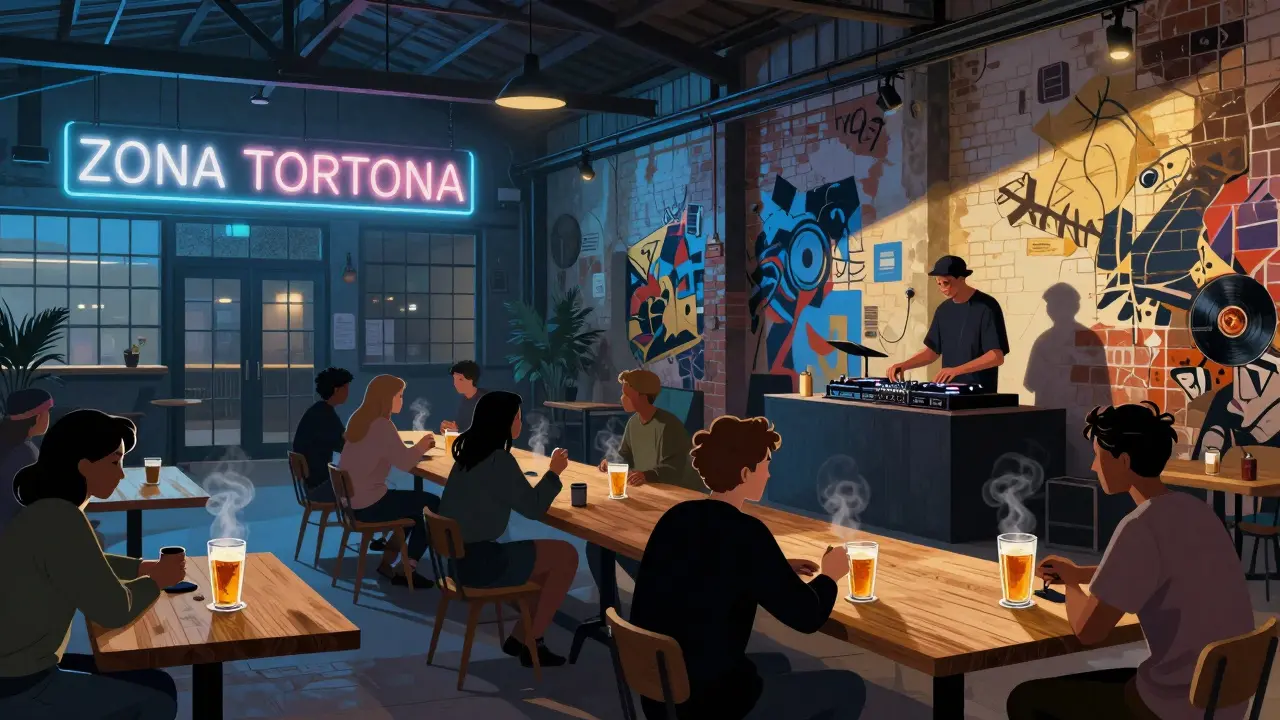
Zona Tortona is where Milan gets experimental. Once an industrial zone, it’s now a canvas for art galleries, pop-up bars, and late-night jazz spots. On weekends, you’ll find DJs spinning vinyl in converted warehouses, and locals gathering around long wooden tables with craft beers from local microbreweries like La Birreria and brewing 12 unique styles each season.
Porta Venezia is the city’s most diverse nightlife hub. Think Caribbean reggae nights, Latin salsa clubs, and queer-friendly bars that open at 9 p.m. and don’t close until 5 a.m. La Bistecca is a staple here-a no-frills, high-energy spot with cheap cocktails and a crowd that’s all about dancing, not showing off.
And then there’s Corso Como. It’s flashy, it’s glamorous, and it’s where Milan’s elite unwind. You’ll spot models, influencers, and CEOs sipping champagne at Le Sirenuse-a rooftop bar with views of the Duomo and a playlist that leans toward Italian disco classics from the '80s. Dress code? Sharp. No hoodies. No sneakers. If you’re not dressed to impress, you’ll feel it.
The Club Scene: From Underground to Elite
If you’re after clubs, Milan doesn’t mess around. The city’s best venues don’t open until midnight, and the real energy doesn’t hit until 2 a.m. Here’s what you need to know.
Magazzini Generali is a former warehouse turned into a multi-level club that hosts everything from techno nights to live electronic acts. It’s not flashy, but it’s authentic. The sound system? Built by Italian engineers who’ve worked with Burning Man. The crowd? Mostly locals who’ve been coming here since 2018. No cover before midnight. No ID checks unless you look under 25. It’s the kind of place where you might end up dancing with a fashion designer one minute and a music producer the next.
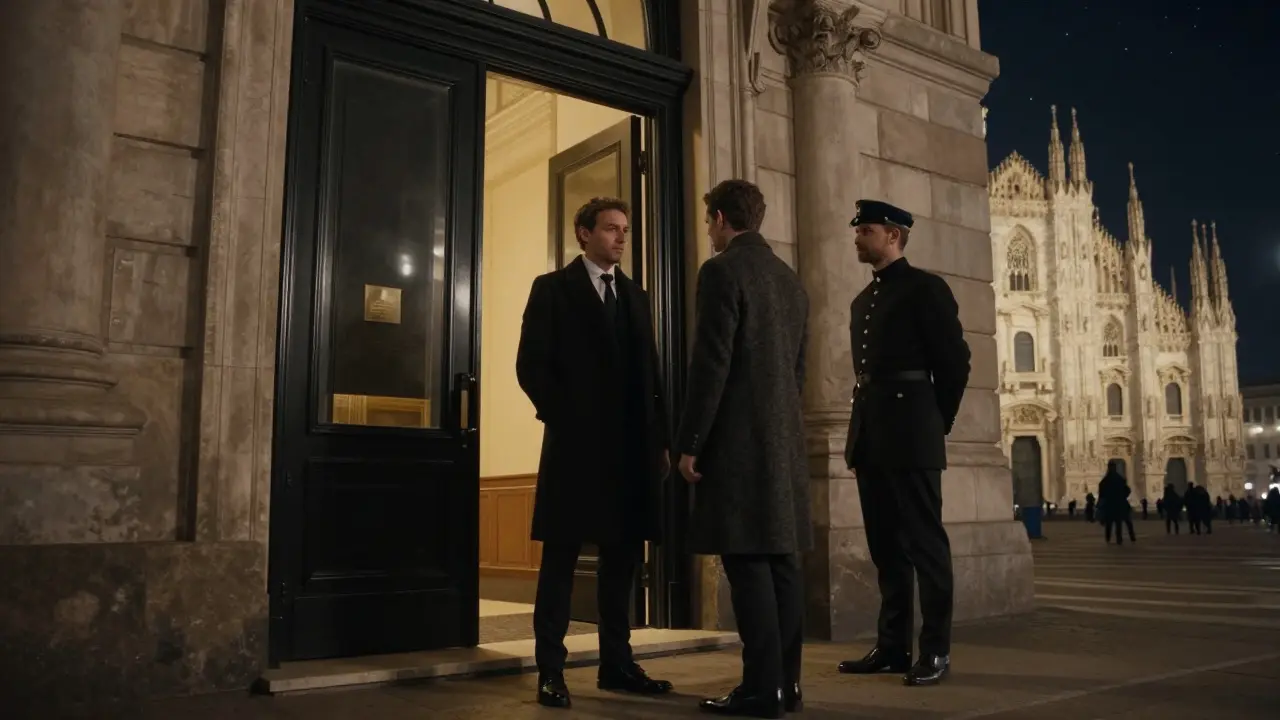
La Scala Club sits just behind the famous opera house. It’s small, exclusive, and only lets in 120 people per night. You don’t book a table-you get on a list. And you need a local connection. The music? Strictly Italian house and deep techno. No Top 40. No EDM. Just pure rhythm. The dress code is strict: black tie for men, cocktail dresses for women. It’s not for everyone, but if you’re in, you’re in.
For something wilder, head to Ex Dogana on the outskirts of the city. This is a warehouse party that changes location every weekend. You’ll get the address via WhatsApp at 6 p.m. on Friday. No website. No social media. Just a single line: "Meet at Porta Romana, 11 p.m." It’s chaotic, unpolished, and unforgettable. Bring cash. No cards accepted. The DJ? Usually someone who’s played at Berghain or fabric in London.
Drinks That Define the Night
Milan doesn’t just serve drinks-it invents them. The city’s cocktail culture is rooted in tradition, but it’s also constantly evolving.
The Aperol Spritz is everywhere, but don’t settle for the tourist version. At Caffè Cova, they use 40% Aperol, 60% Prosecco, and a splash of soda. Served in a wide tumbler with one ice cube. No orange slice. That’s the Milanese way.
For gin lovers, Bar Luce makes a Hendrick’s Gin Martini with lavender and cucumber that’s unlike anything you’ve had. It’s quiet, elegant, and perfect for a pre-club drink.
And then there’s the Negroni. The classic. The legend. At Bar Basso, they use 1:1:1 gin, Campari, and sweet vermouth. Stirred, not shaken. Served with a twist of orange peel. It’s the drink that made Milan famous.
What to Avoid
Not every place with a neon sign is worth your time.
Steer clear of the bars near Porta Garibaldi train station. They target tourists with overpriced cocktails and fake "Milanese" cocktails. A €12 Aperol Spritz here? That’s a scam. You can get the same thing in Brera for €8.
Don’t expect to walk into La Scala Club without a reservation or local recommendation. They don’t take walk-ins. And if someone tells you they can get you in for €50, they’re lying.
And skip the clubs that advertise "international DJs" on Instagram. In Milan, the best DJs are local. If they’re not from Lombardy, they’re probably just playing a playlist from Spotify.
When to Go
Milan’s nightlife follows a rhythm.
Wednesday is quiet. Good for trying out new bars without the crowds.
Thursday is when the locals start to move. Bars fill up. Music starts early. It’s the perfect night to explore.
Friday and Saturday are packed. Expect lines. Dress sharp. Book ahead if you’re heading to a club.
Sunday is the surprise. Many clubs stay open until 6 a.m. and host chill, low-key parties with jazz, soul, or deep house. It’s the best night to end your weekend.
And if you’re in town during Milan Fashion Week (late February and September), expect prices to double and venues to be reserved for industry insiders. Go anyway-but know you’re not just there for the drinks.
Getting Around After Dark
Milan’s metro shuts down at 1:30 a.m. After that, you’ve got three options: taxis, rideshares, or walking.
Taxis are reliable but expensive. A ride from Brera to Corso Como costs around €15. Use FreeNow (formerly MyTaxi) to book one. Cash is still widely accepted.
Rideshares like Uber are limited. Only a few private drivers operate here. Don’t rely on them.
Walking? It’s safe in the central districts. Brera to Corso Como is a 20-minute stroll. Just avoid the edges of Porta Venezia after 2 a.m. and don’t cut through empty alleys near the train station.
Final Tip: Speak the Language
Milanese nightlife isn’t just about where you go-it’s about how you act.
Don’t shout. Don’t take photos of the bar with your phone. Don’t ask for "American-style" drinks. The locals don’t do that.
Order with confidence. Say "Un Negroni, grazie." Not "Can I get a Negroni?"
And if you’re lucky enough to be invited to a private party? Don’t ask where it is. Don’t ask who’s coming. Just show up. That’s the Milanese way.
What’s the best time to visit Milan for nightlife?
The best time is late spring through early fall-May to September. The weather is warm, outdoor terraces are open, and festivals like the Milan Night Festival bring extra energy. Winter nights are still lively, but many outdoor spots close. Avoid February and September during Fashion Week unless you’re in the industry-venues are booked solid.
Do I need to dress up to go out in Milan?
Yes, but it depends on where you’re going. In Brera and casual bars, smart casual works. In Corso Como, La Scala Club, or upscale lounges, you need to look polished-no sneakers, no hoodies, no ripped jeans. Women: a dress or tailored pants. Men: a jacket or blazer. When in doubt, overdress. Milan notices.
Are there any free events at night in Milan?
Yes. Every Thursday night in Zona Tortona, several galleries open their doors for free art viewings with live music and drinks on the house. The event is called "Tortona Night" and runs from 7 p.m. to midnight. No ticket needed. Just show up. It’s one of the city’s best-kept secrets.
Can I find English-speaking bartenders in Milan?
In tourist-heavy areas like Corso Como, yes. But in Brera, Porta Venezia, and underground spots, most bartenders speak only Italian. That’s part of the charm. Learn a few phrases: "Un Aperol Spritz, per favore," "Quanto costa?" "Grazie." They’ll appreciate it. And you’ll get better service.
Is it safe to walk alone at night in Milan?
Generally, yes. The central districts-Brera, Navigli, Corso Como-are very safe. Avoid isolated streets near Porta Garibaldi or the train station after midnight. Stick to well-lit areas. Most locals walk home alone after midnight. Just don’t flash cash or expensive phones. As in any big city, stay aware.

Write a comment