When the sun goes down in Milan, the city doesn’t sleep-it switches gears. Forget the quiet, elegant image you might associate with Italy’s fashion capital. By night, Milan transforms into a pulsing, stylish, and wildly diverse party scene that pulls in locals, tourists, and clubbers from across Europe. This isn’t just about drinking. It’s about fashion, music, art, and the kind of energy you only get when a city knows how to do nightlife right.
Where the locals go after dark
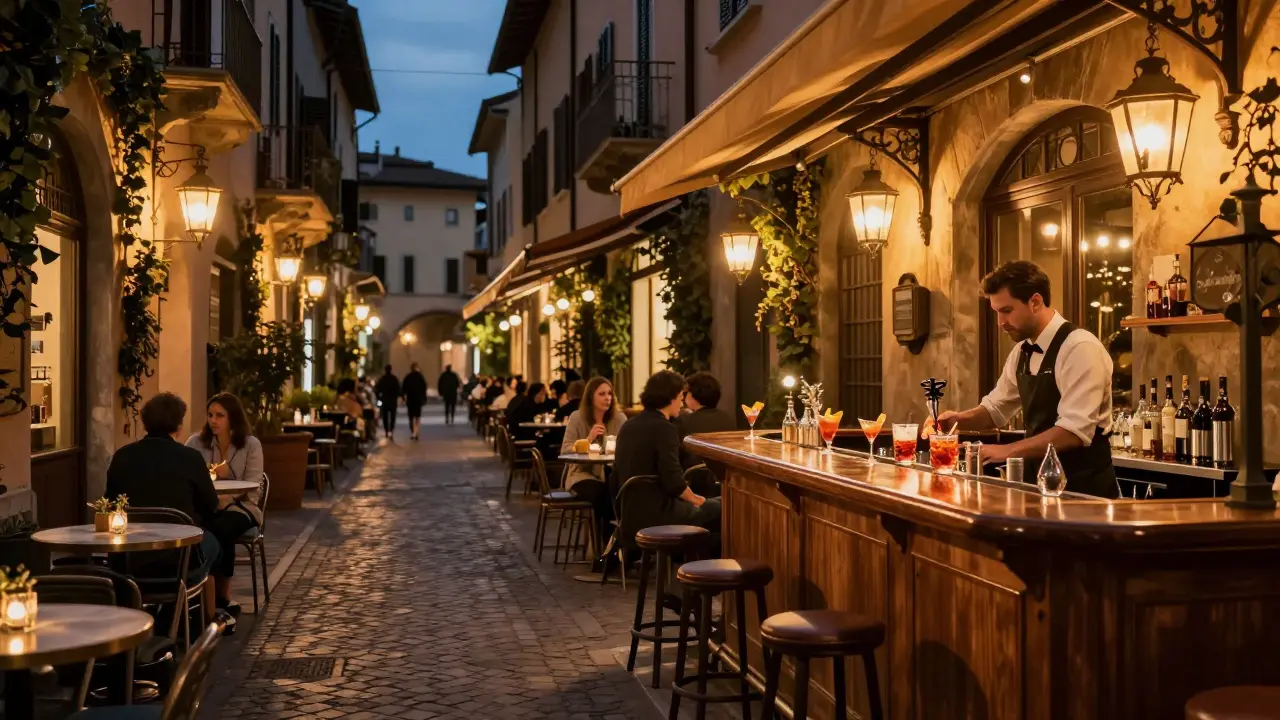
If you want to experience Milan’s real nightlife, skip the tourist traps. The real action starts in Brera, the city’s bohemian heart. Here, narrow cobblestone streets turn into open-air lounges. Bars like Bar Basso have been serving classic cocktails since 1956. Their Negroni Sbagliato isn’t just famous-it’s legendary. Order one, sit at the bar, and watch the mixologists work like artists. Locals don’t come here to show off. They come because it’s perfect.
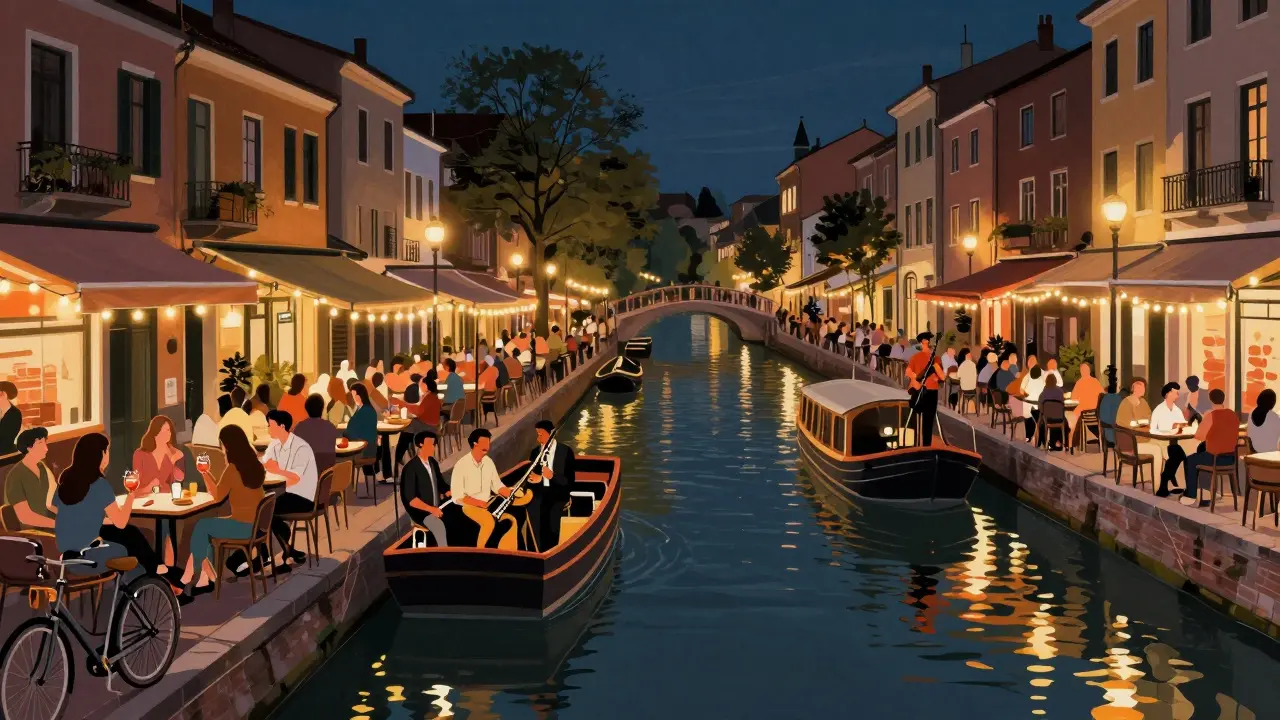
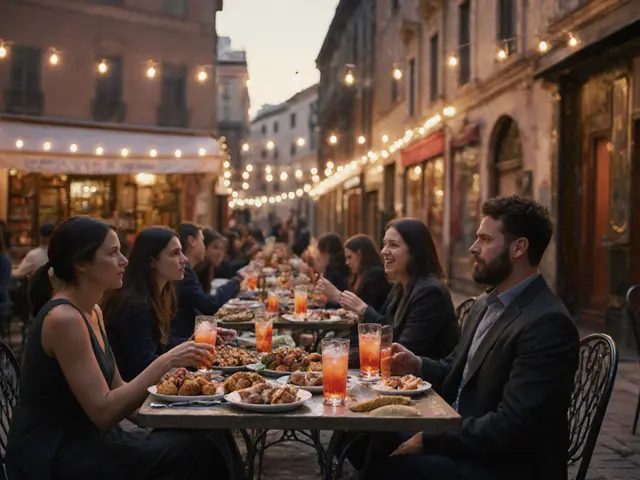
Just a few blocks away, Navigli becomes the weekend escape. This canal-side district isn’t one club-it’s dozens. Row after row of outdoor terraces, live jazz, DJs spinning Italian disco, and cheap Aperol spritzes under string lights. On Fridays, the canals fill with people walking from bar to bar. No one rushes. No one checks their watch. It’s a slow, buzzing crawl that lasts until 3 a.m.
The club scene: From underground to elite
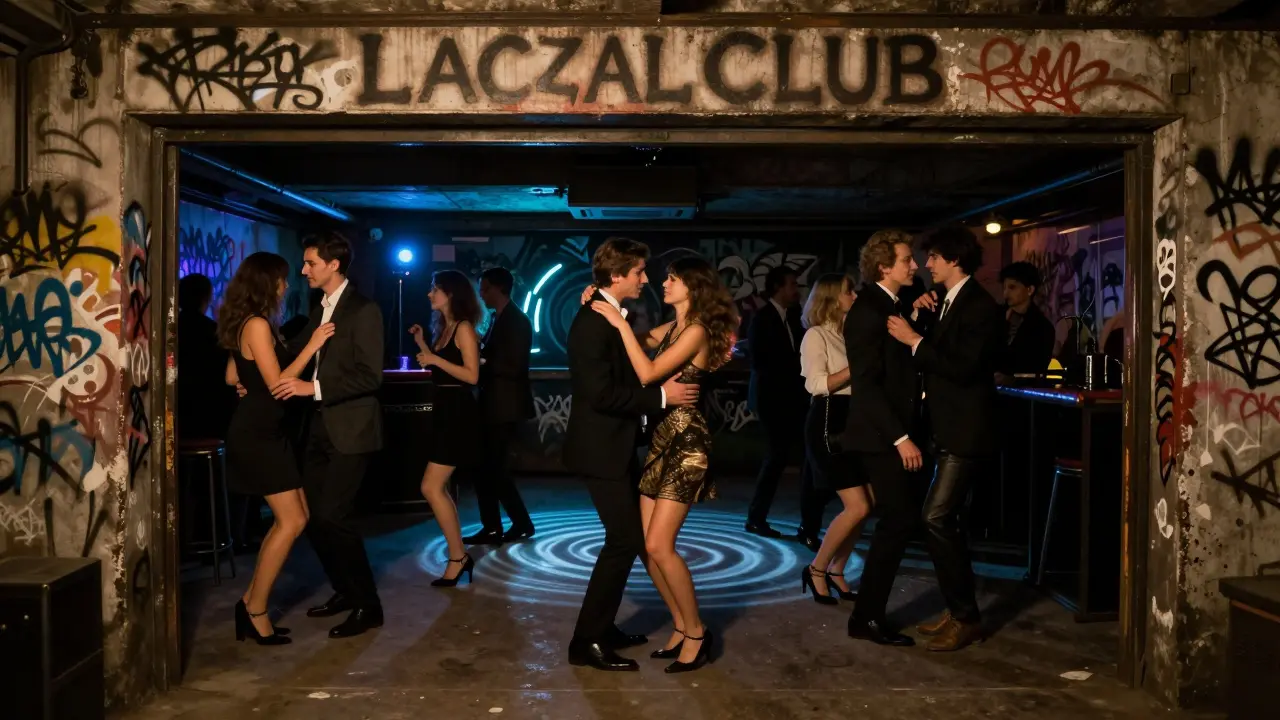
Milan’s clubs aren’t just venues-they’re experiences. If you’re into electronic music, La Scala Club is your spot. Don’t confuse it with the opera house. This one’s hidden under a railway bridge, past a graffiti-covered door. The sound system is built by engineers who work with touring DJs. The crowd? Designers, musicians, and collectors who treat clubbing like a cultural ritual. You won’t find bottle service here. Just pure bass, dim lighting, and a vibe that feels like a secret.
For high-end glamour, head to Le Jardin in the Porta Venezia district. Think velvet couches, champagne fountains, and a dress code that’s strictly enforced. You’ll see models, influencers, and Milanese aristocrats who’ve been coming here since the 90s. The music? A mix of house, deep techno, and rare 80s Italo-disco. Entry isn’t cheap-€25 on weekends-but it’s worth it if you want to see Milan’s elite in their natural habitat.
Hidden gems and unexpected spots
Not every great night out needs a bouncer or a velvet rope. Some of the best moments happen in places you won’t find on Instagram. Bar Longo in the Zona Tortona neighborhood opens at 10 p.m. and doesn’t close until sunrise. It’s a converted warehouse with mismatched chairs, a vinyl-only sound system, and a bartender who remembers your name after one visit. No menu. Just ask what’s good tonight.
Then there’s Teatro degli Orrori, a tiny basement bar in the Isola district. It looks like a horror movie set-cobwebbed chandeliers, red velvet curtains, and a wall covered in old movie posters. The DJs here play everything from punk to Afrobeat. It’s chaotic. It’s loud. And it’s the most authentic place in the city for people who hate clichés.
What to wear-and what not to
Milanese nightlife has rules. Not written ones. Just understood. You don’t need to wear a suit. But you can’t show up in sneakers and a hoodie. The standard? Tailored jeans, a sharp shirt, and leather shoes. Even women in ripped jeans pair them with structured blazers or silk tops. It’s not about being rich. It’s about being intentional.
Clubs like Le Jardin or D’Vine will turn you away if you’re too casual. But in Navigli or Brera? Flip-flops are fine. The vibe changes block by block. When in doubt, dress like you’re going to a gallery opening-not a concert.
When to go out
Milan doesn’t start late. Most bars open at 8 p.m. By 10, the streets are full. Clubs don’t get busy until midnight. The real party hits after 1 a.m. and runs until 4 or 5. If you’re still awake at 6 a.m., you’ll find people on the canals in Navigli drinking espresso and eating panzerotti from a food truck.
Weekends are packed. Fridays are for Navigli. Saturdays are for the big clubs. Sundays? Quiet. But some bars, like Bar del Teatro, host live jazz from 8 p.m. to midnight. It’s the perfect way to wind down.
Drinks you can’t skip
You’ll see Aperol spritz everywhere. But don’t stop there. Try the Amaro Sibilla-a bitter herbal liqueur served chilled with an orange twist. It’s the local digestif. At Bar Basso, order a Champagne Cocktail made with gin, vermouth, and a drop of absinthe. It’s been on the menu since 1972.
For something local and unexpected, ask for a Grappa Caffè: a shot of grappa poured over espresso. It’s strong, warm, and the perfect end to a long night.
How to get around
Milan’s metro runs until 1:30 a.m. After that, you’re on your own. Taxis are easy to find, but Uber doesn’t work here. Use the FreeNow app-it’s local, reliable, and cheaper than cabs. Many clubs offer free shuttle buses after midnight. Check their websites before you go.
Walking is safe in the main districts, but avoid the outskirts after dark. Stick to Brera, Navigli, Porta Venezia, and Isola. Those are the zones where the energy stays alive.
What to expect in 2026
This year, Milan’s nightlife got even more experimental. New venues like Atelier 19 opened in a former textile factory, blending art installations with live sets. Others, like Bar Luce (inspired by a Wes Anderson film), now host silent disco nights once a month. The city is investing in late-night culture-extended hours, music festivals on the canals, and even pop-up rooftop bars on top of historic buildings.
One thing won’t change: Milan’s nightlife isn’t about loudness. It’s about style, rhythm, and the quiet confidence of people who know how to enjoy the night without trying too hard.
What’s the best night to go out in Milan?
Friday is for Navigli’s canal-side bars and casual vibes. Saturday is when the big clubs like Le Jardin and La Scala Club hit their peak. Sunday nights are quieter but offer unique experiences like jazz at Bar del Teatro. If you want the full range, plan for Friday and Saturday.
Is Milan nightlife expensive?
It depends. In Brera and Navigli, you can have a cocktail for €8 and a meal for €15. But in upscale clubs like Le Jardin, cover charges start at €25, and drinks can cost €15-€20. The good news? You don’t need to spend big to have a great night. Many hidden bars charge €5 for a drink and let you stay until sunrise.
Do I need to make reservations?
For most bars and casual spots, no. But for clubs like La Scala Club or Le Jardin, especially on weekends, booking ahead is smart. Some even require a guest list. Check their Instagram or website-most post entry rules and reservation links.
Is it safe to walk around at night?
Yes, in the main nightlife districts-Brera, Navigli, Porta Venezia, and Isola. These areas are well-lit, patrolled, and full of people. Avoid walking alone in areas like Lambrate or Garibaldi after midnight unless you know the neighborhood. Stick to the crowds. You’ll be fine.
What time do places close?
Bars in Brera and Navigli often stay open until 3 or 4 a.m. Clubs usually close at 4 a.m., but some, like Bar Longo, run until 6 or 7. The metro stops at 1:30 a.m., so plan your ride home. Many clubs offer free shuttles back to major stations after closing.



Write a comment