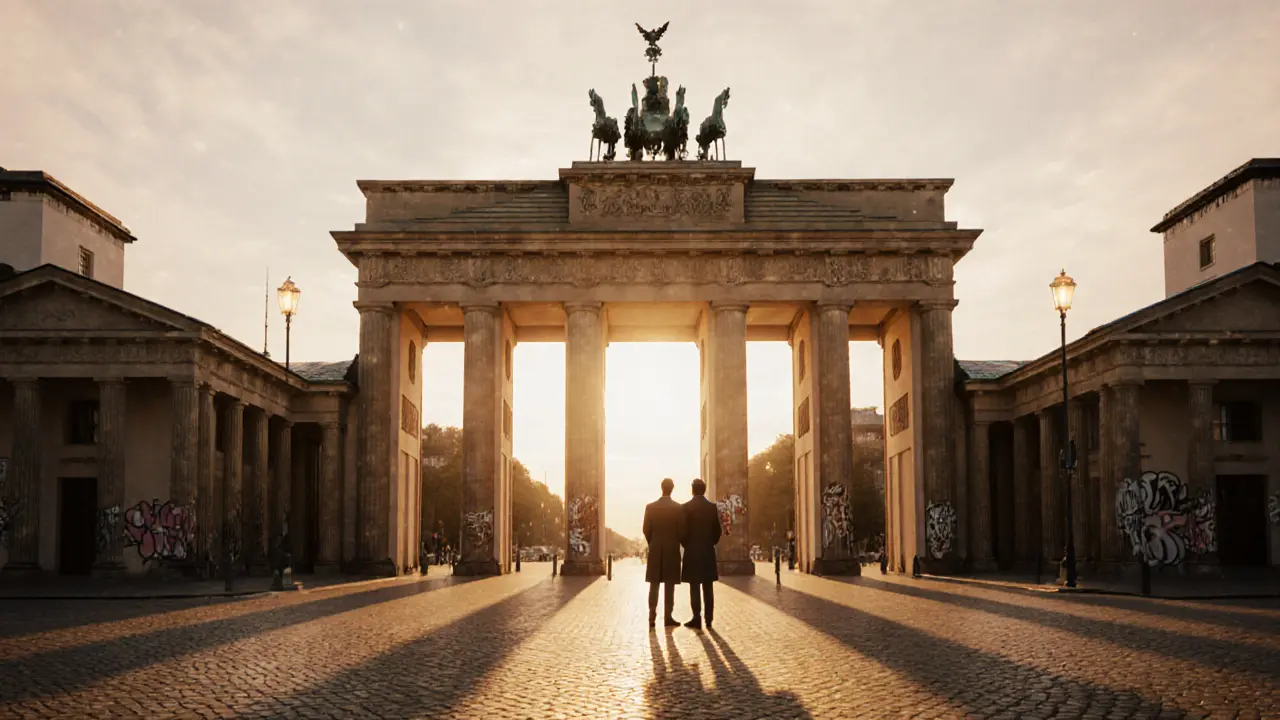
Berlin doesn’t just have museums and street art-it has rhythm. The way the light hits the Brandenburg Gate at sunset, the quiet hum of a jazz club in Kreuzberg after midnight, the smell of fresh pretzels drifting from a corner bakery near Museum Island-these aren’t just sights. They’re moments. And experiencing them with someone who knows the city’s soul makes all the difference.
Why a Sophisticated Companion Changes the Way You See Berlin
Most tourists rush through the Topography of Terror, snap a photo at the Berlin Wall, then head straight to the nearest currywurst stand. But Berlin isn’t a checklist. It’s a layered story-of division, rebirth, creativity, and quiet resilience. A skilled companion doesn’t just show you places. They connect you to the hidden threads between them.
Imagine walking through the East Side Gallery not as a tourist, but as someone who hears the stories behind each mural-the artist who painted it after the Wall fell, the political statement hidden in the colors, the local kids who still leave flowers at the spot where their grandfather was shot. That’s not in the guidebook. That’s knowledge passed through experience.
Companionship here isn’t about romance. It’s about presence. Someone who knows where the best black-and-white photography exhibit is hiding this week, who can whisper which café has the only original 1970s Berliner Weisse on tap, or who knows the exact bench where the last meeting between Bowie and Iggy Pop happened before they recorded Heroes just down the street.
Where to Go: Berlin’s Hidden Cultural Gems
Let’s skip the crowded queues. Here’s where the real culture lives:
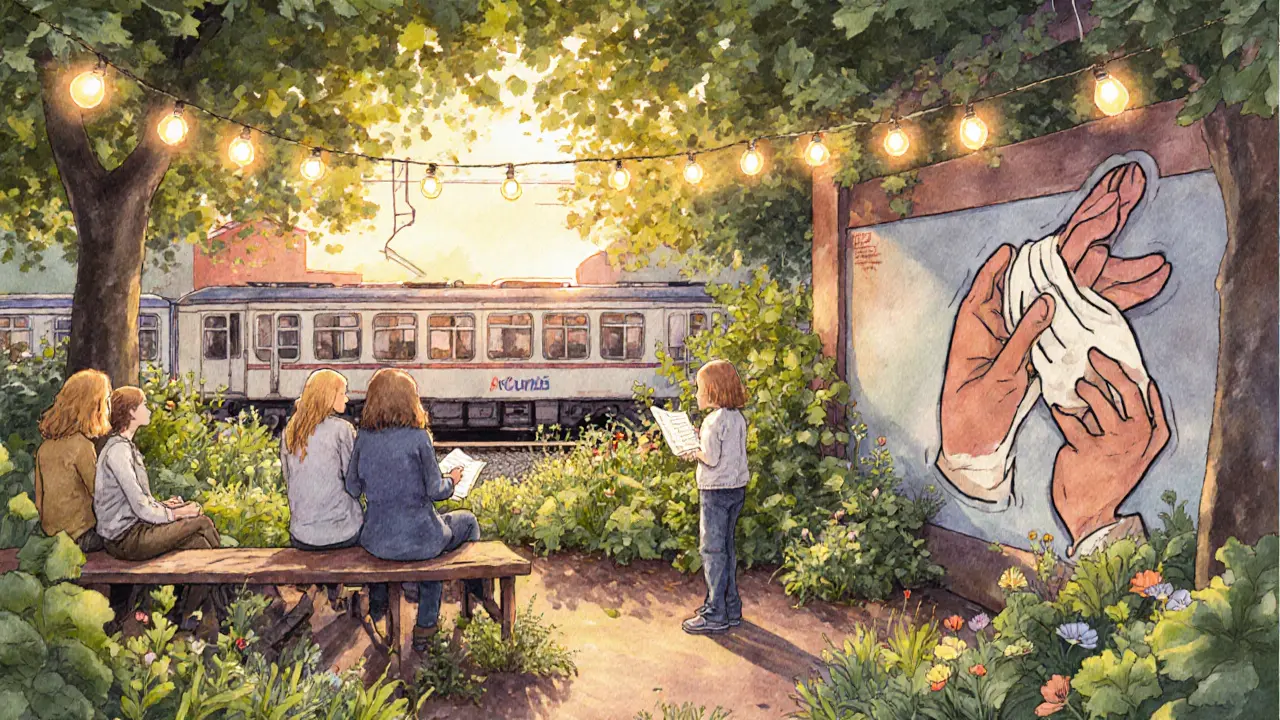
- Prinzessinnengärten-a community garden tucked behind a train station in Kreuzberg. It’s not just plants. It’s a living art installation where locals grow food, host poetry readings, and host open-air film nights under string lights. No entry fee. Just show up.
- St. Elisabeth-Kirche-a forgotten 18th-century church in Mitte, now a space for experimental sound installations. The acoustics are perfect for solo cello pieces. You’ll often find one playing at dusk, echoing through the stone arches.
- Der Blaue Reiter Archive-a private collection in a converted 1920s warehouse. It holds original works by Kandinsky and Marc, but only open by appointment. A knowledgeable companion knows how to get you in.
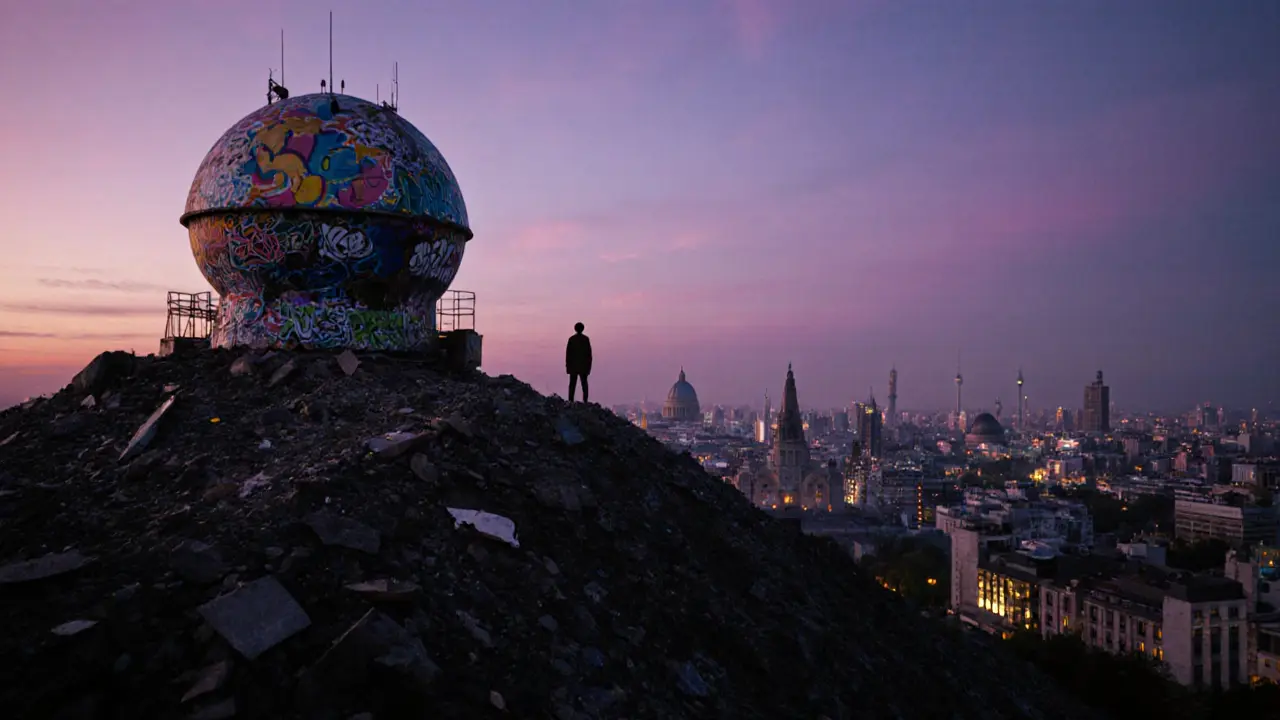
- Teufelsberg-an abandoned Cold War listening station on a hill made of crushed Berlin rubble. Graffiti covers every surface, but the real magic is the silence. From the top, you see the whole city-and feel how quiet it’s become since the Wall came down.
How to Navigate Berlin’s Art Scene Like a Local
Berlin’s art scene isn’t in galleries. It’s in alleyways, basements, and abandoned factories. The city has over 300 independent art spaces, most never listed on tourist maps.
On a Thursday night, you might find yourself in a former slaughterhouse in Neukölln, sipping wine while a collective of Berlin-based filmmakers screens their latest experimental short. No tickets. No RSVP. Just a whispered address and a nod at the door.
Companions who know the scene understand timing. The Berlin Biennale runs every two years, but the real energy is in the off-season pop-ups-artist-run cafes, basement book swaps, and midnight poetry slams in the back rooms of bookstores like Buchhandlung Walther König.
And if you want to see what Berlin’s next generation of creators are doing? Head to RAW-Gelände on a Sunday afternoon. It’s not a gallery. It’s a sprawling complex of warehouses where young artists sell handmade ceramics, silk-screened posters, and handmade leather journals. No branding. No logos. Just raw talent.
Food as Culture: Beyond Currywurst
Berlin’s food scene is a mirror of its history. Turkish immigrants brought döner kebabs. Vietnamese refugees opened pho shops in the 1980s. Now, chefs are reimagining East German staples like Rotkohl mit Klösse with modern techniques.
Forget the tourist traps near Alexanderplatz. A sophisticated companion will take you to:
- Markthalle Neun-on Thursday nights, it becomes Street Food Thursday. Try the smoked eel on rye from a family that’s been smoking fish in Prenzlauer Berg since 1967.
- La Palma-a tiny Sicilian bakery in Charlottenburg. Their cannoli are filled with ricotta made daily. The owner, now in her 80s, still kneads the dough herself.
- Yard-a hidden rooftop garden in Friedrichshain. They serve seasonal dishes grown on-site, paired with local craft beers. No menu. You get what’s fresh.
These aren’t restaurants. They’re personal rituals. And they’re only revealed to those who ask the right questions.
The Unspoken Rules of Berlin Companionship
There’s no script here. No velvet ropes. No fixed prices posted online. Berlin’s culture of companionship is built on discretion, mutual respect, and quiet elegance.
What makes a companion sophisticated? Not how they dress. Not where they’ve been. It’s how they listen. They don’t talk over your silence. They don’t push you to like what they like. They notice when you linger at a particular mural, then quietly mention the artist’s name. They let you decide when to move on.
They know that Berliners value authenticity over performance. A good companion doesn’t act like a tour guide. They act like a friend who just happens to know where the best coffee is, who’s playing at the underground club tonight, and which museum has the only original Egon Schiele drawing on loan this month.
And they never rush. Berlin moves at its own pace. You can spend two hours in the Jewish Museum just staring at the voids in the architecture. Or sit in the Tiergarten for an hour watching pigeons gather around a woman feeding them stale bread. A companion understands that these moments aren’t wasted time-they’re the heart of the experience.
When to Visit: Timing Matters
Spring and fall are ideal. The crowds are thin. The light is soft. Museums aren’t packed. The air smells like damp earth and woodsmoke.
Winter? It’s quiet. The Christmas markets are beautiful, but they’re tourist magnets. If you go in December, you’ll miss the real Berlin-the one that emerges in January, when the city exhales and returns to its quiet, creative self.
Summer is hot and crowded. But if you go in July, a skilled companion will know to avoid the crowds at the Reichstag and instead take you to the Tempelhofer Feld-a former airport turned public park. You can bike past abandoned runways, picnic under the old control tower, and watch the sunset paint the sky over the city’s skyline.
What to Expect: No Surprises, Just Depth
This isn’t a fantasy. It’s a real, grounded experience. There are no hidden agendas. No pressure. No expectations beyond shared curiosity.
You’ll walk. You’ll talk. You’ll sit. You’ll taste. You’ll listen.
You’ll leave with more than photos. You’ll leave with a deeper sense of place. A memory of standing in front of a 1930s Bauhaus building, hearing the story of the architect who fled Nazi Germany-and how his son returned to Berlin 70 years later to restore it.
That’s the value. Not the company. The connection.
Is this service legal in Berlin?
Yes. Companionship that involves social interaction, cultural guidance, and personal presence is fully legal in Berlin. The city has a long-standing tradition of personal services rooted in mutual respect and discretion. As long as the interaction remains non-sexual and consensual, it falls under the category of personal companionship, which is protected under German civil law. Many professionals in this field are licensed as cultural consultants or private guides.
How do I find a reputable companion in Berlin?
Reputable companions are typically introduced through trusted networks-luxury concierge services, high-end hotels like the Hotel Adlon or the Hotel de Rome, or curated platforms that vet profiles for professionalism, discretion, and cultural knowledge. Look for individuals with verified experience in art history, urban studies, or hospitality. Avoid services that use suggestive imagery or vague language. Legitimate providers focus on expertise, not fantasy.
How much does this cost?
Rates vary based on experience, duration, and itinerary. A four-hour cultural tour with a well-established companion typically ranges from €300 to €600. Longer engagements or multi-day experiences may be arranged at a custom rate. This includes personalized planning, transportation coordination, and access to exclusive venues. It’s not a price for company-it’s an investment in curated experience.
Can I book a companion for a specific museum or event?
Absolutely. Many companions specialize in particular areas-modern art, Cold War history, music, or architecture. You can request a guide with expertise in the Pergamon Museum’s ancient collections, or someone who can arrange private access to the Berlin Philharmonic’s archives. Some even coordinate behind-the-scenes tours of the Berlin State Opera or the Deutsche Guggenheim.
Is this only for couples or solo travelers?
This service is for anyone seeking a deeper connection to Berlin-whether you’re traveling alone, with a partner, or in a small group. The focus is on meaningful engagement, not relationship status. Many solo travelers use this service to explore the city safely and thoughtfully. Groups of up to four are commonly accommodated with tailored itineraries.
Berlin doesn’t reveal itself to those who rush. It waits. It watches. It lets you find it-slowly, quietly, on your own terms. And sometimes, all you need is someone who’s already been there, who knows where to look, and who won’t rush you when you finally see it.







Write a comment