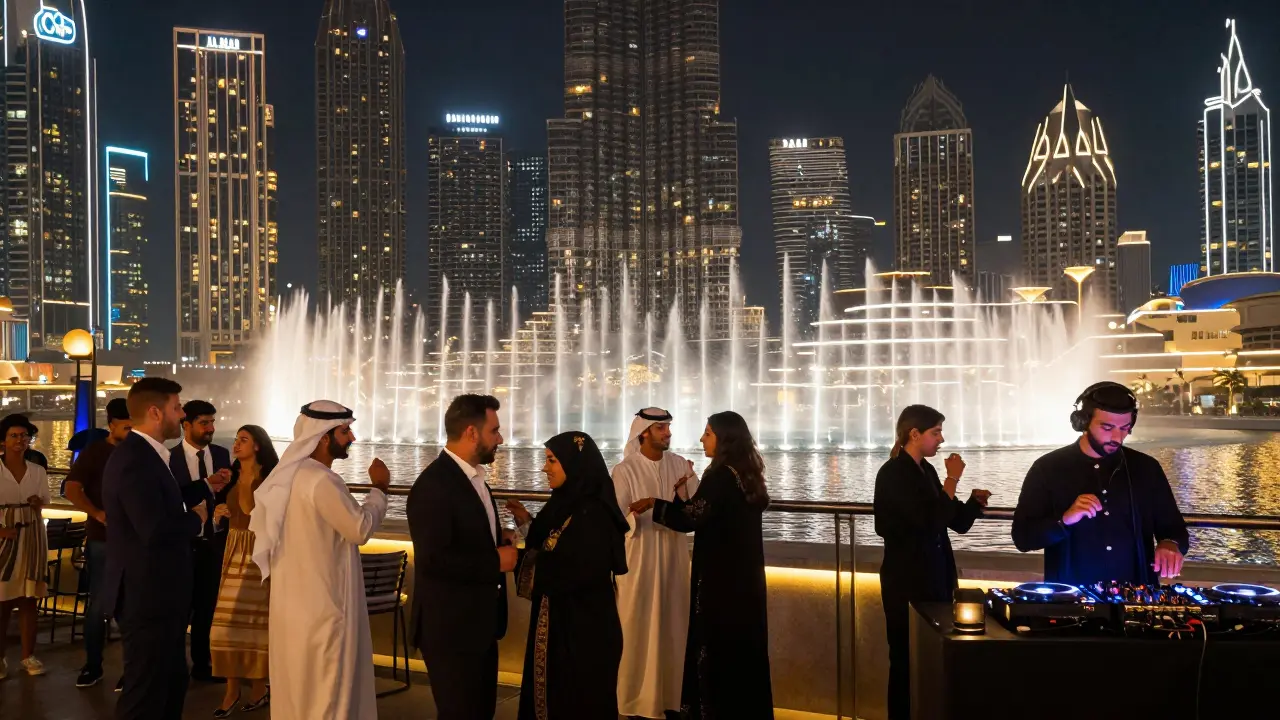
Dubai doesn’t just glow at night-it pulses. The city’s skyline turns into a neon river after sundown, but what really sets it apart isn’t the glitter. It’s the noise. The drumbeats from a Lebanese oud blending with Afrobeat basslines. The smell of shisha drifting past a rooftop bar where a DJ spins Persian house music. This isn’t just a party scene. It’s a living archive of cultures, stitched together by rhythm, flavor, and freedom.
Where the World Comes to Dance
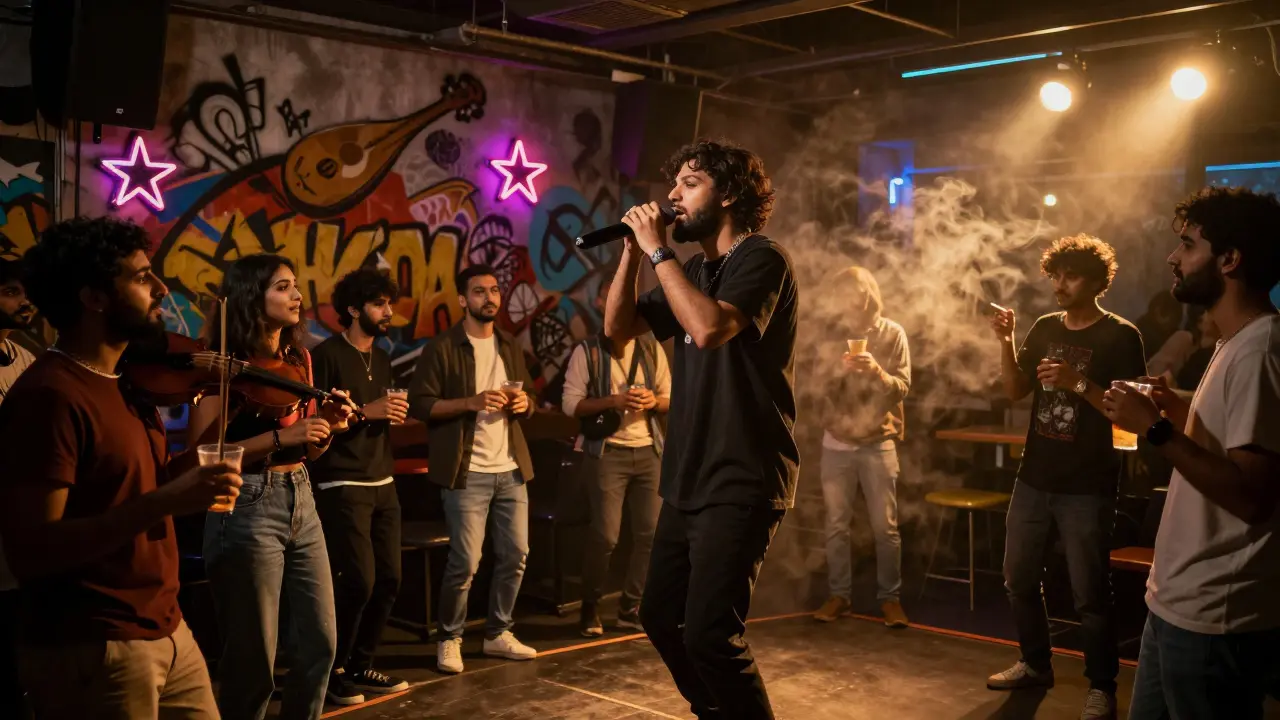
Dubai’s nightlife isn’t one scene. It’s dozens, stacked on top of each other like layers in a cake. In Downtown, you’ll find sleek lounges where Russian billionaires sip champagne beside British expats debating the latest Formula 1 race. Just a few blocks away, in Alserkal Avenue, underground venues host Arabic trap nights with artists from Jordan and Egypt. The crowd? A mix of Emirati youth in designer abayas, Indian students in sneakers, and Australian backpackers with sunburnt shoulders.
There’s no single rulebook here. One night, you might be dancing to Bollywood remixes at Skyview Bar, the next sipping mint tea at a quiet rooftop in Jumeirah while a Tunisian violinist plays classical Andalusian tunes. The city doesn’t force a uniform vibe-it lets cultures collide, and the result? Something louder, richer, and more unpredictable than any single country’s nightlife could offer.
Music That Crosses Borders
Forget the idea that Dubai only plays Western pop. The city’s clubs are sonic melting pots. At White Dubai, the playlist might jump from French house to Emirati khaleeji beats. At Cielo, you’ll hear deep techno mixed with samples of traditional Oud melodies. Even the most mainstream spots like Level 43 don’t just play chart-toppers-they remix them with regional instruments.
This isn’t accidental. Club owners hire DJs from Nigeria, South Korea, Brazil, and Lebanon because they know the crowd craves variety. A study by the Dubai Culture Authority in 2024 found that 68% of nightlife visitors said they chose their venue based on the music genre, not the brand. That’s rare. Most cities pick a sound and stick to it. Dubai picks ten and lets them overlap.
Food That Tells a Story
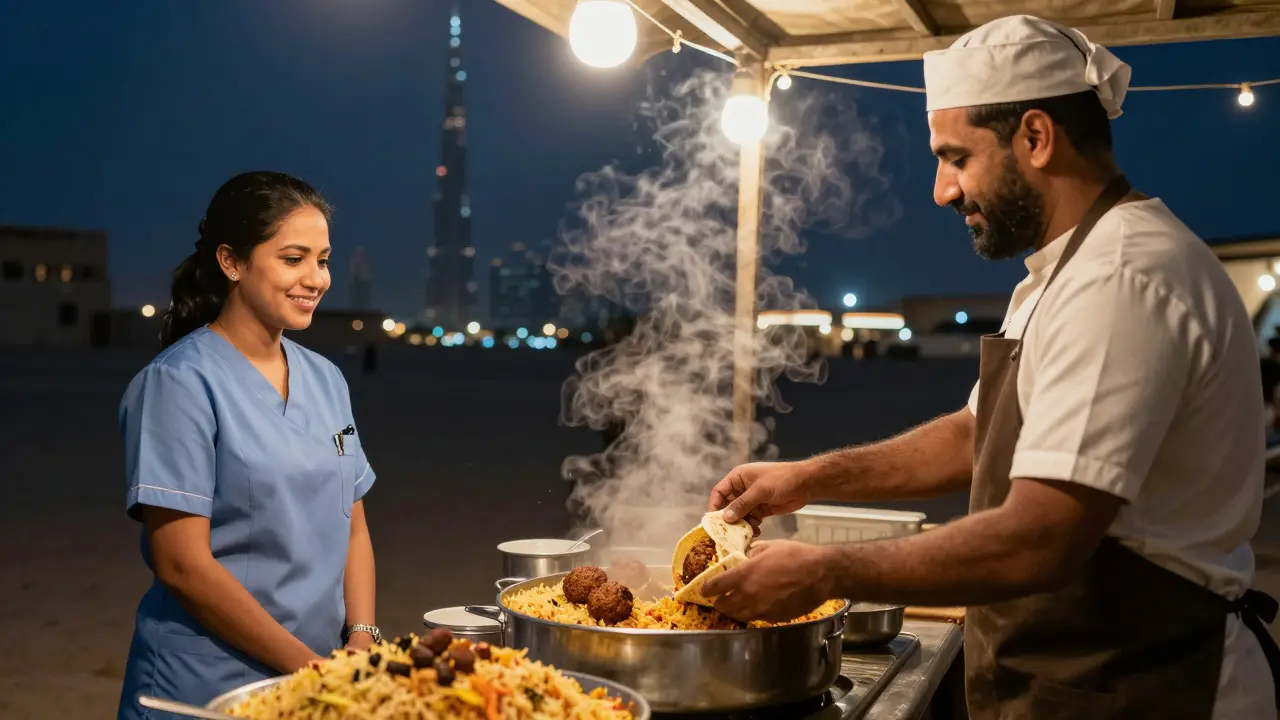
Nightlife in Dubai doesn’t end at the dance floor. It spills into late-night eateries where you can grab a falafel wrap from a Syrian vendor, then walk five minutes to a Korean BBQ joint with a line out the door. At Al Dhiyafah Street in Al Barsha, food trucks stay open until 3 a.m., serving everything from Emirati harees to Filipino sisig.
Some places combine cultures on one plate. At The Penthouse, you’ll find sushi rolls topped with za’atar and truffle oil. At Al Fanar, a Lebanese restaurant with a hidden basement lounge, they serve arak cocktails alongside midnight shawarma platters. It’s not fusion for the sake of trend-it’s what happens when people from 200+ nationalities live side by side and start sharing meals after hours.
Rules That Make It Work
Dubai’s nightlife doesn’t feel chaotic because it’s tightly managed. Alcohol is served only in licensed venues-hotels, clubs, and private members’ lounges. No street drinking. No open containers. No chaos. But here’s the twist: the rules don’t kill the vibe. They shape it.
Because you can’t just wander in with a bottle, people plan. They dress up. They book tables. They treat nights out like events, not afterthoughts. That means the energy stays high. The music stays loud. The crowd stays focused. You don’t get drunk tourists vomiting on the sidewalk-you get people dancing in silk kanduras next to women in sequined dresses, all moving to the same beat.
The city also enforces quiet hours after 2 a.m. in residential zones. So clubs in Jumeirah and Palm Jumeirah have to be soundproofed. The result? You hear the music inside, but not outside. The peace isn’t broken. The party isn’t stopped. It’s just contained-like a firework that explodes in perfect silence, then leaves only glitter behind.
Who’s Really Out There?
Don’t picture Dubai nightlife as just rich tourists and expats. The real heartbeat comes from locals. Emirati millennials are the fastest-growing group in nightclubs. They’re not just showing up-they’re running them. A 2025 survey by the Dubai Tourism Board found that 42% of new nightlife venues were started by Emirati entrepreneurs under 35.
These aren’t the same people your grandparents knew. They’re DJs, graphic designers, startup founders. They host poetry slams in rooftop gardens. They throw pop-up art galleries in abandoned warehouses. They mix traditional Arabic poetry with electronic beats and call it “Desert Future.”
And they’re not alone. Indian families from Dubai’s expat community come out on weekends to celebrate Diwali with live dhol drums and street food stalls. Filipino nurses off shift gather at karaoke bars in Deira. Pakistani chefs open late-night biryani stalls near the metro stations. Everyone has a corner. Everyone has a voice.
What You Won’t Find
Dubai doesn’t have seedy alleyways or 24-hour strip clubs. You won’t find neon signs advertising cheap shots or loud bouncers yelling at people outside clubs. There’s no gritty underbelly because the city chose a different path: elegance without emptiness, control without coldness.
That means no wild raves in the desert (they’re banned). No illegal after-hours speakeasies (they get shut down fast). No public drunkenness. No violence. The nightlife is curated, not chaotic. And that’s exactly why it works.
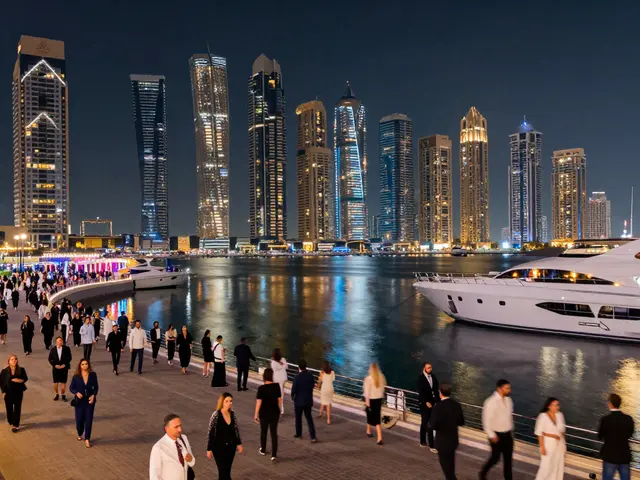
People come here not to escape rules-but to experience freedom within them. You can dance until 4 a.m. in a 50-story tower with a view of the Burj Khalifa, and still walk home safely at 5 a.m. with your phone in your pocket and your dignity intact.
Where to Start
If you’re new to Dubai’s night scene, here’s where to go:
- Level 43 in the Address Downtown: Rooftop bar with panoramic views and a mix of global DJs.
- White Dubai at Jumeirah Beach: High-energy club with themed nights from Arabic to Afrobeat.
- Alserkal Avenue in Al Quoz: Underground art spaces with live music and indie performances.
- The Penthouse at Jumeirah Al Naseem: Upscale lounge with fusion cuisine and quiet jazz nights.
- Al Dhiyafah Street in Al Barsha: Late-night food hub with street vendors from across Asia and the Middle East.
Don’t try to do it all in one night. Pick one vibe. Stay late. Talk to someone. Ask them where they’re from. You’ll learn more from a 10-minute conversation with a Moroccan bartender than from any guidebook.
It’s Not Just a Party
Dubai’s nightlife isn’t about showing off. It’s about connection. It’s the sound of a Syrian refugee playing the ney flute in a basement club, and a Canadian tourist learning to dance to it. It’s the Indian chef who stayed open till 3 a.m. just to feed a group of stranded travelers. It’s the Emirati girl who started a weekly poetry night because she missed the old storytelling traditions of her grandmother.
This is the real magic. In a city built on sand and ambition, the night became the one place where borders didn’t matter. Where music, food, and movement became the common language. You don’t just experience Dubai’s nightlife. You become part of it.
Is Dubai nightlife safe for solo travelers?
Yes. Dubai has one of the lowest crime rates in the world, and nightlife areas are heavily monitored. Solo travelers, including women, can walk around safely at night. Most clubs have security staff, and ride-sharing apps like Careem are widely available. Just stick to licensed venues and avoid unmarked alleys.
Can I drink alcohol in Dubai nightclubs?
Yes, but only in licensed venues like hotels, clubs, and private lounges. You must be 21 or older. Alcohol is not allowed on public streets or in unlicensed areas. Many venues require ID checks at the door. Non-Muslim visitors can drink without issue as long as they follow local rules.
Do I need to dress a certain way?
In clubs and lounges, smart casual is the norm. No flip-flops, shorts, or tank tops at most upscale spots. Women don’t need to cover their heads, but modest attire is appreciated. In more relaxed areas like Alserkal Avenue, you can wear jeans and a t-shirt. When in doubt, dress to impress-it’s part of the culture.
Are there any quiet nightlife options in Dubai?
Absolutely. Rooftop lounges like The Penthouse and 1913 in Al Quoz offer low-light settings with jazz, acoustic sets, or live poetry. Some hotels host silent disco nights or tea ceremonies with oud music. If you want to avoid crowds, head to Alserkal Avenue on a weekday evening-art galleries and small venues stay open late with minimal noise.
What’s the best time to experience Dubai’s nightlife?
Weekends (Friday and Saturday) are the busiest, with the most events and DJs. But if you want a more local vibe, go on a Thursday night. That’s when Emirati families and young professionals start heading out. Weekdays are quieter, perfect for trying new spots without the crowds. Most venues open around 9 p.m. and get busy after midnight.
If you’re planning a trip, don’t just check the top 10 clubs. Ask a local where they go after work. You’ll find the real Dubai-not the postcard version, but the one that hums under the neon lights, long after the tourists have gone home.





Write a comment